
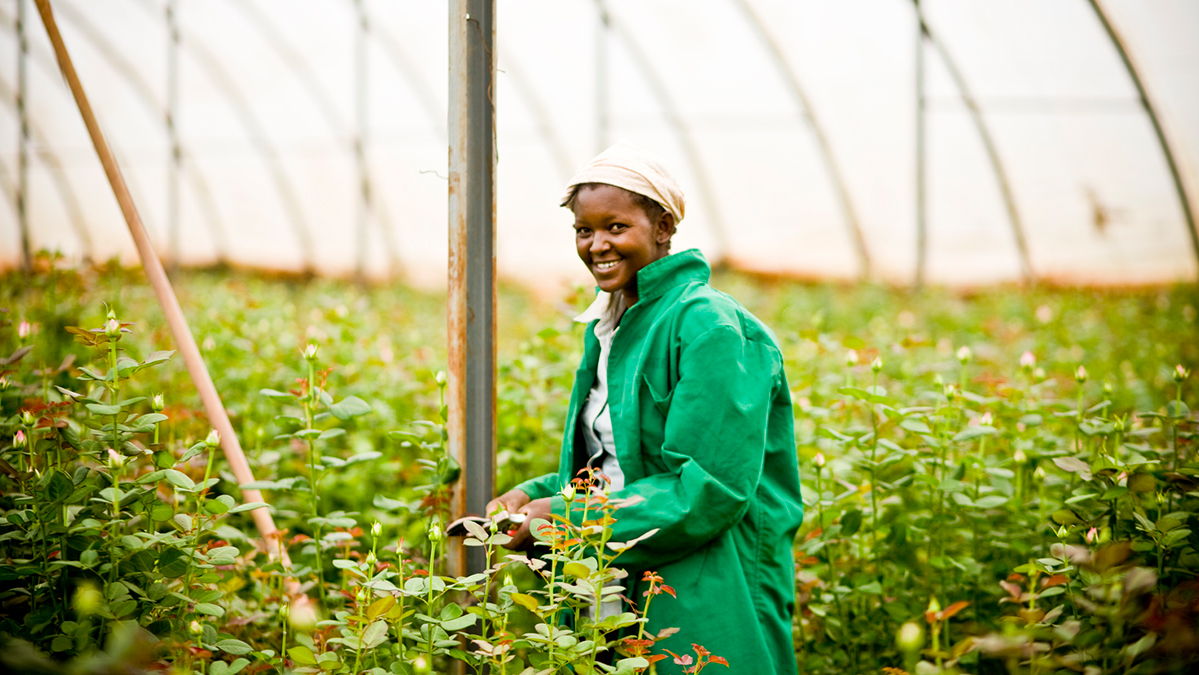
The Importance of Agriculture Education Courses
As the world faces increasing challenges in food security, environmental sustainability, and climate change, the role of agriculture education courses has never been more crucial. These courses play a vital role in equipping individuals with the knowledge and skills needed to address complex agricultural issues and drive innovation in the industry.
Benefits of Agriculture Education Courses
Knowledge Expansion: Agriculture education courses provide students with a comprehensive understanding of various aspects of farming, including crop cultivation, livestock management, sustainable practices, and agribusiness.
Skill Development: Students enrolled in agriculture education courses have the opportunity to develop practical skills such as soil analysis, pest management, irrigation techniques, and farm machinery operation.
Sustainability Focus: Many agriculture education courses emphasise sustainable farming practices that promote environmental conservation, biodiversity preservation, and resource efficiency.
The Future of Agriculture Education
With advancements in technology and changing global demands, agriculture education is evolving to meet the needs of a rapidly changing industry. Modern agriculture education courses incorporate topics such as precision farming, digital agriculture, biotechnology, and agri-entrepreneurship to prepare students for the future.
Career Opportunities in Agriculture
Graduates of agriculture education courses have a wide range of career opportunities available to them. They can pursue roles in farm management, agricultural research, agribusiness consulting, food processing industries, agricultural extension services, government agencies related to agriculture and rural development among others.
In Conclusion
Agriculture education courses are essential for cultivating a new generation of skilled professionals who can address the challenges facing the agricultural sector today. By investing in quality education and training programmes in agriculture we can create a more sustainable future for food production and environmental stewardship.
9 Essential Tips for Choosing the Right Agriculture Education Course in the UK
- Choose a course that aligns with your interests in agriculture, such as crop production, animal husbandry, or agricultural economics.
- Look for courses that offer practical hands-on experience in addition to theoretical knowledge.
- Consider the reputation and accreditation of the institution offering the course.
- Explore opportunities for internships or work placements to gain real-world experience.
- Stay updated on advancements in agricultural technology and practices through your coursework.
- Network with professionals in the agriculture industry to expand your career opportunities.
- Develop strong analytical and problem-solving skills, which are crucial in agricultural studies.
- Consider specialising in a specific area of agriculture to enhance your expertise and marketability.
- Stay curious and open-minded, as agriculture is a diverse field with constantly evolving challenges and solutions.
Choose a course that aligns with your interests in agriculture, such as crop production, animal husbandry, or agricultural economics.
When considering agriculture education courses, it is advisable to select a programme that aligns with your specific interests within the field of agriculture. Whether your passion lies in crop production, animal husbandry, or agricultural economics, choosing a course that resonates with your interests can enhance your learning experience and set you on a path towards a fulfilling career in the agricultural sector. By focusing on an area that captivates you, you are more likely to excel in your studies and contribute meaningfully to the advancement of sustainable agricultural practices.
Look for courses that offer practical hands-on experience in addition to theoretical knowledge.
When considering agriculture education courses, it is advisable to seek out programmes that not only impart theoretical knowledge but also provide practical hands-on experience. Courses that offer practical training allow students to apply their learning in real-world agricultural settings, gaining valuable skills and insights that are essential for success in the field. By combining theoretical understanding with practical experience, students can develop a well-rounded understanding of agriculture and better prepare themselves for the challenges and opportunities they may encounter in their future careers.
Consider the reputation and accreditation of the institution offering the course.
When exploring agriculture education courses, it is crucial to consider the reputation and accreditation of the institution providing the programme. A reputable and accredited institution ensures that the course meets high-quality standards and is recognised within the industry. Accreditation signifies that the curriculum, faculty, facilities, and resources of the institution have been evaluated and approved by relevant governing bodies. By choosing a well-regarded institution for agriculture education, students can have confidence in the credibility and value of their qualifications, enhancing their prospects for successful careers in the agricultural sector.
Explore opportunities for internships or work placements to gain real-world experience.
Exploring opportunities for internships or work placements is a valuable tip for individuals pursuing agriculture education courses. Engaging in real-world experiences allows students to apply theoretical knowledge in practical settings, gain hands-on skills, and build professional networks within the agricultural industry. Internships and work placements provide invaluable insights into the daily operations of farms, research institutions, agribusinesses, and government agencies. By actively seeking out such opportunities, students can enhance their learning journey and prepare themselves for successful careers in agriculture.
Stay updated on advancements in agricultural technology and practices through your coursework.
Staying updated on advancements in agricultural technology and practices through your coursework is essential for aspiring agriculturists. By actively engaging with the latest developments in the field, students can gain valuable insights into innovative farming techniques, sustainable practices, and emerging technologies that are shaping the future of agriculture. Keeping abreast of these advancements not only enhances one’s knowledge and skills but also prepares them to adapt to the ever-evolving landscape of modern agriculture, ensuring they remain competitive and well-equipped to tackle challenges in the industry.
Network with professionals in the agriculture industry to expand your career opportunities.
Networking with professionals in the agriculture industry is a valuable tip for individuals looking to enhance their career prospects in this field. By connecting with experienced professionals, aspiring agriculturists can gain insights, advice, and potential opportunities that may not be readily available through traditional channels. Building a strong network within the agriculture industry can open doors to new career paths, collaborations, and mentorship relationships, ultimately expanding one’s knowledge base and increasing the likelihood of success in the dynamic and diverse world of agriculture.
Develop strong analytical and problem-solving skills, which are crucial in agricultural studies.
Developing strong analytical and problem-solving skills is paramount in the field of agricultural studies. These skills are essential for identifying and addressing complex challenges that arise in farming practices, crop management, livestock production, and sustainability initiatives. By honing their analytical abilities, students can critically evaluate data, assess risks, and make informed decisions to enhance agricultural productivity and efficiency. Moreover, effective problem-solving skills empower individuals to innovate solutions to emerging issues in agriculture, contributing to the advancement of sustainable practices and the overall growth of the industry.
Consider specialising in a specific area of agriculture to enhance your expertise and marketability.
When pursuing agriculture education courses, it is advisable to consider specialising in a specific area of agriculture to enhance both your expertise and marketability. By focusing on a particular niche such as crop science, livestock management, sustainable agriculture, or agribusiness, you can deepen your knowledge and skills in that area, making yourself more valuable to potential employers or clients. Specialisation not only demonstrates your commitment to a particular field but also allows you to stand out in a competitive job market by showcasing your specialised expertise and understanding of specific agricultural practices.
Stay curious and open-minded, as agriculture is a diverse field with constantly evolving challenges and solutions.
In the realm of agriculture education courses, it is paramount to maintain a sense of curiosity and an open-minded approach. Agriculture is a multifaceted field that presents ever-evolving challenges and innovative solutions. By staying curious and receptive to new ideas, individuals can navigate the diverse landscape of agriculture, embrace emerging technologies, and contribute to sustainable practices that shape the future of farming.