
The Eco-Friendly Advantages of Vertical Farming
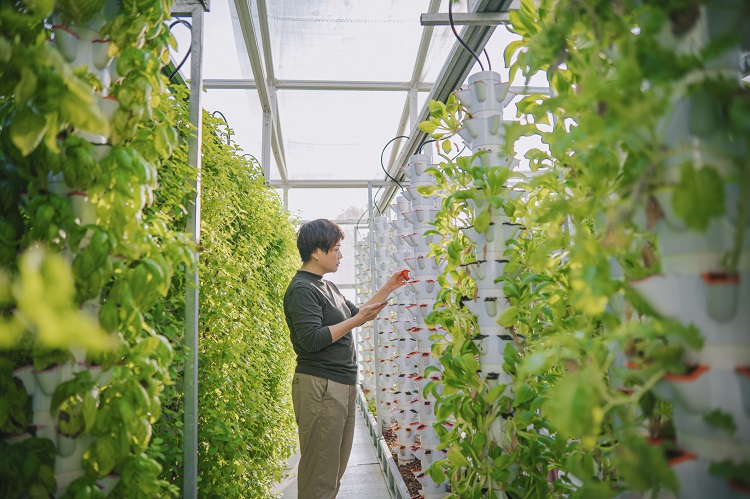
Vertical farming is revolutionising the agricultural industry by offering a sustainable and eco-friendly solution to traditional farming practices. This innovative method involves growing crops in vertically stacked layers, using controlled environments such as skyscrapers or shipping containers. Let’s explore the environmental benefits of vertical farming:
Efficient Land Use
Vertical farming maximises land use efficiency by stacking crops vertically, requiring significantly less land compared to traditional horizontal farming. This not only conserves valuable agricultural land but also reduces deforestation and habitat destruction.
Water Conservation
Vertical farms utilise advanced irrigation systems that recycle water within the closed-loop system. This method drastically reduces water wastage compared to conventional farming practices, where water runoff can lead to pollution and water scarcity.
Reduced Carbon Footprint
By growing produce closer to urban areas, vertical farms minimise transportation distances from farm to table. This reduction in food miles decreases carbon emissions associated with long-haul transportation, contributing to lower greenhouse gas emissions.
Pesticide-Free Environment
Vertical farming provides a controlled environment that minimises pest infestations and diseases, reducing the need for harmful pesticides. By eliminating chemical usage, vertical farms promote healthier produce and protect ecosystems from pesticide contamination.
Year-Round Harvests
Vertical farms can operate year-round regardless of seasonal changes or adverse weather conditions. This continuous harvest cycle ensures a stable food supply throughout the year, reducing dependency on seasonal imports and enhancing food security.
In conclusion, vertical farming offers a sustainable and eco-friendly alternative to traditional agriculture practices by promoting efficient resource use, reducing environmental impact, and ensuring food security for future generations.
Exploring Vertical Farming: Sustainability, Profitability, and Environmental Impact
- Is vertical farming really sustainable?
- Why vertical farming is not eco friendly in India?
- Which vegetable is more profitable?
- Which type of farming is most eco-friendly?
- Are vertical farms eco friendly?
- Is vertical farming produce healthy?
- What is the biggest problem with vertical farming?
Is vertical farming really sustainable?
Vertical farming has emerged as a promising solution to address the challenges of traditional agriculture, but the question of its sustainability remains a common concern. While vertical farming offers several eco-friendly advantages such as efficient land use, water conservation, reduced carbon footprint, and pesticide-free environments, its overall sustainability depends on various factors. Factors such as energy consumption for artificial lighting and climate control, the source of energy used, the materials used in construction, and the management of waste all play a crucial role in determining the sustainability of vertical farming practices. By addressing these challenges through innovative technologies and sustainable practices, vertical farming has the potential to become a truly sustainable method of food production that can help meet the growing global demand for fresh produce while minimising environmental impact.
Why vertical farming is not eco friendly in India?
Vertical farming faces challenges in being eco-friendly in India due to several factors. The energy-intensive nature of vertical farming, especially the requirement for artificial lighting and climate control systems, can lead to high electricity consumption, which is often sourced from non-renewable energy sources in India. Additionally, the initial investment costs for setting up vertical farms with sustainable technologies may be prohibitive for many farmers in the country. Limited awareness and access to eco-friendly practices and technologies further hinder the widespread adoption of environmentally sustainable vertical farming methods in India. Addressing these barriers through innovative solutions and policy support is crucial to enhance the eco-friendliness of vertical farming practices in the Indian agricultural landscape.
Which vegetable is more profitable?
When considering profitability in vertical farming, various factors come into play beyond just the choice of vegetable. While certain vegetables may have higher market value or demand, the overall profitability of a crop depends on factors such as production costs, yield potential, growth cycle length, and local market conditions. It is essential for vertical farmers to conduct thorough research and analysis to determine the most profitable vegetables based on their specific setup, resources, and target market. By selecting the right combination of high-value crops and optimising cultivation practices, vertical farmers can maximise profitability while also promoting eco-friendly and sustainable farming practices.
Which type of farming is most eco-friendly?
When considering eco-friendliness in agriculture, vertical farming emerges as one of the most environmentally sustainable methods. Vertical farming’s innovative approach to growing crops in vertically stacked layers within controlled environments offers numerous eco-friendly advantages. By maximising land use efficiency, conserving water through advanced irrigation systems, reducing carbon emissions from transportation, minimising pesticide usage, and enabling year-round harvests independent of seasonal changes, vertical farming stands out as a leading contender for the title of the most eco-friendly farming method. Its ability to address key environmental challenges while ensuring a consistent and sustainable food supply makes vertical farming a compelling choice for those seeking environmentally conscious agricultural practices.
Are vertical farms eco friendly?
Vertical farms are indeed eco-friendly due to their innovative and sustainable farming practices. By utilising controlled environments and vertical stacking of crops, vertical farming maximises land use efficiency, conserves water through advanced irrigation systems, reduces carbon emissions by minimising food miles, promotes pesticide-free environments, and ensures year-round harvests. These eco-friendly advantages make vertical farming a viable solution to address environmental concerns and contribute towards a more sustainable agricultural industry.
Is vertical farming produce healthy?
When considering the healthiness of produce from vertical farming, it is important to note that vertical farms offer a controlled environment that allows for precise monitoring of factors such as light, temperature, and nutrients. This level of control can result in high-quality, nutritious crops that are free from pesticides and contaminants commonly found in traditional farming. Additionally, vertical farming’s proximity to urban areas enables fresh produce to reach consumers quickly, preserving its nutritional value. Overall, vertical farming can provide healthy and safe produce that meets stringent quality standards, making it a promising option for those seeking nutritious food choices.
What is the biggest problem with vertical farming?
One of the frequently asked questions regarding vertical farming is, “What is the biggest problem with vertical farming?” While vertical farming offers numerous eco-friendly advantages, one significant challenge is the high initial investment costs associated with setting up and maintaining vertical farm infrastructure. The technology and equipment required for vertical farming, such as artificial lighting, ventilation systems, and hydroponic setups, can be costly to install and operate. Additionally, energy consumption in maintaining optimal growing conditions within vertical farms can be a concern in terms of sustainability. Despite these challenges, ongoing advancements in technology and sustainable practices aim to address these issues and make vertical farming a more viable and environmentally friendly solution for future food production.