
The Importance of Sustainable Farm Management Practices
As the global population continues to grow, the demand for food and agricultural products is on the rise. In order to meet this demand while preserving our environment for future generations, sustainable farm management practices are essential.
Sustainable farming focuses on balancing the needs of agriculture with environmental stewardship, economic viability, and social responsibility. By implementing sustainable practices, farmers can improve soil health, conserve water resources, reduce carbon emissions, and protect biodiversity.
Key Components of Sustainable Farm Management
Crop Rotation: Rotating crops helps prevent soil depletion and erosion by maintaining a healthy balance of nutrients in the soil.
Cover Cropping: Planting cover crops like legumes or grasses between main crops helps improve soil structure, suppress weeds, and reduce the need for synthetic fertilisers.
Integrated Pest Management (IPM): IPM strategies focus on using natural predators, crop rotation, and biological controls to manage pests while minimising reliance on chemical pesticides.
Water Conservation: Implementing drip irrigation systems, rainwater harvesting, and efficient water use practices can help conserve water resources on farms.
The Benefits of Sustainable Farming
Sustainable farm management practices offer a wide range of benefits for both farmers and the environment. By adopting these practices, farmers can:
- Improve soil health and fertility
- Reduce greenhouse gas emissions
- Promote biodiversity and ecosystem resilience
- Increase resilience to climate change impacts
- Create healthier food products for consumers
- Enhance long-term economic viability of their farms
In Conclusion
Sustainable farm management practices are crucial for ensuring the long-term sustainability of agriculture. By prioritising environmental conservation, resource efficiency, and community well-being, farmers can play a key role in building a more resilient and sustainable food system for future generations.
Exploring Sustainable Farm Management: Practices, Methods, and Global Initiatives
- What are some sustainable management practices?
- What are the sustainable farming methods?
- What are the initiatives taken on sustainable agriculture in India?
- What is the sustainable farming scheme?
- What are the 5 pillars of sustainable agriculture?
What are some sustainable management practices?
When it comes to sustainable farm management practices, there are several key strategies that farmers can implement to promote environmental stewardship and long-term viability. Some common sustainable management practices include crop rotation, cover cropping, integrated pest management (IPM), water conservation techniques, and agroforestry. These practices not only help improve soil health and fertility but also contribute to reducing carbon emissions, conserving water resources, and enhancing biodiversity on farms. By adopting these sustainable approaches, farmers can create a more resilient and eco-friendly agricultural system that benefits both the environment and their livelihoods in the long run.
What are the sustainable farming methods?
When considering sustainable farming methods, a range of practices can be implemented to promote environmental stewardship and long-term agricultural viability. Some key sustainable farming methods include crop rotation, cover cropping, integrated pest management (IPM), water conservation techniques, agroforestry, and organic farming practices. These methods aim to enhance soil health, reduce reliance on synthetic inputs, conserve water resources, promote biodiversity, and mitigate the impact of climate change. By adopting a holistic approach that considers the interconnectedness of farming systems and ecosystems, farmers can contribute to building a more sustainable and resilient food production system.
What are the initiatives taken on sustainable agriculture in India?
In India, various initiatives have been implemented to promote sustainable agriculture practices and address environmental challenges in the agricultural sector. The government has introduced schemes such as the Paramparagat Krishi Vikas Yojana (PKVY) and the Rashtriya Krishi Vikas Yojana (RKVY) to encourage organic farming, enhance soil health, and promote water conservation. Additionally, initiatives like the National Mission for Sustainable Agriculture (NMSA) focus on climate-resilient agriculture, agroforestry, and integrated farming systems to improve farm productivity while minimising environmental impact. These initiatives aim to empower farmers with knowledge and resources to adopt sustainable practices that benefit both the environment and agricultural communities across India.
What is the sustainable farming scheme?
The sustainable farming scheme encompasses a set of practices and initiatives aimed at promoting environmentally friendly and socially responsible agricultural methods. This scheme focuses on integrating sustainable practices such as crop rotation, cover cropping, integrated pest management, and water conservation to enhance soil health, biodiversity, and overall farm sustainability. By participating in the sustainable farming scheme, farmers commit to reducing their environmental impact, conserving natural resources, and fostering a more resilient and sustainable agricultural system for the benefit of present and future generations.
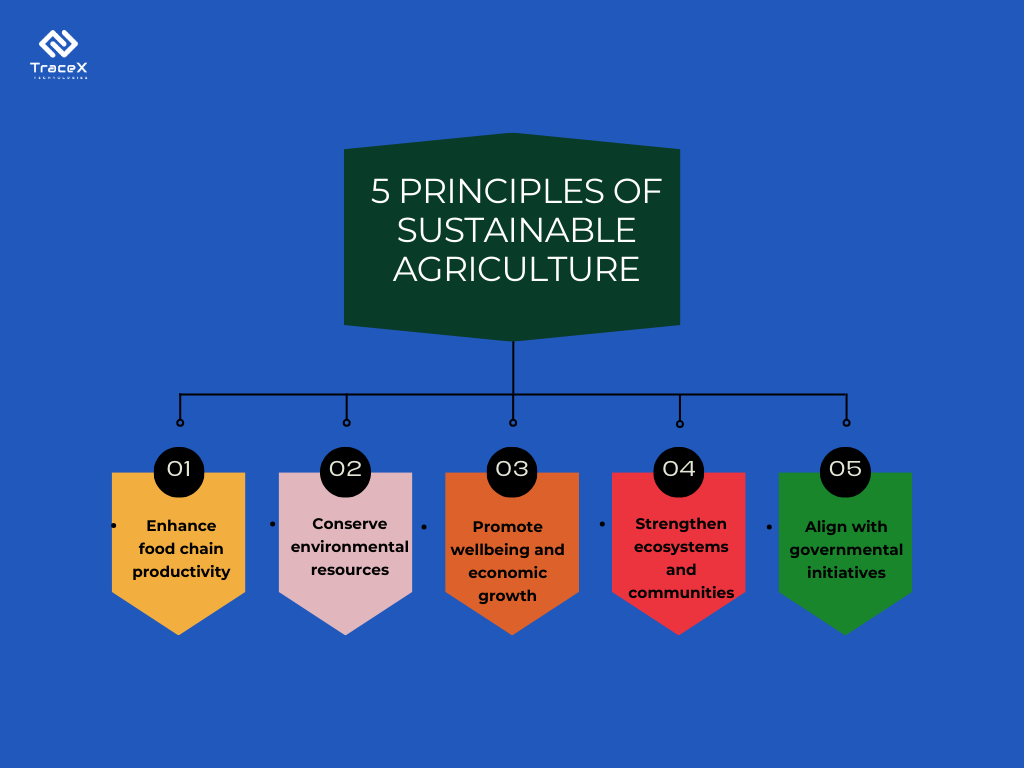
What are the 5 pillars of sustainable agriculture?
The five pillars of sustainable agriculture encompass key principles that guide farmers towards environmentally-friendly and economically-viable practices. These pillars include soil health management, water conservation and management, biodiversity preservation, energy efficiency, and social responsibility. By focusing on these fundamental aspects, farmers can enhance the resilience of their farms, promote sustainable land use practices, and contribute to a more sustainable agricultural system that benefits both present and future generations.