
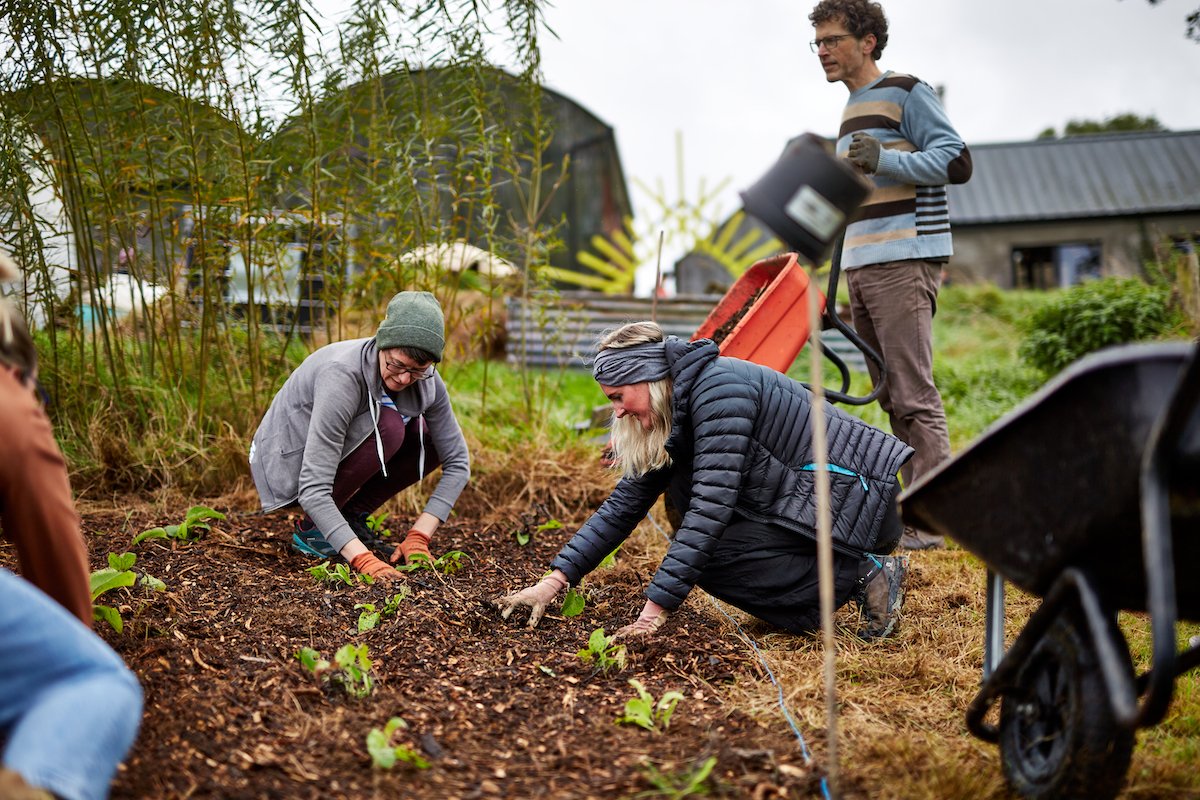
The Benefits of Taking a Vegetable Farming Course
Vegetable farming is a vital aspect of sustainable agriculture that plays a crucial role in providing nutritious food to communities worldwide. If you have a passion for farming and want to learn more about cultivating vegetables efficiently and sustainably, enrolling in a vegetable farming course can be a rewarding experience.
What You Can Learn
By taking a vegetable farming course, you can gain valuable knowledge and skills that are essential for successful vegetable cultivation. These courses typically cover topics such as:
- Soil preparation and management
- Seed selection and propagation techniques
- Pest and disease control methods
- Irrigation systems and water management
- Harvesting, post-harvest handling, and storage practices
- Sustainable farming practices and organic gardening techniques
The Benefits of Enrolling
Enrolling in a vegetable farming course offers numerous benefits, including:
- Enhanced Knowledge: You will deepen your understanding of vegetable cultivation practices and techniques.
- Practical Skills: You will acquire hands-on experience in planting, caring for, and harvesting vegetables.
- Networking Opportunities: You can connect with fellow farmers, experts, and industry professionals to expand your network.
- Career Advancement: A vegetable farming course can open up new career opportunities in the agricultural sector.
- Sustainability Focus: You will learn how to farm vegetables sustainably, minimising environmental impact.
In Conclusion
A vegetable farming course can provide you with the knowledge, skills, and confidence needed to excel in vegetable cultivation. Whether you are a beginner looking to start your own farm or an experienced farmer seeking to enhance your expertise, investing in education through a vegetable farming course can be a significant step towards achieving your agricultural goals.
Top 9 Essential Tips for Successful Vegetable Farming: A Comprehensive Guide
- Choose the right location with adequate sunlight and good soil drainage.
- Start with a small variety of vegetables to manage effectively.
- Ensure proper spacing between plants for optimal growth.
- Regularly monitor and control pests and diseases to prevent damage.
- Implement a watering schedule to keep plants hydrated but not waterlogged.
- Use organic fertilizers to maintain soil fertility and plant health.
- Rotate crops each season to prevent depletion of nutrients in the soil.
- Harvest vegetables at the right time to ensure freshness and flavour.
- Keep learning and stay updated on new techniques and trends in vegetable farming.
Choose the right location with adequate sunlight and good soil drainage.
Selecting the appropriate location for your vegetable farming course is crucial for successful cultivation. It is recommended to choose a site that receives ample sunlight and has good soil drainage. Adequate sunlight is essential for the healthy growth of vegetables, as it aids in photosynthesis and overall plant development. Additionally, proper soil drainage helps prevent waterlogging, which can lead to root rot and other plant diseases. By ensuring your chosen location has these key characteristics, you can create an optimal environment for growing a variety of nutritious and vibrant vegetables during your farming course.
Start with a small variety of vegetables to manage effectively.
Starting with a small variety of vegetables is a practical tip for effective vegetable farming. By focusing on a limited selection of crops, farmers can better manage their resources, time, and attention. This approach allows beginners to gain valuable experience in cultivating different types of vegetables without becoming overwhelmed. Starting small also enables farmers to learn the specific requirements of each crop, optimise their growing conditions, and refine their cultivation techniques before expanding their range of vegetables. In essence, beginning with a small variety of vegetables sets a solid foundation for successful and manageable farming practices in the long run.
Ensure proper spacing between plants for optimal growth.
Ensuring proper spacing between plants is a crucial tip for optimising growth in vegetable farming. Adequate spacing allows each plant to access sufficient sunlight, water, and nutrients, promoting healthy development and reducing competition among plants. By giving plants room to thrive, you can prevent overcrowding, improve air circulation, and minimise the risk of diseases. Proper spacing also facilitates efficient harvesting and maintenance practices, contributing to higher yields and overall crop success in your vegetable farm.
Regularly monitor and control pests and diseases to prevent damage.
Regularly monitoring and controlling pests and diseases is a crucial aspect of successful vegetable farming. By staying vigilant and implementing effective pest and disease management strategies, farmers can prevent potential damage to their crops and ensure healthy plant growth. Timely intervention, such as using natural predators, organic pesticides, or cultural practices, can help maintain the health and productivity of vegetable crops. By prioritising pest and disease control measures, farmers can safeguard their harvests and promote sustainable farming practices in the long run.
Implement a watering schedule to keep plants hydrated but not waterlogged.
Implementing a watering schedule is essential in vegetable farming to ensure that plants receive adequate hydration without being waterlogged. Overwatering can lead to root rot and other water-related issues, impacting the health and growth of the plants. By following a structured watering routine based on the specific needs of each crop, farmers can maintain optimal soil moisture levels, promote healthy root development, and enhance overall crop productivity. Consistency in watering practices is key to successful vegetable cultivation and plays a significant role in achieving sustainable farming outcomes.
Use organic fertilizers to maintain soil fertility and plant health.
Using organic fertilizers is a valuable tip for maintaining soil fertility and promoting plant health in vegetable farming. Organic fertilizers, derived from natural sources such as compost, manure, and plant residues, provide essential nutrients to the soil without harmful chemicals. By incorporating organic fertilizers into your farming practices, you can improve soil structure, enhance nutrient availability to plants, and support beneficial microbial activity. This sustainable approach not only nourishes your crops but also contributes to long-term soil health and environmental sustainability in agricultural practices.
Rotate crops each season to prevent depletion of nutrients in the soil.
To maintain soil fertility and prevent nutrient depletion, it is essential to rotate crops each season in vegetable farming. Crop rotation helps to balance soil nutrients, reduce the build-up of pests and diseases, and improve overall crop yields. By alternating the types of crops grown in a particular area over different seasons, farmers can optimise soil health and productivity while promoting sustainable agricultural practices. This method not only benefits the current harvest but also preserves the long-term viability of the land for future cultivation.
Harvest vegetables at the right time to ensure freshness and flavour.
Harvesting vegetables at the optimal time is essential to preserve their freshness and flavour. By picking vegetables when they are fully ripe, you can ensure that they are at their peak in terms of taste and nutritional value. Timing the harvest correctly also helps maintain the quality and shelf life of the produce, making it more appealing to consumers. Properly harvested vegetables not only taste better but also contribute to a positive farming experience, rewarding growers with a bountiful harvest that reflects their dedication to quality cultivation practices.
Keep learning and stay updated on new techniques and trends in vegetable farming.
Staying informed and continuously learning about new techniques and trends in vegetable farming is essential for success in the agricultural industry. By keeping up-to-date with the latest advancements, farmers can enhance their skills, improve crop yields, and adopt sustainable practices that benefit both the environment and their farming operations. Embracing a mindset of lifelong learning not only ensures that farmers remain competitive in the ever-evolving field of agriculture but also allows them to contribute to the growth and innovation of vegetable farming practices.