
The Future of Farming: Embracing Sustainable Agriculture Methods
In recent years, the importance of sustainable agriculture methods has gained significant attention as the global population continues to grow, putting pressure on our food systems and natural resources. Sustainable agriculture focuses on meeting the needs of the present without compromising the ability of future generations to meet their own needs.
Key Principles of Sustainable Agriculture
Sustainable agriculture incorporates various practices that aim to minimise environmental impact, promote economic viability, and prioritise social equity. Some key principles include:
- Soil Health: Implementing techniques such as crop rotation, cover cropping, and reduced tillage to maintain soil fertility and structure.
- Water Conservation: Utilising efficient irrigation methods, rainwater harvesting, and water recycling to reduce water wastage.
- Biodiversity Preservation: Encouraging diverse ecosystems on farms to support pollinators, natural pest control, and overall ecosystem resilience.
- Integrated Pest Management: Using biological controls, crop rotation, and resistant crop varieties to manage pests without relying heavily on chemical pesticides.
- Energy Efficiency: Adopting renewable energy sources like solar power and wind energy to reduce reliance on fossil fuels.
The Benefits of Sustainable Agriculture
Sustainable agriculture offers a multitude of benefits for farmers, consumers, and the environment. By embracing sustainable practices, farmers can improve soil health, increase biodiversity on their land, reduce greenhouse gas emissions, and enhance water quality. Consumers benefit from access to nutritious food produced in an environmentally friendly manner. Additionally, sustainable agriculture helps mitigate climate change by sequestering carbon in soils and reducing deforestation for agricultural expansion.
The Role of Technology in Sustainable Agriculture
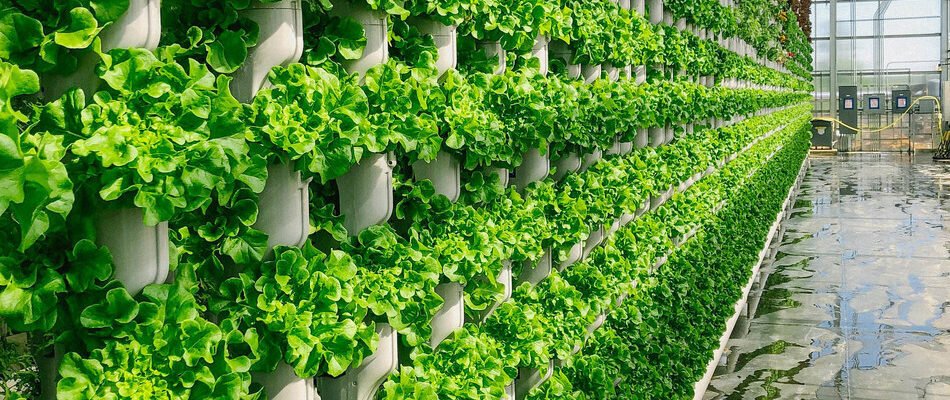
Advancements in technology play a crucial role in enhancing sustainable agriculture practices. Precision farming techniques enable farmers to monitor crop health more effectively, optimise resource use through data-driven decision-making, and reduce input wastage. Innovations such as vertical farming, hydroponics, and aquaponics offer alternative methods for growing food sustainably in urban environments with limited space.
Joining the Movement Towards Sustainability
As we face challenges such as climate change and diminishing natural resources, it is imperative that we transition towards more sustainable agricultural practices. By supporting local farmers who embrace sustainability, choosing organic produce whenever possible, and advocating for policies that promote environmentally friendly farming methods, we can all contribute to a more sustainable food system for future generations.
9 Essential Tips for Practising Sustainable Agriculture in the UK
- Practice crop rotation to maintain soil fertility and prevent pest build-up.
- Use organic fertilizers like compost and manure to improve soil health.
- Employ integrated pest management techniques to control pests naturally.
- Conserve water through drip irrigation systems and rainwater harvesting.
- Plant cover crops to reduce erosion, suppress weeds, and enhance biodiversity.
- Avoid monoculture by planting a variety of crops to promote ecological balance.
- Utilize agroforestry practices by integrating trees with crops for mutual benefits.
- Minimize tillage to protect soil structure, reduce erosion, and sequester carbon.
- Support local markets by selling produce locally to reduce food miles.
Practice crop rotation to maintain soil fertility and prevent pest build-up.
Implementing crop rotation is a key sustainable agriculture method that helps maintain soil fertility and prevent pest build-up. By alternating different crops in a systematic way, farmers can replenish soil nutrients naturally, reduce the risk of soil-borne diseases, and disrupt the life cycles of pests that target specific crops. This practice not only benefits the health of the soil but also promotes biodiversity on farms, leading to more resilient and sustainable agricultural systems in the long run.
Use organic fertilizers like compost and manure to improve soil health.
Using organic fertilizers such as compost and manure is a key tip in sustainable agriculture methods to enhance soil health. These natural fertilizers not only provide essential nutrients for plant growth but also help improve soil structure, water retention, and microbial activity. By incorporating compost and manure into farming practices, farmers can reduce reliance on synthetic chemicals, promote biodiversity in the soil, and contribute to long-term sustainability of their land. Embracing organic fertilizers is a simple yet effective way to support environmentally friendly agriculture practices and cultivate healthier soils for future generations.
Employ integrated pest management techniques to control pests naturally.
Employing integrated pest management techniques is a key aspect of sustainable agriculture methods. By utilising natural solutions such as biological controls, crop rotation, and resistant crop varieties, farmers can effectively manage pests without relying heavily on chemical pesticides. This approach not only helps to preserve the environment and biodiversity but also promotes healthier soil and crops. Integrated pest management is a sustainable way to control pests while minimising the negative impact on ecosystems and human health.
Conserve water through drip irrigation systems and rainwater harvesting.
To promote sustainable agriculture methods, consider implementing water conservation practices such as utilising drip irrigation systems and rainwater harvesting. Drip irrigation systems deliver water directly to the roots of plants, minimising wastage and promoting efficient water use. Additionally, rainwater harvesting allows farmers to collect and store rainwater for irrigation purposes, reducing reliance on freshwater sources and helping to conserve this precious resource. By incorporating these techniques into farming practices, farmers can contribute to sustainable agriculture while ensuring the responsible management of water resources for future generations.
Plant cover crops to reduce erosion, suppress weeds, and enhance biodiversity.
Planting cover crops is a highly effective sustainable agriculture method that offers multiple benefits to the environment and farming practices. By incorporating cover crops into agricultural fields, farmers can significantly reduce soil erosion, suppress weed growth naturally, and promote biodiversity by providing habitat for beneficial insects and microorganisms. This simple yet powerful technique not only helps to improve soil health but also contributes to the overall sustainability of farming operations, making it a valuable practice for environmentally conscious farmers seeking to enhance the resilience of their land.
Avoid monoculture by planting a variety of crops to promote ecological balance.
Planting a variety of crops instead of monoculture is a fundamental tip in sustainable agriculture methods. By diversifying crops, farmers can promote ecological balance and reduce the risk of pest outbreaks and soil depletion. Different crops have varying nutrient requirements and growth patterns, which can help improve soil health and biodiversity on the farm. Additionally, crop diversity supports natural pollinators and beneficial insects, contributing to a more resilient and sustainable agricultural ecosystem.
Utilize agroforestry practices by integrating trees with crops for mutual benefits.
Utilising agroforestry practices in agriculture involves integrating trees with crops to achieve mutual benefits. This approach not only enhances biodiversity on farmlands but also promotes soil health, water conservation, and natural pest control. Trees provide shade for crops, help prevent soil erosion, and contribute to carbon sequestration. By incorporating agroforestry into farming systems, farmers can create resilient and sustainable landscapes that support both agricultural production and environmental conservation.
Minimize tillage to protect soil structure, reduce erosion, and sequester carbon.
Minimising tillage is a key sustainable agriculture method that can have significant benefits for soil health and the environment. By reducing the frequency and intensity of tilling, farmers can protect the soil structure, prevent erosion, and promote the sequestration of carbon in the soil. This practice helps maintain soil fertility, improve water retention capacity, and enhance overall ecosystem resilience. Embracing minimal tillage techniques not only supports sustainable farming practices but also contributes to mitigating climate change by storing carbon in the soil rather than releasing it into the atmosphere.
Support local markets by selling produce locally to reduce food miles.
Supporting local markets by selling produce locally is a key strategy in promoting sustainable agriculture methods. By reducing food miles – the distance food travels from farm to consumer – farmers can significantly decrease carbon emissions associated with transportation. This not only helps lower the environmental impact of food production but also strengthens the local economy and fosters a closer connection between farmers and consumers. By choosing locally grown produce, individuals can support sustainable farming practices and enjoy fresh, seasonal ingredients while reducing their carbon footprint.