
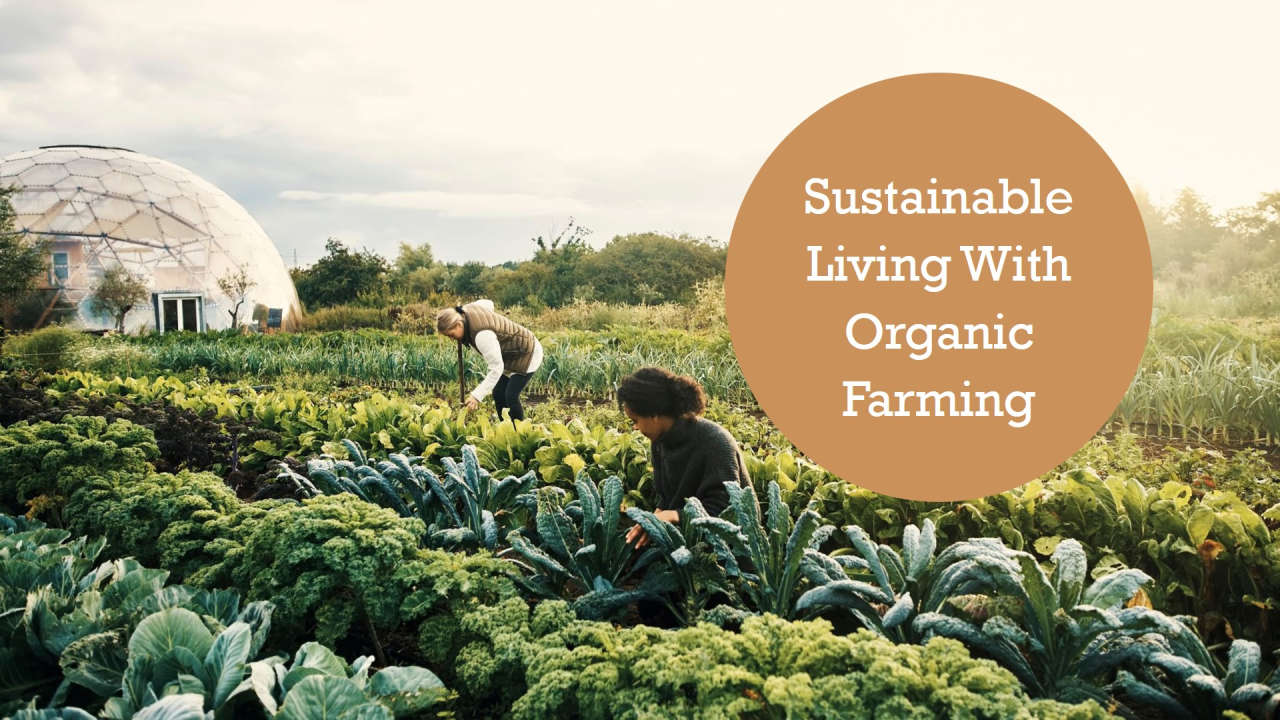
The Sustainability of Organic Agriculture
Organic agriculture has gained significant attention in recent years due to its focus on sustainability and environmental stewardship. Unlike conventional farming methods that rely heavily on synthetic inputs, organic agriculture promotes natural processes to maintain soil health, preserve biodiversity, and protect the ecosystem.
One of the key aspects of organic agriculture is soil management. Organic farmers use techniques such as crop rotation, composting, and cover cropping to improve soil fertility and structure. By avoiding synthetic pesticides and fertilisers, organic farming helps prevent soil degradation and erosion, ensuring the long-term productivity of the land.
Furthermore, organic agriculture prioritises biodiversity conservation. By avoiding chemical inputs that can harm beneficial insects and wildlife, organic farms provide a habitat for diverse plant and animal species. This not only supports ecosystem health but also contributes to natural pest control and pollination services.
Another important aspect of sustainability in organic agriculture is water conservation. Organic farming practices such as mulching and drip irrigation help minimise water wastage and promote efficient water use. By reducing reliance on irrigation systems and preserving water quality, organic farms contribute to overall water conservation efforts.
In addition to environmental benefits, organic agriculture also prioritises social sustainability. Organic farmers often engage with local communities, promote fair labour practices, and support rural economies. By fostering relationships with consumers through farmers’ markets or community-supported agriculture (CSA) schemes, organic farmers build a sense of community around sustainable food production.
In conclusion, the sustainability of organic agriculture lies in its holistic approach to farming that considers environmental, social, and economic factors. By promoting soil health, preserving biodiversity, conserving water resources, and supporting local communities, organic agriculture offers a viable alternative to conventional farming practices that can help create a more sustainable food system for future generations.
Exploring the Sustainability of Organic Agriculture: Answers to Common Questions
- What is organic agriculture and how does it differ from conventional farming?
- Why is sustainability important in organic agriculture?
- What are the environmental benefits of organic farming practices?
- How does organic agriculture help preserve soil health and fertility?
- What role does biodiversity conservation play in organic farming?
- How do organic farmers manage pests and diseases without synthetic chemicals?
- What water conservation practices are commonly used in organic agriculture?
- How does organic agriculture contribute to social sustainability and community engagement?
What is organic agriculture and how does it differ from conventional farming?
Organic agriculture is a farming method that prioritises sustainability and environmental stewardship by avoiding the use of synthetic pesticides, fertilisers, and genetically modified organisms. Instead, organic farmers rely on natural processes to enhance soil health, preserve biodiversity, and protect the ecosystem. In contrast, conventional farming typically involves the use of chemical inputs to maximise yields and control pests. Organic agriculture promotes practices such as crop rotation, composting, and biological pest control to maintain soil fertility and minimise environmental impact. By prioritising natural methods over synthetic inputs, organic farming aims to create a more sustainable food production system that benefits both the environment and human health.
Why is sustainability important in organic agriculture?
Sustainability is crucial in organic agriculture as it embodies the principles of long-term environmental health, social responsibility, and economic viability. By prioritising sustainability, organic agriculture ensures that farming practices do not deplete natural resources or harm the ecosystem. Organic farming methods promote soil fertility, biodiversity conservation, and water efficiency, thus contributing to the overall health of the environment. Additionally, sustainability in organic agriculture fosters community engagement, fair labour practices, and local economic development. By embracing sustainable practices, organic agriculture not only produces healthy food but also helps build resilient farming systems that can thrive for generations to come.
What are the environmental benefits of organic farming practices?
Organic farming practices offer a range of environmental benefits that contribute to a more sustainable agricultural system. By avoiding synthetic pesticides and fertilisers, organic farming helps protect soil health and biodiversity, promoting natural processes that support ecosystem resilience. Organic farms also reduce the risk of water pollution by minimising chemical run-off into water bodies, thereby safeguarding water quality and aquatic habitats. Additionally, organic agriculture promotes carbon sequestration in the soil through practices like cover cropping and composting, helping mitigate climate change by reducing greenhouse gas emissions. Overall, the environmental benefits of organic farming practices include improved soil fertility, biodiversity conservation, water quality protection, and carbon sequestration, making it a valuable approach for sustainable food production.
How does organic agriculture help preserve soil health and fertility?
Organic agriculture plays a crucial role in preserving soil health and fertility through its emphasis on natural and sustainable practices. By avoiding synthetic pesticides and fertilisers, organic farmers protect the delicate balance of microorganisms in the soil that contribute to its fertility. Techniques such as crop rotation, cover cropping, and composting are commonly used in organic farming to enhance soil structure, increase organic matter content, and promote beneficial soil organisms. These practices help maintain soil health by reducing erosion, improving water retention, and fostering nutrient cycling. Overall, organic agriculture’s commitment to nurturing the soil as a living ecosystem ensures long-term fertility and sustainability for future generations.
What role does biodiversity conservation play in organic farming?
Biodiversity conservation plays a crucial role in organic farming as it contributes to the overall sustainability and resilience of agricultural ecosystems. In organic agriculture, preserving biodiversity helps maintain a balanced ecosystem where various plant and animal species coexist harmoniously. By avoiding synthetic pesticides and fertilisers that can harm beneficial insects and wildlife, organic farmers create a habitat that supports natural pest control, pollination services, and soil health. The presence of diverse plant species also enhances soil fertility, reduces the risk of crop diseases, and promotes ecosystem stability. Ultimately, biodiversity conservation in organic farming not only safeguards the environment but also ensures the long-term productivity and viability of agricultural systems.
How do organic farmers manage pests and diseases without synthetic chemicals?
Organic farmers employ a variety of natural and sustainable methods to manage pests and diseases without relying on synthetic chemicals. Integrated pest management (IPM) is a key strategy used by organic farmers, which involves a combination of techniques such as crop rotation, biological control, beneficial insects, trap crops, and physical barriers to minimise pest damage. By promoting biodiversity on their farms and creating balanced ecosystems, organic farmers can enhance natural pest control mechanisms. Additionally, practices like using resistant crop varieties, maintaining healthy soil through composting and cover cropping, and timing planting to avoid peak pest seasons all contribute to effective pest and disease management in organic agriculture. Through these proactive and environmentally friendly approaches, organic farmers demonstrate that it is possible to cultivate healthy crops without compromising the ecosystem or human health.
What water conservation practices are commonly used in organic agriculture?
In organic agriculture, several water conservation practices are commonly employed to promote sustainable farming methods. Practices such as mulching, drip irrigation, and rainwater harvesting are widely used in organic farming to minimise water wastage and improve water efficiency. Mulching involves covering the soil with organic materials like straw or compost to retain moisture, reduce evaporation, and suppress weed growth. Drip irrigation systems deliver water directly to the plant roots, reducing water loss through evaporation and runoff. Rainwater harvesting allows farmers to collect and store rainwater for irrigation purposes, reducing reliance on freshwater sources. These water conservation practices not only help organic farmers conserve valuable resources but also contribute to environmental sustainability in agriculture.
How does organic agriculture contribute to social sustainability and community engagement?
Organic agriculture plays a crucial role in promoting social sustainability and fostering community engagement through its emphasis on ethical farming practices and local relationships. Organic farmers often prioritise fair labour practices, support rural economies, and engage with local communities through initiatives such as farmers’ markets and community-supported agriculture (CSA) schemes. By building strong connections between producers and consumers, organic agriculture creates a sense of community around sustainable food production, encouraging dialogue, education, and mutual support. This collaborative approach not only benefits local economies but also promotes social cohesion and empowers individuals to make informed choices about their food consumption, ultimately contributing to a more sustainable and resilient society.