
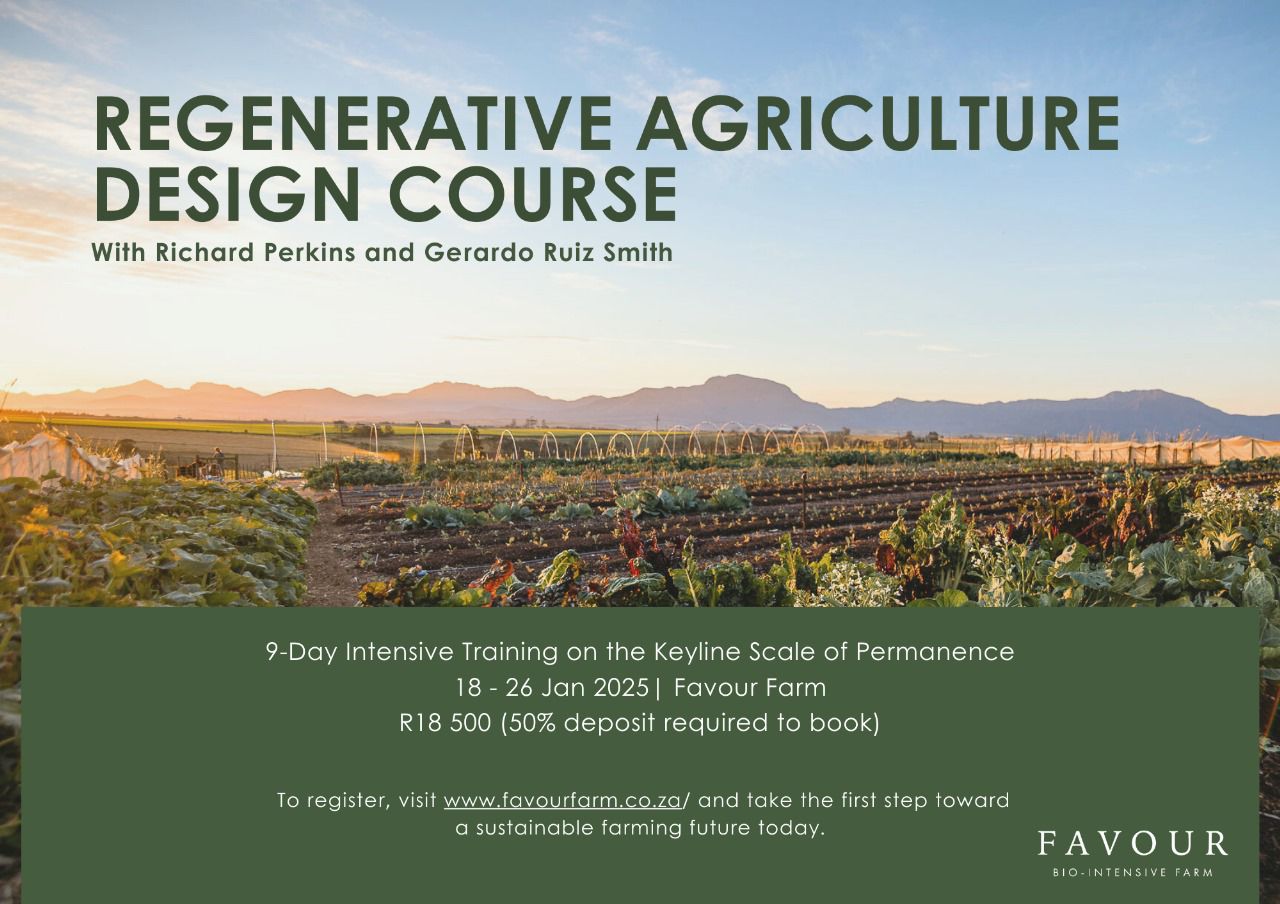
The Benefits of Taking a Regenerative Agriculture Course
Regenerative agriculture has gained significant attention in recent years as a sustainable farming practice that focuses on restoring and improving the health of the land. If you are passionate about environmental conservation and sustainable food production, enrolling in a regenerative agriculture course can be a transformative experience.
What is Regenerative Agriculture?
Regenerative agriculture goes beyond traditional farming methods by emphasising soil health, biodiversity, and ecosystem restoration. By implementing practices such as cover cropping, crop rotation, and minimal tillage, regenerative farmers aim to enhance soil fertility, sequester carbon, and promote natural pest control.
Benefits of Learning Regenerative Agriculture
- Sustainability: Regenerative agriculture promotes long-term sustainability by improving soil quality and reducing reliance on synthetic inputs.
- Environmental Impact: By sequestering carbon in the soil and enhancing biodiversity, regenerative practices contribute to mitigating climate change and preserving ecosystems.
- Economic Viability: Sustainable farming practices can lead to cost savings over time and create resilient agricultural systems that are less vulnerable to external factors.
- Community Engagement: Regenerative agriculture fosters community involvement and collaboration through shared knowledge and resources.
- Promoting Healthier Food: By prioritising soil health and natural processes, regenerative farming produces nutrient-dense food that benefits both consumers and the environment.
Enrol in a Regenerative Agriculture Course Today
If you are interested in learning more about regenerative agriculture and its potential impact on sustainable food production, consider enrolling in a regenerative agriculture course. These courses typically cover topics such as soil health management, agroecology principles, holistic land management, and practical techniques for implementing regenerative practices on the farm.
By gaining knowledge and skills in regenerative agriculture, you can play a vital role in shaping the future of farming towards a more sustainable and resilient model that benefits both people and the planet.
Mastering Regenerative Agriculture: 9 Essential Tips for Sustainable Farming Success
- Understand the principles of regenerative agriculture.
- Learn about soil health and its importance in regenerative practices.
- Explore different regenerative farming techniques, such as cover cropping and crop rotation.
- Study the role of biodiversity in regenerative agriculture systems.
- Gain practical experience through hands-on activities and fieldwork.
- Understand the economic benefits of transitioning to regenerative practices.
- Connect with experts and fellow learners to exchange knowledge and ideas.
- Stay updated on the latest research and developments in regenerative agriculture.
- Apply what you learn from the course to implement regenerative practices on your own farm or garden.
Understand the principles of regenerative agriculture.
To fully benefit from a regenerative agriculture course, it is essential to grasp the fundamental principles that underpin this sustainable farming approach. Understanding the core principles of regenerative agriculture, such as enhancing soil health, promoting biodiversity, and restoring ecosystem balance, forms the foundation for implementing effective and holistic farming practices. By delving into these principles, participants can develop a deeper appreciation for the interconnectedness of natural systems and gain insights into how regenerative techniques can contribute to long-term environmental sustainability and agricultural resilience.
Learn about soil health and its importance in regenerative practices.
Understanding soil health is fundamental to successful regenerative agriculture practices. Soil serves as the foundation for all agricultural activities, playing a crucial role in plant nutrition, water retention, and carbon sequestration. By learning about soil health and its significance in regenerative farming, individuals can implement strategies to improve soil quality, promote biodiversity, and enhance the overall resilience of their farming systems. Prioritising soil health not only benefits crop productivity but also contributes to long-term sustainability and environmental conservation in agricultural practices.
Explore different regenerative farming techniques, such as cover cropping and crop rotation.
To truly understand the essence of regenerative agriculture, it is essential to explore a variety of sustainable farming techniques, including cover cropping and crop rotation. Cover cropping involves planting specific crops during off-seasons to protect and enrich the soil, prevent erosion, and suppress weeds. On the other hand, crop rotation helps maintain soil health by alternating different crops in a specific sequence, which can reduce pest pressure and nutrient depletion while promoting biodiversity. By delving into these regenerative farming practices, individuals can gain valuable insights into how to cultivate healthy soils and create resilient agricultural systems that benefit both the environment and future generations.
Study the role of biodiversity in regenerative agriculture systems.
Studying the role of biodiversity in regenerative agriculture systems is a crucial tip for anyone interested in sustainable farming practices. Biodiversity plays a key role in enhancing soil health, promoting natural pest control, and increasing resilience to environmental stressors. By understanding how different plant and animal species interact within an ecosystem, farmers can implement strategies that support biodiversity and create a more balanced and productive agricultural system. Emphasising the importance of biodiversity in regenerative agriculture courses can help farmers harness the power of nature to improve the overall health and sustainability of their farms.
Gain practical experience through hands-on activities and fieldwork.
To maximise the benefits of a regenerative agriculture course, it is essential to gain practical experience through hands-on activities and fieldwork. By actively engaging in farm tasks such as soil preparation, planting, and crop management, students can deepen their understanding of regenerative practices and witness their impact firsthand. Fieldwork allows participants to apply theoretical knowledge in real-world settings, honing their skills and fostering a deeper connection to the land. Through hands-on experiences, individuals can truly appreciate the transformative power of regenerative agriculture and develop the expertise needed to implement sustainable farming techniques effectively.
Understand the economic benefits of transitioning to regenerative practices.
Understanding the economic benefits of transitioning to regenerative practices is crucial for farmers looking to adopt sustainable farming methods. By implementing regenerative agriculture techniques such as cover cropping, crop rotation, and reduced tillage, farmers can reduce input costs, improve soil health, and increase crop yields over time. Additionally, regenerative practices contribute to long-term sustainability by promoting resilience to environmental challenges and reducing reliance on expensive synthetic inputs. Recognising the financial advantages of regenerative agriculture can motivate farmers to make the transition and reap the economic rewards of sustainable farming in the future.
Connect with experts and fellow learners to exchange knowledge and ideas.
Connecting with experts and fellow learners in a regenerative agriculture course is invaluable for exchanging knowledge and ideas. By engaging with experienced practitioners and like-minded individuals, you can gain insights, perspectives, and practical tips that enhance your understanding of regenerative practices. Collaborating with a diverse community of learners allows for the sharing of best practices, innovative techniques, and solutions to common challenges faced in sustainable farming. Building these connections not only enriches your learning experience but also fosters a supportive network that can inspire continuous growth and development in regenerative agriculture.
Stay updated on the latest research and developments in regenerative agriculture.
To maximise the benefits of a regenerative agriculture course, it is essential to stay updated on the latest research and developments in the field. By keeping abreast of current trends, innovative practices, and scientific findings, you can enhance your understanding of regenerative agriculture and incorporate cutting-edge techniques into your farming practices. Continuous learning and staying informed about advancements in regenerative agriculture will enable you to adapt to changing environmental conditions, improve sustainability on your farm, and contribute to the overall growth of the regenerative farming movement.
Apply what you learn from the course to implement regenerative practices on your own farm or garden.
Applying the knowledge and techniques gained from a regenerative agriculture course to implement sustainable practices on your own farm or garden can have a profound impact on the health of the land and the environment. By integrating regenerative principles such as soil health management, biodiversity promotion, and natural pest control, you can enhance the resilience and productivity of your agricultural space. Taking proactive steps towards regenerative farming not only benefits your own land but also contributes to the larger goal of building a more sustainable and ecologically conscious food system for future generations.