
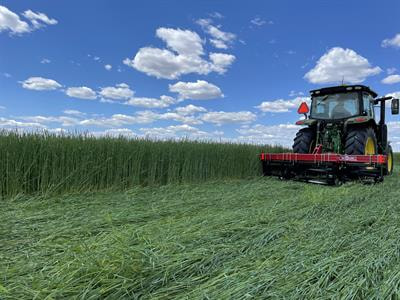
Integrated Weed Management for Sustainable Agriculture
In the realm of agriculture, weeds pose a significant challenge to crop production and can hinder sustainable farming practices. Integrated Weed Management (IWM) offers a holistic approach to weed control that minimises reliance on chemical herbicides and promotes long-term sustainability.
What is Integrated Weed Management?
Integrated Weed Management is a strategy that combines various weed control methods to effectively manage weed populations while reducing environmental impact. This approach recognises that weeds are part of a complex ecosystem and aims to address the root causes of weed infestations rather than simply treating symptoms.
Components of Integrated Weed Management
An effective IWM programme typically includes a combination of cultural, mechanical, biological, and chemical control methods:
- Cultural Control: Practices such as crop rotation, intercropping, and mulching help create an environment that is less conducive to weed growth.
- Mechanical Control: Manual weeding, hoeing, mowing, and cultivation are physical methods used to remove weeds from fields.
- Biological Control: Utilising natural enemies of weeds, such as insects or pathogens, to suppress weed growth in a targeted manner.
- Chemical Control: When necessary, selective herbicides can be used judiciously as part of an overall IWM strategy.
The Benefits of Integrated Weed Management
IWM offers several advantages for sustainable agriculture:
- Promotes biodiversity by reducing reliance on herbicides that can harm non-target species.
- Minimises the development of herbicide-resistant weeds through diversified control methods.
- Improves soil health by reducing disturbance from intensive tillage practices associated with conventional weed control.
- Enhances long-term sustainability by fostering ecological balance within agroecosystems.
In Conclusion
Integrated Weed Management represents a proactive and environmentally conscious approach to weed control in agriculture. By integrating multiple strategies tailored to specific farming systems, IWM not only addresses immediate weed issues but also contributes to the overall health and resilience of agricultural landscapes. Embracing IWM practices is essential for promoting sustainable agriculture and ensuring food security for future generations.
Exploring Integrated Weed Management: Key Questions and Strategies for Sustainable Agriculture
- What is Integrated Weed Management (IWM) and why is it important for sustainable agriculture?
- What are the different components of Integrated Weed Management?
- How does Cultural Control contribute to weed management in sustainable agriculture?
- What are some examples of Mechanical Control methods used in Integrated Weed Management?
- How can Biological Control be integrated into a sustainable weed management strategy?
- When is Chemical Control considered appropriate in an Integrated Weed Management programme?
- What are the benefits of adopting an Integrated Weed Management approach on farms?
- How does Integrated Weed Management help reduce environmental impact compared to traditional herbicide-based approaches?
- What role does crop rotation play in an effective Integrated Weed Management system?
What is Integrated Weed Management (IWM) and why is it important for sustainable agriculture?
Integrated Weed Management (IWM) is a comprehensive approach that combines various strategies to effectively control weeds while promoting sustainable agriculture practices. By integrating cultural, mechanical, biological, and chemical control methods, IWM addresses weed issues at their root causes rather than relying solely on herbicides. This holistic approach is crucial for sustainable agriculture as it reduces the environmental impact of weed control, promotes biodiversity, minimises herbicide resistance development, improves soil health, and contributes to the long-term ecological balance of agroecosystems. Embracing Integrated Weed Management is essential for farmers looking to enhance the sustainability and productivity of their farming operations while preserving the health of the environment for future generations.
What are the different components of Integrated Weed Management?
When exploring the concept of Integrated Weed Management for sustainable agriculture, it is crucial to understand the diverse components that constitute this holistic approach. Integrated Weed Management incorporates a range of strategies, including cultural control methods like crop rotation and mulching, mechanical practices such as manual weeding and cultivation, biological controls using natural enemies of weeds, and selective chemical measures when necessary. By combining these various components synergistically, Integrated Weed Management aims to address weed issues comprehensively while promoting environmentally friendly and sustainable farming practices.
How does Cultural Control contribute to weed management in sustainable agriculture?
In sustainable agriculture, Cultural Control plays a crucial role in weed management by utilising farming practices that create an environment less favourable for weed growth. Techniques such as crop rotation, intercropping, and mulching help disrupt the lifecycle of weeds, reduce weed competition with crops, and promote soil health. By diversifying cropping systems and implementing cultural control measures, farmers can effectively suppress weed populations without relying solely on chemical herbicides. This approach not only minimises environmental impact but also contributes to the long-term sustainability of agricultural systems by fostering natural ecosystem processes and reducing reliance on synthetic inputs.
What are some examples of Mechanical Control methods used in Integrated Weed Management?
Mechanical control methods play a crucial role in Integrated Weed Management for sustainable agriculture. Examples of mechanical control techniques include manual weeding, hoeing, mowing, and cultivation. Manual weeding involves physically removing weeds by hand or using tools to uproot them from the soil. Hoeing is another effective method that involves cutting weeds at their base to prevent regrowth. Mowing is commonly used to trim weed growth in larger fields or grassy areas. Cultivation, such as ploughing or tilling, disrupts weed growth by turning over the soil and burying weed seeds, inhibiting their germination. These mechanical control methods offer environmentally friendly alternatives to chemical herbicides and contribute to a comprehensive weed management strategy that promotes sustainable agriculture practices.
How can Biological Control be integrated into a sustainable weed management strategy?
Incorporating Biological Control into a sustainable weed management strategy involves harnessing natural mechanisms to suppress weed populations in an environmentally friendly manner. By introducing or enhancing the presence of natural enemies, such as insects, pathogens, or grazing animals that target specific weed species, Biological Control can help reduce weed infestations without relying solely on chemical herbicides. This approach requires careful consideration of the ecological interactions between weeds and their natural enemies to ensure effective and targeted control measures. Integrating Biological Control methods into a holistic weed management plan can enhance biodiversity, minimise environmental impact, and contribute to the long-term sustainability of agricultural systems.
When is Chemical Control considered appropriate in an Integrated Weed Management programme?
In an Integrated Weed Management programme for sustainable agriculture, Chemical Control is considered appropriate when other control methods alone are insufficient to manage weed populations effectively. Chemical control, in the form of selective herbicides, may be necessary in situations where weeds have become invasive or resistant to other control measures. However, it is important to use chemical control judiciously and as a complementary tool within the broader IWM strategy. By integrating chemical control with cultural, mechanical, and biological methods, farmers can minimise environmental impact while maximising weed control efficacy in a sustainable manner.
What are the benefits of adopting an Integrated Weed Management approach on farms?
Adopting an Integrated Weed Management approach on farms offers a multitude of benefits for sustainable agriculture. By combining cultural, mechanical, biological, and chemical control methods, farmers can effectively manage weed populations while minimising environmental impact. One key advantage is the promotion of biodiversity through reduced herbicide use, which helps protect non-target species. Additionally, IWM helps prevent the development of herbicide-resistant weeds by diversifying control strategies. Furthermore, this approach improves soil health by reducing intensive tillage practices associated with conventional weed control methods. Ultimately, embracing Integrated Weed Management not only addresses immediate weed challenges but also contributes to the long-term sustainability and ecological balance of agricultural systems.
How does Integrated Weed Management help reduce environmental impact compared to traditional herbicide-based approaches?
Integrated Weed Management offers a more sustainable alternative to traditional herbicide-based approaches by incorporating a diverse set of control methods that target weeds while minimising environmental harm. Unlike reliance on chemical herbicides alone, IWM integrates cultural, mechanical, biological, and chemical controls to address weed issues holistically. By reducing the dependence on synthetic chemicals, IWM helps preserve biodiversity, prevent herbicide resistance in weeds, and improve soil health. This comprehensive approach not only effectively manages weed populations but also promotes long-term environmental stewardship within agricultural systems.
What role does crop rotation play in an effective Integrated Weed Management system?
Crop rotation plays a crucial role in an effective Integrated Weed Management system by disrupting weed life cycles and reducing weed pressure. By alternating crops in a planned sequence, crop rotation helps break the continuous cycle of weed growth and reproduction. Different crops have varying nutrient requirements and growth habits, which can impact weed populations differently. This diversity in cropping systems can create unfavourable conditions for weeds to thrive, ultimately decreasing their prevalence in the field. Additionally, certain crops may naturally suppress weeds through allelopathic effects or by shading out weed species. Incorporating crop rotation as part of an Integrated Weed Management strategy enhances overall weed control efficacy while promoting sustainable agricultural practices.