
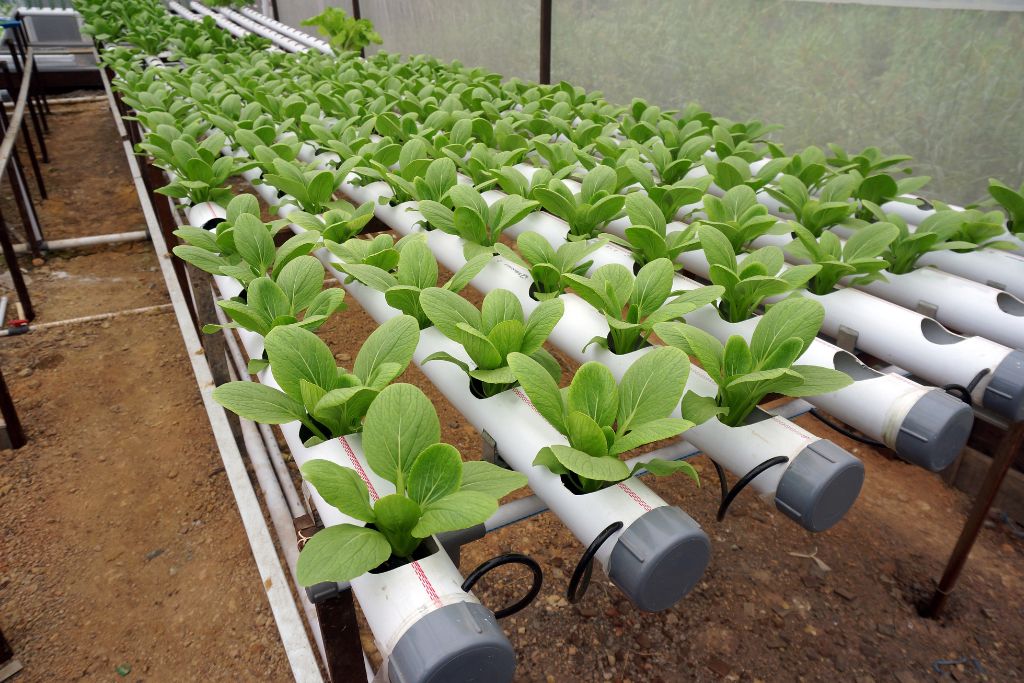
The Future of Farming: A Digital Revolution
In the digital age, farming is undergoing a transformation like never before. With the rise of technology and innovation, the future of farming looks promising and sustainable. One key aspect driving this change is the emergence of future farming websites.
Future farming websites serve as online platforms that offer a plethora of tools and resources to farmers, from small-scale growers to large agricultural enterprises. These websites provide valuable insights, data analytics, and solutions to enhance productivity, efficiency, and sustainability in agriculture.
Through these platforms, farmers can access real-time weather forecasts, soil health analysis, crop monitoring systems, and market trends. By utilising such information, farmers can make informed decisions that optimise their yield while minimising environmental impact.
Furthermore, future farming websites facilitate communication and collaboration among farmers worldwide. Farmers can share best practices, exchange ideas, and seek advice from experts in the field. This interconnectedness fosters a sense of community and enables continuous learning and improvement.
Another significant benefit of future farming websites is their contribution to sustainable agriculture practices. By promoting precision farming techniques, resource management strategies, and organic farming methods, these platforms empower farmers to adopt environmentally friendly approaches that preserve natural resources for future generations.
As we look ahead to the future of farming, it is clear that digitalisation will play a crucial role in shaping the agricultural landscape. Future farming websites are at the forefront of this revolution, offering innovative solutions that drive efficiency, productivity, and sustainability in agriculture.
Embracing this digital transformation is not just an option but a necessity for farmers looking to thrive in an ever-evolving industry. By harnessing the power of technology through future farming websites, farmers can pave the way for a more resilient and prosperous agricultural sector.
Empowering Farmers: Harnessing Technology for Sustainable and Efficient Future Farming
- Access to real-time weather forecasts for better planning
- Provides soil health analysis for improved crop management
- Enables crop monitoring systems for early detection of issues
- Offers market trend insights for strategic decision-making
- Facilitates communication and collaboration among farmers globally
- Promotes sustainable agriculture practices through innovative solutions
- Empowers farmers with tools to enhance productivity and efficiency
Challenges of Future Farming Websites: Navigating Technology Dependence, Costs, and Connectivity Issues
- Dependence on technology may lead to issues during technical failures.
- Initial setup costs for adopting and integrating new technologies can be high.
- Data privacy and security concerns regarding the collection and sharing of farm-related information.
- Limited access to reliable internet connectivity in rural areas may hinder the use of online platforms.
- Potential learning curve for farmers unfamiliar with digital tools and technologies.
- Risk of misinformation or inaccurate data provided by future farming websites.
- Lack of personalised support and guidance compared to traditional face-to-face interactions with agricultural experts.
Access to real-time weather forecasts for better planning
Access to real-time weather forecasts through future farming websites provides farmers with invaluable information for better planning and decision-making. By staying updated on current weather conditions, farmers can anticipate potential risks such as extreme temperatures, rainfall, or droughts that may impact their crops. This proactive approach allows farmers to adjust their planting schedules, irrigation practices, and pest management strategies accordingly, ultimately enhancing crop yields and minimising losses. Real-time weather data empowers farmers to make informed choices that optimise agricultural operations and promote sustainable farming practices in alignment with changing environmental conditions.
Provides soil health analysis for improved crop management
Future farming websites offer a valuable pro by providing soil health analysis for improved crop management. By utilising advanced technologies and data analytics, these platforms enable farmers to assess the quality and nutrient levels of their soil accurately. This information allows farmers to make informed decisions regarding fertilisation, irrigation, and crop selection, ultimately leading to enhanced productivity and sustainability in agricultural practices. The ability to access real-time soil health analysis through future farming websites empowers farmers to optimise their crop management strategies and promote healthier soil ecosystems for long-term success.
Enables crop monitoring systems for early detection of issues
Future farming websites provide a crucial advantage by enabling crop monitoring systems for early detection of issues. By utilising these systems, farmers can closely track the health and growth of their crops in real time, allowing them to identify potential problems such as pests, diseases, or nutrient deficiencies at the earliest stages. This proactive approach not only helps farmers take timely corrective measures to protect their crops but also enhances overall yield and quality by ensuring that issues are addressed promptly. The ability to monitor crops remotely through these digital platforms empowers farmers with valuable insights and data-driven decision-making capabilities that are essential for sustainable and efficient agricultural practices.
Offers market trend insights for strategic decision-making
Future farming websites offer valuable market trend insights that empower farmers to make strategic decisions with confidence. By providing real-time data and analysis on market dynamics, pricing trends, and consumer preferences, these platforms enable farmers to adapt their production strategies to meet changing demands effectively. Armed with this information, farmers can make informed decisions about crop selection, pricing strategies, and distribution channels, ultimately maximising their profitability and competitiveness in the market. The ability to access such critical market intelligence through future farming websites gives farmers a significant advantage in navigating the complexities of the agricultural industry and staying ahead of the curve.
Facilitates communication and collaboration among farmers globally
Future farming websites play a crucial role in facilitating communication and collaboration among farmers globally. By providing a platform for farmers to connect, share knowledge, and exchange ideas, these websites create a vibrant community that transcends geographical boundaries. This interconnectedness allows farmers to learn from each other’s experiences, access diverse perspectives, and stay updated on the latest trends and innovations in agriculture. Through collaborative efforts facilitated by future farming websites, farmers can work together towards sustainable practices, improved productivity, and a stronger agricultural sector worldwide.
Promotes sustainable agriculture practices through innovative solutions
Future farming websites play a pivotal role in promoting sustainable agriculture practices by offering innovative solutions that empower farmers to adopt eco-friendly approaches. These platforms provide valuable tools and resources that enable farmers to implement precision farming techniques, efficient resource management strategies, and organic farming methods. By incorporating cutting-edge technologies and data-driven insights, future farming websites not only enhance productivity and profitability but also contribute to the preservation of natural resources and the environment. Through their emphasis on sustainability, these websites are instrumental in driving positive change within the agricultural industry towards a more environmentally conscious future.
Empowers farmers with tools to enhance productivity and efficiency
Future farming websites empower farmers with a diverse range of tools and resources aimed at enhancing productivity and efficiency in agricultural practices. By providing access to real-time data, analytics, and innovative solutions, these platforms enable farmers to make informed decisions that optimise their yield while streamlining their operations. From crop monitoring systems to precision farming techniques, future farming websites equip farmers with the necessary tools to increase output, reduce waste, and ultimately improve their overall efficiency in the field.
Dependence on technology may lead to issues during technical failures.
Dependence on technology within future farming websites may pose a significant challenge when faced with technical failures. In the event of system malfunctions or disruptions, farmers relying heavily on these digital platforms could experience disruptions in crucial operations such as data analysis, monitoring, and decision-making processes. This overreliance on technology underscores the importance of implementing backup plans and contingency measures to mitigate the risks associated with potential technical failures, ensuring that farming activities can continue seamlessly even in the absence of digital support.
Initial setup costs for adopting and integrating new technologies can be high.
The main drawback of future farming websites lies in the considerable initial setup costs associated with adopting and integrating new technologies. While these platforms offer innovative solutions to enhance agricultural practices, the financial investment required to implement and incorporate advanced technologies can pose a significant barrier for many farmers. The high costs involved in purchasing equipment, software, and training programmes may deter some farmers from fully embracing the benefits of future farming websites, ultimately limiting their potential impact on improving productivity and sustainability in agriculture.
Data privacy and security concerns regarding the collection and sharing of farm-related information.
Data privacy and security concerns surrounding the collection and sharing of farm-related information pose a significant con of future farming websites. As farmers increasingly rely on digital platforms to access valuable data and insights, the risk of potential data breaches and unauthorized access to sensitive information becomes a pressing issue. The collection of detailed farm data, including crop yields, soil composition, and machinery usage, raises questions about who has access to this information and how it is being used. Ensuring robust data privacy measures and implementing stringent security protocols will be essential to address these concerns and safeguard farmers’ confidential data from potential cyber threats in the evolving landscape of digital agriculture.
Limited access to reliable internet connectivity in rural areas may hinder the use of online platforms.
Limited access to reliable internet connectivity in rural areas poses a significant challenge to the widespread adoption of future farming websites. The digital divide between urban and rural regions can hinder farmers’ ability to fully utilise online platforms for accessing crucial agricultural information and resources. Without consistent internet access, farmers in remote areas may struggle to benefit from real-time data, weather forecasts, and collaborative tools offered by future farming websites. This limitation underscores the importance of addressing infrastructural gaps to ensure that all farmers, regardless of their geographical location, can leverage the potential of digital technologies for sustainable agriculture practices.
Potential learning curve for farmers unfamiliar with digital tools and technologies.
Adapting to future farming websites may present a challenge for farmers who are unfamiliar with digital tools and technologies, leading to a potential learning curve. As agriculture becomes increasingly digitised, farmers may encounter difficulties in navigating complex online platforms, understanding data analytics, and utilising advanced farming technologies. Overcoming this obstacle requires investment in training and support to ensure that all farmers, regardless of their technological proficiency, can effectively harness the benefits offered by future farming websites.
Risk of misinformation or inaccurate data provided by future farming websites.
One significant con of future farming websites is the risk of misinformation or inaccurate data being provided to farmers. With the abundance of information available online, there is a possibility that some websites may not verify the accuracy of the data they present. Farmers relying on such unreliable information could make ill-informed decisions that negatively impact their crops, productivity, and overall farming practices. It is crucial for farmers to exercise caution and cross-check information from multiple sources to ensure they are making sound and informed choices for their agricultural operations.
Lack of personalised support and guidance compared to traditional face-to-face interactions with agricultural experts.
In the realm of future farming websites, a notable drawback is the potential lack of personalised support and guidance when compared to traditional face-to-face interactions with agricultural experts. While digital platforms offer a wealth of information and resources, they may fall short in providing the tailored advice and hands-on assistance that farmers often rely on from experienced professionals. The absence of direct human interaction can hinder the depth of understanding and personalised recommendations that are crucial in addressing unique farming challenges and fostering individual growth in agricultural practices.