
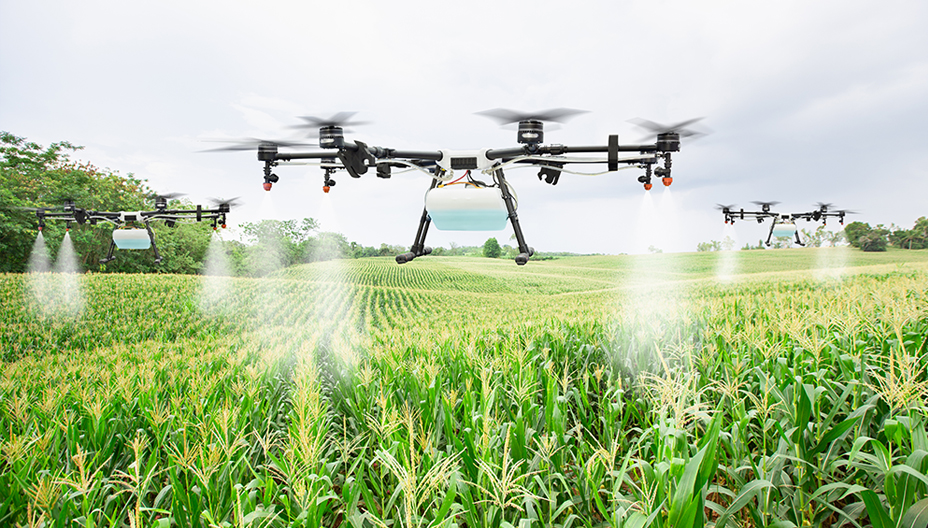
The Importance of Environmentally Sustainable Farming
Environmentally sustainable farming is a crucial practice that aims to preserve and protect our natural resources while ensuring the long-term viability of agricultural activities. By adopting sustainable farming methods, farmers can minimise their environmental impact, conserve biodiversity, and promote the health of ecosystems.
Key Principles of Environmentally Sustainable Farming
**Crop Rotation**: Rotating crops helps maintain soil fertility, reduces pest infestations, and prevents soil erosion.
**Water Conservation**: Implementing efficient irrigation systems and water management practices can help conserve water resources and reduce water wastage.
**Integrated Pest Management**: By using natural predators, crop rotation, and resistant plant varieties, farmers can control pests without relying on harmful chemicals.
The Benefits of Environmentally Sustainable Farming
**Preservation of Soil Health**: Sustainable farming practices help prevent soil degradation and erosion, maintaining soil fertility for future generations.
**Reduced Environmental Impact**: By minimising the use of synthetic fertilisers and pesticides, sustainable farming reduces pollution and protects water sources.
**Biodiversity Conservation**: Supporting diverse ecosystems on farms promotes the health of pollinators, beneficial insects, and wildlife populations.
Conclusion
Environmentally sustainable farming is not just a choice; it is a necessity for the future of agriculture and our planet. By embracing sustainable practices, farmers can contribute to a healthier environment, improved food security, and a more resilient agricultural sector.
Understanding Environmentally Sustainable Farming: Key Questions Answered
- What is environmental sustainability in agriculture?
- What farming method is the most environmentally friendly?
- What is the most sustainable farming?
- Which would be the best example of sustainable farming?
- Is intensive farming environmentally sustainable?
- What is environmental sustainable agriculture?
What is environmental sustainability in agriculture?
Environmental sustainability in agriculture refers to the practice of cultivating crops and raising livestock in a way that meets the needs of the present without compromising the ability of future generations to meet their own needs. It involves implementing farming methods that minimise negative impacts on the environment, conserve natural resources, and maintain ecological balance. By prioritising sustainable practices such as crop rotation, water conservation, and integrated pest management, farmers can ensure the long-term health of ecosystems while supporting food production for current and future populations.
What farming method is the most environmentally friendly?
When considering environmentally sustainable farming, the question of which farming method is the most environmentally friendly often arises. While there is no one-size-fits-all answer to this question, agroecology is widely recognised as a farming approach that prioritises environmental sustainability. Agroecology focuses on creating synergies between ecological processes and agricultural production, emphasising biodiversity, soil health, and natural resource conservation. By integrating traditional knowledge with modern techniques, agroecological practices promote resilience in farming systems and contribute to long-term environmental health. Ultimately, the choice of the most environmentally friendly farming method may vary depending on specific contexts and goals, but embracing principles of agroecology can be a significant step towards sustainable agriculture.
What is the most sustainable farming?
When considering the question of what constitutes the most sustainable farming practices, it is essential to recognise that sustainability in agriculture encompasses a range of factors. The most sustainable farming methods often involve a holistic approach that prioritises soil health, biodiversity conservation, efficient water management, and minimal environmental impact. Practices such as organic farming, agroforestry, permaculture, and regenerative agriculture are commonly regarded as highly sustainable due to their focus on long-term ecological balance and resilience. By integrating these principles into agricultural systems, farmers can promote sustainability by nurturing ecosystems, reducing reliance on synthetic inputs, and fostering biodiversity for a more resilient and productive future.
Which would be the best example of sustainable farming?
When considering the best example of sustainable farming, an integrated approach that combines various eco-friendly practices is often seen as the most effective. This may include techniques such as crop rotation, cover cropping, agroforestry, integrated pest management, and water conservation methods. By implementing a holistic system that considers the health of the soil, biodiversity conservation, and resource efficiency, farmers can create a sustainable farming model that benefits both the environment and future generations.
Is intensive farming environmentally sustainable?
Intensive farming, characterised by high input levels and maximised output, raises concerns about its long-term environmental sustainability. While intensive farming can boost productivity to meet growing food demands, it often relies heavily on chemical inputs, monoculture practices, and large-scale machinery that can degrade soil health, reduce biodiversity, and contribute to water pollution. The intensive use of fertilisers and pesticides may lead to nutrient runoff and contamination of water sources. Additionally, the reliance on monoculture crops can increase vulnerability to pests and diseases. Therefore, while intensive farming may provide short-term benefits in terms of yield efficiency, its long-term environmental impact raises questions about its overall sustainability in preserving ecosystems and natural resources for future generations.
What is environmental sustainable agriculture?
Environmental sustainable agriculture, also known as sustainable farming, refers to a method of agricultural production that aims to meet the current needs of food production while preserving and enhancing the environment for future generations. It involves practices that minimise negative impacts on ecosystems, promote biodiversity, conserve natural resources like soil and water, and reduce reliance on synthetic inputs such as pesticides and fertilisers. Environmental sustainable agriculture seeks to create a balance between economic viability, social equity, and environmental stewardship to ensure the long-term health and productivity of agricultural systems.