
Agriculture Qualifications: Paving the Way for a Sustainable Future
As the world faces increasing challenges in food security and environmental sustainability, the role of qualified professionals in agriculture has never been more crucial. Agriculture qualifications equip individuals with the knowledge and skills needed to address complex issues in farming, agribusiness, and sustainable land management.
Types of Agriculture Qualifications
There are various levels of agriculture qualifications available to suit different career paths and interests:
- Certificate/Diploma: Entry-level qualifications that provide foundational knowledge in agriculture practices and principles.
- Bachelor’s Degree: A comprehensive undergraduate programme covering various aspects of agriculture, such as crop production, animal husbandry, agricultural economics, and sustainable farming.
- Master’s Degree: An advanced degree focusing on specialised areas within agriculture, including agronomy, horticulture, agribusiness management, or agricultural engineering.
- PhD: For those interested in research and academia, a PhD in agriculture allows individuals to delve deep into specific agricultural topics and contribute to cutting-edge advancements in the field.
The Importance of Agriculture Qualifications
Agriculture qualifications not only provide individuals with technical expertise but also instil critical thinking skills, problem-solving abilities, and a deep understanding of sustainability practices. Qualified professionals in agriculture play a vital role in:
- Promoting sustainable farming methods to preserve natural resources and mitigate environmental degradation.
- Developing innovative solutions to increase crop yields, improve livestock health, and enhance food production efficiency.
- Navigating complex agricultural policies and regulations to ensure compliance and promote ethical practices within the industry.
- Educating communities about the importance of sustainable agriculture practices and fostering a culture of environmental stewardship.
Career Opportunities in Agriculture
With an agriculture qualification, individuals can pursue diverse career opportunities across various sectors:
- Agricultural Scientist
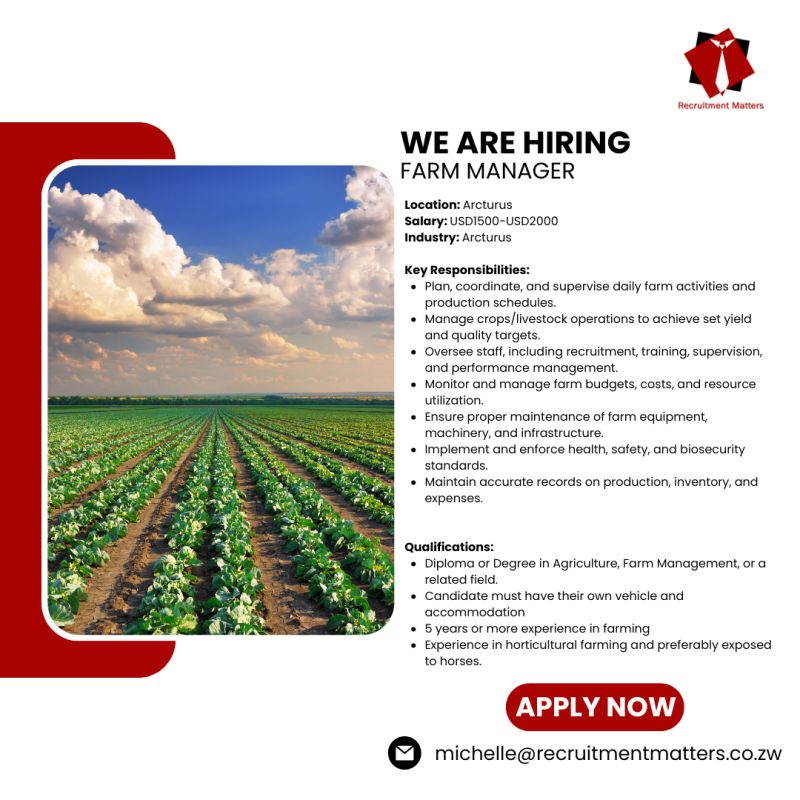
- Farm Manager
- What qualifications are needed to work in agriculture?
- Are there specific courses for sustainable agriculture qualifications?
- How do I become a certified agronomist?
- What career paths can I pursue with an agriculture degree?
- Are online agriculture courses recognised in the industry?
- Do agricultural qualifications include practical training?
…
Exploring Agriculture Qualifications: FAQs on Courses, Careers, and Certification
What qualifications are needed to work in agriculture?
To work in agriculture, the qualifications needed may vary depending on the specific role and level of expertise required. Generally, a combination of formal education and practical experience is beneficial for individuals pursuing a career in agriculture. Entry-level positions may require a certificate or diploma in agriculture, providing foundational knowledge of farming practices. For more advanced roles, a bachelor’s degree in agriculture or a related field can offer comprehensive training in crop production, animal husbandry, agribusiness management, and sustainable farming methods. Specialised positions or research opportunities may necessitate a master’s degree or PhD to delve deeper into specific agricultural areas and contribute to innovative advancements in the industry. Ultimately, a passion for agriculture, coupled with relevant qualifications and experience, can open doors to fulfilling careers in this vital sector.
Are there specific courses for sustainable agriculture qualifications?
In response to the frequently asked question about specific courses for sustainable agriculture qualifications, many educational institutions offer specialised programmes focusing on sustainable agriculture practices. These courses are designed to equip students with the knowledge and skills necessary to address environmental challenges, promote resource conservation, and enhance agricultural sustainability. Topics covered in such courses may include organic farming methods, agroecology, permaculture principles, sustainable crop management, and ecosystem conservation. By enrolling in these dedicated programmes, individuals can gain a deeper understanding of sustainable agriculture and contribute to building a more resilient and environmentally conscious food production system.
How do I become a certified agronomist?
To become a certified agronomist, individuals typically need to pursue a relevant academic qualification, such as a degree in agronomy or a related field. Specialised courses in soil science, crop management, pest control, and sustainable agriculture are often required to develop the necessary expertise. Additionally, gaining practical experience through internships or work placements in agricultural settings can be beneficial. After completing the educational requirements, aspiring agronomists may need to pass certification exams or obtain professional accreditation from recognised agricultural organisations to demonstrate their competency in the field. Continuous learning and staying updated on the latest advancements in agronomy are essential for maintaining certification and excelling as a qualified agronomist.
What career paths can I pursue with an agriculture degree?
Exploring career paths with an agriculture degree opens up a diverse range of opportunities in the agricultural sector. Graduates can pursue roles such as agricultural scientist, farm manager, agronomist, agricultural consultant, livestock specialist, crop researcher, agricultural economist, food technologist, sustainability officer, and rural development specialist. These career paths allow individuals to contribute to sustainable farming practices, innovative agricultural technologies, food security initiatives, environmental conservation efforts, and community development projects. With an agriculture degree, individuals have the flexibility to choose from a variety of rewarding professions that align with their interests and values in promoting a more sustainable and resilient agricultural industry.
Are online agriculture courses recognised in the industry?
Online agriculture courses have gained recognition in the industry as valuable sources of knowledge and skills. While traditional agricultural education has long been the norm, online courses are increasingly being acknowledged for their flexibility and accessibility. Many reputable institutions offer online agriculture programmes that are designed to meet industry standards and provide practical training in various agricultural disciplines. Employers in the agriculture sector are increasingly accepting candidates with online qualifications, recognising the importance of continuous learning and adaptability in a rapidly evolving industry. However, it is essential for individuals considering online agriculture courses to ensure that the programme is accredited and aligns with industry requirements to maximise its recognition and relevance in the field.
Do agricultural qualifications include practical training?
Agricultural qualifications often include practical training as a fundamental component of the curriculum. Practical training plays a crucial role in equipping students with hands-on experience in agricultural practices, farm management, and fieldwork. By integrating practical elements into the educational programme, agricultural qualifications ensure that students not only acquire theoretical knowledge but also develop essential skills for real-world application. This hands-on training allows learners to gain valuable experience working with crops, livestock, machinery, and agricultural technologies, preparing them for successful careers in the dynamic field of agriculture.