
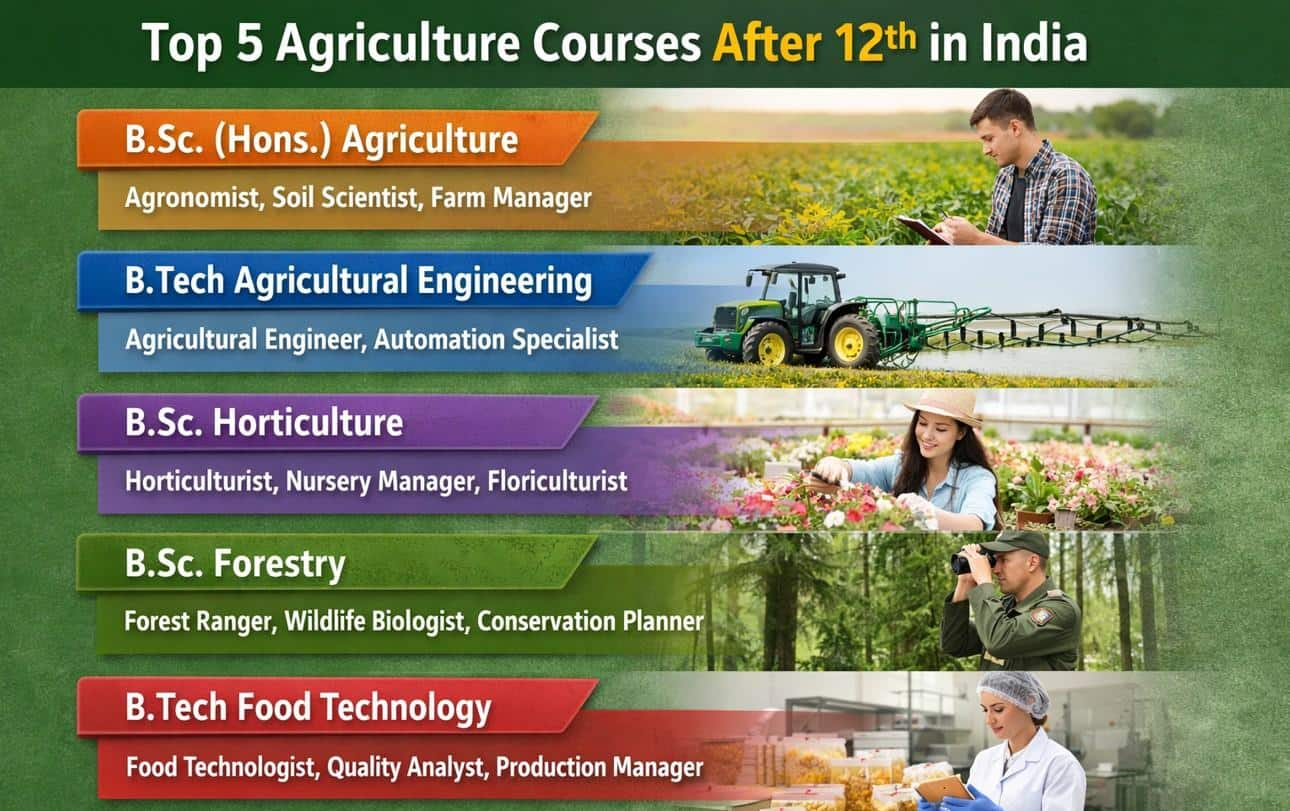
The Future of Agriculture: Agricultural Engineering Online Courses
In today’s rapidly evolving agricultural landscape, the demand for skilled professionals who can harness technology to improve farming practices is on the rise. Agricultural engineering online courses offer a convenient and accessible way for individuals to acquire the knowledge and skills needed to thrive in this dynamic field.
Benefits of Agricultural Engineering Online Courses
Online courses in agricultural engineering provide students with a comprehensive understanding of the principles and practices that drive modern agriculture. Participants learn how to design and implement innovative solutions to enhance crop production, manage resources efficiently, and address environmental challenges.
Some key benefits of enrolling in agricultural engineering online courses include:
- Flexibility: Students can access course materials and lectures at their convenience, allowing them to balance their studies with other commitments.
- Expert Instruction: Courses are often taught by experienced professionals in the field, providing students with valuable insights and practical knowledge.
- Hands-On Learning: Many online courses incorporate practical assignments and projects that allow students to apply their learning in real-world scenarios.
- Networking Opportunities: Online platforms enable students to connect with peers and industry experts from around the world, fostering collaboration and knowledge sharing.
- Career Advancement: By acquiring specialised skills in agricultural engineering, individuals can enhance their career prospects and pursue rewarding opportunities in various sectors of the agriculture industry.
Topics Covered in Agricultural Engineering Online Courses
Agricultural engineering online courses cover a wide range of topics designed to equip students with the expertise needed to tackle complex agricultural challenges. Some common areas of study include:
- Agri-Business Management
- Sustainable Agriculture Practices
- Precision Farming Technologies
- Irrigation Systems Design
- Bioenergy Production
- Food Processing Technologies
- Flexible study schedules allow students to learn at their own pace
- Access to expert instruction from experienced professionals in the field
- Opportunities for hands-on learning through practical assignments and projects
- Networking with peers and industry experts worldwide to foster collaboration
- Enhanced career prospects by acquiring specialised skills in agricultural engineering
- Convenient access to course materials from anywhere with an internet connection
- Ability to balance studies with work or other commitments due to online format
- Limited Hands-On Experience
- Limited Interaction
- Technical Challenges
- Lack of Personalised Feedback
- Time Management
- Limited Networking Opportunities
- Accreditation Concerns
<...
Unlocking Opportunities: The Top 7 Advantages of Online Agricultural Engineering Courses
Challenges of Online Agricultural Engineering Courses: Addressing Limitations and Concerns
Flexible study schedules allow students to learn at their own pace
Flexible study schedules offered by agricultural engineering online courses empower students to learn at their own pace, accommodating their individual needs and responsibilities. This pro enables learners to balance their educational pursuits with work, family commitments, or other engagements. By having the freedom to set their study hours and progress through course materials at a comfortable speed, students can optimise their learning experience and retain information more effectively. The flexibility in study schedules promotes a conducive environment for self-paced learning, fostering a sense of autonomy and empowerment among aspiring agricultural engineers.
Access to expert instruction from experienced professionals in the field
Access to expert instruction from experienced professionals in the field is a significant advantage of agricultural engineering online courses. By enrolling in these courses, students have the opportunity to learn from seasoned professionals who bring real-world insights and practical knowledge to the virtual classroom. This direct interaction with experts allows learners to gain valuable industry perspectives, stay updated on current trends and best practices, and benefit from the wealth of experience that instructors bring to the table. Ultimately, access to expert instruction enhances the quality of education and equips students with the skills and expertise needed to excel in the field of agricultural engineering.
Opportunities for hands-on learning through practical assignments and projects
A significant advantage of agricultural engineering online courses is the provision of opportunities for hands-on learning through practical assignments and projects. By engaging in these activities, students can apply theoretical knowledge to real-world scenarios, gaining valuable practical experience in the field of agricultural engineering. This hands-on approach not only enhances understanding but also cultivates essential skills that are crucial for success in the industry, allowing learners to develop problem-solving abilities and critical thinking skills while actively participating in meaningful projects that reflect the challenges faced by modern agriculture.
Networking with peers and industry experts worldwide to foster collaboration
Networking with peers and industry experts worldwide is a significant advantage of agricultural engineering online courses. By connecting with professionals from diverse backgrounds and regions, students have the opportunity to collaborate, share ideas, and gain insights into global agricultural practices. This networking not only enhances learning but also opens doors to potential partnerships and career opportunities in the agriculture industry on a global scale. The exchange of knowledge and experiences among participants fosters a dynamic learning environment that encourages innovation and promotes sustainable solutions in agriculture.
Enhanced career prospects by acquiring specialised skills in agricultural engineering
By enrolling in agricultural engineering online courses, individuals can significantly enhance their career prospects by acquiring specialised skills in this field. These courses provide students with in-depth knowledge and practical expertise that are highly sought after in the agriculture industry. By mastering advanced techniques and technologies through online learning, individuals can differentiate themselves in the job market and access a wide range of rewarding career opportunities. The specialised skills gained from agricultural engineering online courses not only increase employability but also pave the way for professional growth and success in various sectors of the agricultural sector.
Convenient access to course materials from anywhere with an internet connection
Convenient access to course materials from anywhere with an internet connection is a significant advantage of agricultural engineering online courses. This flexibility enables students to study at their own pace and convenience, eliminating the constraints of traditional classroom settings. Whether accessing lectures from home, a coffee shop, or even while travelling, learners can engage with course content whenever and wherever they choose, making education more accessible and adaptable to individual schedules and lifestyles.
Ability to balance studies with work or other commitments due to online format
One significant advantage of agricultural engineering online courses is the flexibility they offer, allowing students to effectively balance their studies with work or other commitments. The online format enables learners to access course materials at their convenience, eliminating the need to adhere to strict schedules. This flexibility empowers individuals to pursue further education in agricultural engineering without compromising on their existing responsibilities, making it a convenient and accessible option for those looking to enhance their skills and knowledge in the field.
Limited Hands-On Experience
Online courses in agricultural engineering may present a significant drawback in the form of limited hands-on experience. While theoretical knowledge is crucial, the absence of practical, hands-on training can hinder students’ ability to fully grasp and apply certain agricultural engineering skills. Practical experience plays a vital role in reinforcing theoretical concepts and developing proficiency in handling real-world challenges encountered in agricultural practices. Without hands-on training, students may face limitations in their practical skills development, potentially impacting their readiness to tackle complex issues in the field of agricultural engineering.
Limited Interaction
Limited Interaction is a notable con of agricultural engineering online courses as students may find themselves with restricted chances for face-to-face engagement with instructors and peers. This lack of direct interaction can impede collaborative learning, as the exchange of ideas, feedback, and group discussions that often occur in traditional classroom settings may be limited in an online environment. Building relationships and fostering teamwork can be challenging when communication is primarily conducted through digital platforms, potentially hindering the depth of learning and engagement that can be achieved through personal interactions.
Technical Challenges
Technical Challenges pose a significant con for agricultural engineering online courses. Issues like unreliable internet connections or computer malfunctions can disrupt the seamless flow of learning, causing frustration and hindering students’ progress. These technical hurdles may lead to missed lectures, incomplete assignments, or difficulty in accessing course materials, ultimately affecting the overall learning experience and potentially impacting the quality of education received. Addressing and overcoming these technical challenges is crucial to ensure that students can fully benefit from the online learning environment and acquire the necessary skills in agricultural engineering effectively.
Lack of Personalised Feedback
In the realm of agricultural engineering online courses, a notable drawback is the lack of personalised feedback. Owing to the considerable volume of students participating in online learning platforms, the provision of tailored feedback on assignments and projects can be constrained. This limitation may hinder students’ ability to receive specific guidance and constructive criticism essential for their academic and professional development. The absence of individualised feedback could potentially impede students’ progress in honing their skills and applying theoretical knowledge to practical scenarios effectively.
Time Management
Balancing online coursework with other responsibilities can be challenging for students enrolled in agricultural engineering online courses. The need to manage study time alongside work, family commitments, and personal activities demands a high level of self-discipline and effective time management skills. Without structured schedules and in-person classes to provide routine, students must proactively allocate time for studying, completing assignments, and participating in online discussions. Failure to effectively manage time can lead to stress, falling behind in coursework, and ultimately hinder the overall learning experience.
Limited Networking Opportunities
One significant drawback of agricultural engineering online courses is the limited networking opportunities they provide. Unlike traditional classroom settings where students can interact face-to-face with peers and instructors, online courses may lack the same level of personal connection and networking avenues. This limitation could potentially hinder students’ ability to build professional relationships, collaborate on projects, and access industry contacts that are vital for advancing their career prospects in the agricultural engineering field.
Accreditation Concerns
Accreditation Concerns: Some employers may question the credibility of online courses in agricultural engineering compared to traditional degrees from accredited institutions. While online courses offer flexibility and accessibility, the lack of accreditation can raise doubts about the quality and validity of the education received. Employers may prefer candidates with degrees from recognised institutions to ensure that they have received a rigorous and comprehensive education in agricultural engineering. Addressing accreditation concerns by choosing reputable online courses or seeking additional certifications can help individuals demonstrate their competence and expertise in the field to potential employers.