
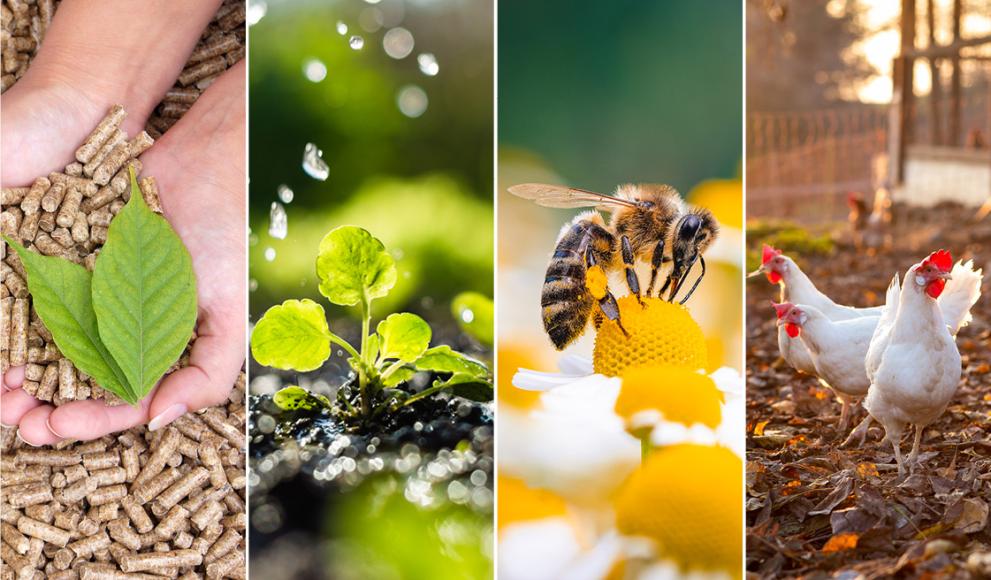
The Future of Farming: Advanced Eco Agriculture
In recent years, the agricultural industry has been undergoing a transformation towards more sustainable and eco-friendly practices. Advanced eco agriculture represents a cutting-edge approach to farming that prioritises environmental conservation, resource efficiency, and long-term sustainability.
One key aspect of advanced eco agriculture is the integration of technology into farming practices. From precision farming techniques that use data analytics and sensors to monitor crop health and optimise irrigation, to automated systems that reduce waste and improve efficiency, technology plays a crucial role in modernising agriculture.
Another important component of advanced eco agriculture is the emphasis on organic and natural farming methods. By reducing the use of synthetic pesticides and fertilisers, farmers can protect soil health, biodiversity, and water quality. Crop rotation, cover cropping, and companion planting are just some of the techniques used to enhance soil fertility and minimise environmental impact.
Furthermore, advanced eco agriculture promotes the concept of agroforestry – integrating trees into agricultural landscapes to provide multiple benefits such as carbon sequestration, biodiversity conservation, and improved microclimate regulation. Agroforestry systems not only increase resilience to climate change but also offer additional sources of income for farmers through timber production or agroecological products.
Overall, advanced eco agriculture represents a holistic approach to farming that seeks to balance economic viability with environmental stewardship. By adopting sustainable practices, harnessing technological innovations, and embracing natural solutions, farmers can create a more resilient and regenerative food system for future generations.
Advanced Eco Agriculture: Six Essential Tips for Sustainable Farming Practices
- Implement precision farming techniques to optimise resource usage.
- Utilise crop rotation and cover cropping methods for soil health.
- Integrate agroforestry practices to enhance biodiversity on the farm.
- Invest in renewable energy sources like solar panels or wind turbines.
- Use natural pest control methods such as beneficial insects and companion planting.
- Explore water-saving irrigation systems like drip irrigation or rainwater harvesting.
Implement precision farming techniques to optimise resource usage.
Implementing precision farming techniques is a key strategy in advancing eco agriculture practices. By harnessing data analytics and sensor technology, farmers can monitor crop conditions in real-time and make informed decisions to optimise resource usage such as water, fertilisers, and pesticides. Precision farming not only enhances efficiency and productivity but also minimises environmental impact by reducing waste and improving sustainability. Embracing these innovative techniques allows farmers to cultivate crops more effectively while preserving natural resources for future generations.
Utilise crop rotation and cover cropping methods for soil health.
Utilising crop rotation and cover cropping methods is a fundamental tip in advanced eco agriculture to enhance soil health. Crop rotation involves planting different crops in succession on the same land to prevent soil depletion and control pests naturally. Cover cropping involves planting specific crops during off-seasons to protect the soil from erosion, improve its structure, and increase organic matter content. These practices not only maintain soil fertility but also promote biodiversity, reduce the need for synthetic inputs, and contribute to sustainable farming systems that benefit both the environment and crop yields in the long run.
Integrate agroforestry practices to enhance biodiversity on the farm.
Integrating agroforestry practices is a valuable tip in advanced eco agriculture as it offers a sustainable way to enhance biodiversity on the farm. By planting trees alongside crops, farmers can create diverse habitats that support a variety of plant and animal species. This not only promotes natural pest control and pollination but also improves soil health and water retention. Agroforestry systems contribute to the overall resilience of the farm ecosystem, providing multiple benefits while reducing environmental impact.
Invest in renewable energy sources like solar panels or wind turbines.
Investing in renewable energy sources such as solar panels or wind turbines is a key tip in advancing eco agriculture practices. By harnessing the power of nature, farmers can reduce their reliance on fossil fuels and lower their carbon footprint. Solar panels and wind turbines provide clean, sustainable energy that can help power farm operations while minimising environmental impact. Embracing renewable energy not only promotes self-sufficiency but also contributes to a more environmentally friendly and economically viable farming model for the future.
Use natural pest control methods such as beneficial insects and companion planting.
In advanced eco agriculture, utilising natural pest control methods like beneficial insects and companion planting is a key tip for sustainable farming practices. By introducing beneficial insects that prey on harmful pests, farmers can reduce the need for chemical pesticides and maintain a balanced ecosystem within their fields. Companion planting involves strategically growing compatible plant species together to deter pests, attract beneficial insects, and improve overall crop health. These natural approaches not only help protect crops from damage but also contribute to biodiversity conservation and long-term environmental sustainability in agriculture.
Explore water-saving irrigation systems like drip irrigation or rainwater harvesting.
For those looking to enhance their eco-friendly farming practices, exploring water-saving irrigation systems such as drip irrigation or rainwater harvesting can be a game-changer. Drip irrigation delivers water directly to the roots of plants, reducing water wastage and promoting efficient use of resources. On the other hand, rainwater harvesting allows farmers to collect and store rainwater for later use, decreasing reliance on traditional water sources and conserving precious freshwater supplies. By incorporating these innovative techniques into their farming operations, individuals can contribute to sustainable agriculture while maximising crop yield and minimising environmental impact.