
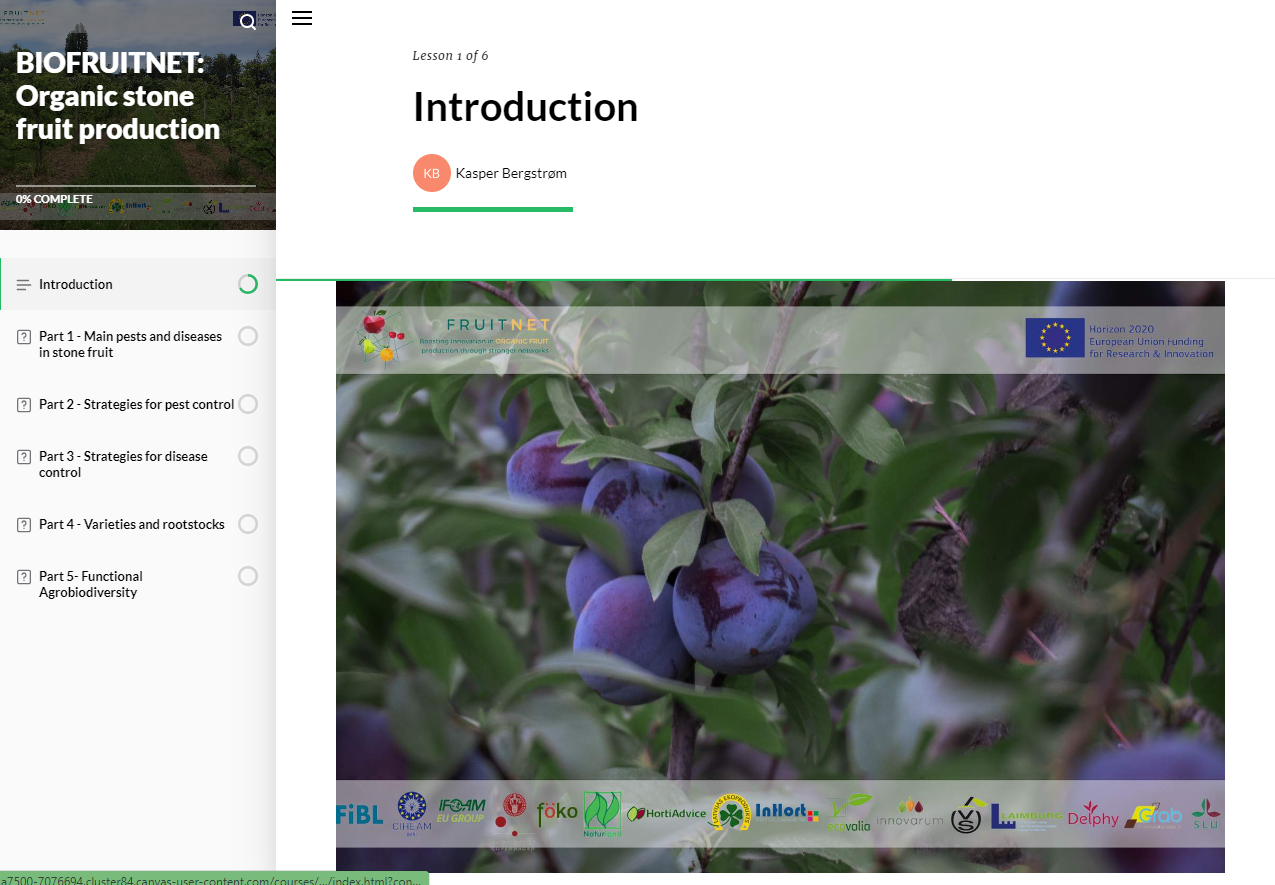
The Benefits of Organic Farming Distance Learning Courses
Organic farming has gained significant popularity in recent years due to its focus on sustainability, environmental protection, and producing healthy food. For individuals interested in learning about organic farming but unable to attend traditional classes, distance learning courses offer a flexible and convenient alternative.
Flexibility and Convenience
One of the key advantages of organic farming distance learning courses is the flexibility they provide. Students can access course materials, lectures, and assignments online from anywhere with an internet connection. This flexibility allows individuals to study at their own pace and fit their learning around other commitments such as work or family responsibilities.
Access to Expertise
Distance learning courses in organic farming are often developed and delivered by experts in the field. Students have the opportunity to learn from experienced farmers, researchers, and industry professionals who can provide valuable insights and practical knowledge about sustainable agricultural practices.
Practical Skills Development
Despite being conducted remotely, many organic farming distance learning courses include practical components that allow students to apply their knowledge in real-world scenarios. Whether through virtual farm simulations, online workshops, or hands-on projects, students can develop the necessary skills to succeed in organic farming.
Networking Opportunities
Distance learning courses also offer networking opportunities for students to connect with peers, instructors, and industry professionals from around the world. Through online forums, discussion boards, and virtual events, students can engage in meaningful discussions, share experiences, and build relationships within the organic farming community.
The Future of Sustainable Agriculture
As interest in sustainable agriculture continues to grow, organic farming distance learning courses play a crucial role in educating and empowering individuals to make a positive impact on the environment and food production systems. By providing accessible education and fostering a global community of like-minded individuals, these courses contribute to the advancement of sustainable agriculture practices worldwide.
9 Essential Tips for Choosing the Right Organic Farming Distance Learning Course
- Look for accredited courses from reputable institutions.
- Consider the course curriculum and ensure it covers a wide range of topics in organic farming.
- Check if the course offers practical hands-on experience or internships.
- Read reviews or testimonials from previous students to gauge the quality of the course.
- Ensure the course fits your schedule and can be completed at your own pace.
- Compare costs of different courses and consider any financial aid options available.
- Stay updated on current trends and advancements in organic farming practices.
- Engage with online forums or discussion groups to connect with other students and industry professionals.
- Set clear goals for what you want to achieve through the course and stay motivated throughout.
Look for accredited courses from reputable institutions.
When considering organic farming distance learning courses, it is advisable to seek out accredited programmes offered by reputable institutions. Accreditation ensures that the course meets certain quality standards and is recognised within the industry. By choosing a course from a respected institution, students can have confidence in the credibility and relevance of the content they will be learning. Additionally, accredited courses may provide better opportunities for networking, career advancement, and further education in the field of organic farming.
Consider the course curriculum and ensure it covers a wide range of topics in organic farming.
When exploring organic farming distance learning courses, it is essential to consider the course curriculum and ensure that it encompasses a diverse range of topics related to organic farming. A comprehensive curriculum should cover areas such as sustainable agriculture practices, soil health management, crop rotation techniques, pest and disease control methods, organic certification standards, and marketing strategies for organic produce. By selecting a course with a broad scope of subjects, students can gain a well-rounded understanding of organic farming principles and acquire the knowledge and skills needed to thrive in the field of sustainable agriculture.
Check if the course offers practical hands-on experience or internships.
When considering enrolling in organic farming distance learning courses, it is essential to check if the course provides practical hands-on experience or internship opportunities. Practical application of theoretical knowledge is crucial in organic farming education as it allows students to gain valuable skills and insights that can be applied in real-world farming scenarios. Internships provide the chance to work alongside experienced professionals, further enhancing learning outcomes and preparing students for success in the field of sustainable agriculture. By ensuring that the course includes practical components, individuals can maximise their learning experience and develop the necessary expertise to thrive in organic farming practices.
Read reviews or testimonials from previous students to gauge the quality of the course.
When considering enrolling in organic farming distance learning courses, it is advisable to read reviews or testimonials from previous students to assess the course’s quality and effectiveness. Feedback from individuals who have completed the course can provide valuable insights into the teaching methods, course content, support services, and overall learning experience. By taking the time to review testimonials, prospective students can make informed decisions and ensure that they choose a course that aligns with their learning goals and expectations.
Ensure the course fits your schedule and can be completed at your own pace.
When considering enrolling in organic farming distance learning courses, it is essential to ensure that the course aligns with your schedule and allows for self-paced learning. By selecting a course that accommodates your availability and learning style, you can maximise your educational experience and effectively balance your studies with other commitments. This flexibility not only enhances your understanding of organic farming practices but also enables you to progress at a comfortable pace, ultimately leading to a more fulfilling and successful learning journey.
Compare costs of different courses and consider any financial aid options available.
When exploring organic farming distance learning courses, it is advisable to compare the costs of various programmes and carefully evaluate the value they offer. Additionally, prospective students should consider any financial aid options available to make their education more affordable. By researching and comparing course fees, potential scholarships, grants, or other financial assistance opportunities, individuals can make informed decisions that align with their budget and educational goals. It is important to weigh the cost of the course against the quality of education and support provided to ensure a worthwhile investment in one’s organic farming journey.
Stay updated on current trends and advancements in organic farming practices.
To maximise the benefits of organic farming distance learning courses, it is essential to stay updated on current trends and advancements in organic farming practices. By keeping abreast of the latest developments in sustainable agriculture, students can enhance their knowledge, adapt to industry changes, and incorporate innovative techniques into their farming methods. This proactive approach not only enriches the learning experience but also equips individuals with the skills and insights needed to thrive in the ever-evolving field of organic farming.
Engage with online forums or discussion groups to connect with other students and industry professionals.
Engaging with online forums or discussion groups is a valuable tip for individuals enrolled in organic farming distance learning courses. By actively participating in these virtual platforms, students can connect with fellow learners and industry professionals, sharing insights, experiences, and knowledge about sustainable agricultural practices. These online interactions not only foster a sense of community but also provide opportunities for networking, collaboration, and gaining diverse perspectives within the organic farming industry. By engaging in discussions and forums, students can enhance their learning experience and build valuable connections that may benefit them throughout their careers in organic farming.
Set clear goals for what you want to achieve through the course and stay motivated throughout.
Setting clear goals for what you aim to achieve through an organic farming distance learning course is essential for staying motivated and focused. By outlining specific objectives, such as acquiring knowledge in sustainable farming practices, developing practical skills, or expanding your network within the agricultural community, you can maintain a sense of purpose and direction throughout the course. Clear goals not only help you track your progress but also serve as a constant reminder of the benefits and outcomes you are working towards, ultimately keeping your motivation levels high and ensuring a rewarding learning experience.