
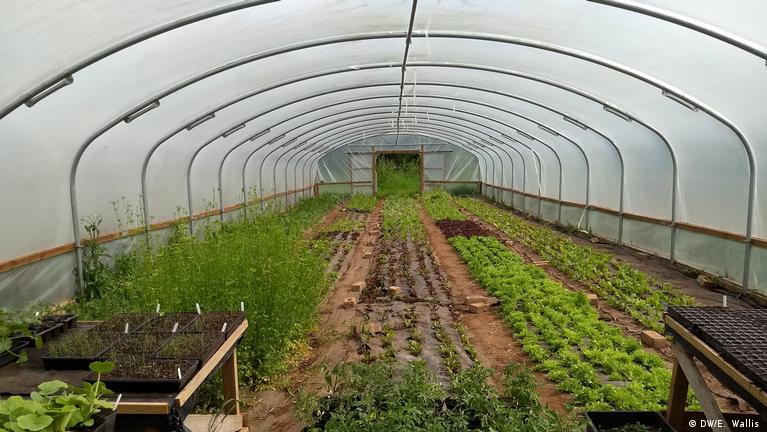
The Future of Agriculture: Sustainable Greenhouse Farming
Greenhouse farming has emerged as a key player in sustainable agriculture, offering numerous benefits for both the environment and food production. By utilising controlled environments to cultivate crops, greenhouse farming presents innovative solutions to traditional farming challenges.
Environmental Benefits
One of the primary advantages of greenhouse farming is its reduced environmental impact. By controlling factors such as temperature, humidity, and light exposure, greenhouses minimise the need for chemical pesticides and fertilisers. This not only protects the surrounding ecosystem but also promotes healthier produce for consumers.
Year-Round Production
Greenhouse farming enables year-round crop production by shielding plants from adverse weather conditions. This consistent output helps meet consumer demand regardless of seasonal fluctuations, ensuring a stable food supply throughout the year.
Water Efficiency
Through advanced irrigation systems and water recycling techniques, greenhouse farming promotes efficient water usage. By minimising water wastage and optimising irrigation schedules, greenhouses significantly reduce water consumption compared to traditional open-field agriculture.
Enhanced Crop Quality
The controlled environment within greenhouses allows farmers to monitor and adjust growing conditions to maximise crop quality. Factors such as light intensity, temperature, and nutrient levels can be finely tuned to produce healthier, more vibrant plants with higher nutritional value.
Sustainable Practices
Sustainable greenhouse farming emphasises eco-friendly practices such as organic pest control methods, renewable energy sources, and waste reduction strategies. By adopting these sustainable principles, greenhouse farmers contribute to a more environmentally conscious agricultural industry.
Conclusion
Sustainable greenhouse farming represents a promising future for agriculture by combining innovation with environmental stewardship. As we strive towards a more sustainable food system, embracing the benefits of greenhouse cultivation can lead us towards a greener and more prosperous future.
Five Essential Tips for Sustainable Greenhouse Farming
- Utilise renewable energy sources such as solar panels to power greenhouse operations.
- Implement water-saving techniques like drip irrigation systems to reduce water consumption.
- Use organic and locally sourced fertilizers to promote soil health and minimise environmental impact.
- Introduce beneficial insects for natural pest control instead of relying on chemical pesticides.
- Practice crop rotation and companion planting to maintain soil fertility and biodiversity.
Utilise renewable energy sources such as solar panels to power greenhouse operations.
By utilising renewable energy sources such as solar panels to power greenhouse operations, farmers can significantly reduce their carbon footprint and promote sustainability in agriculture. Harnessing the power of the sun not only decreases reliance on non-renewable energy sources but also helps lower operating costs in the long run. Integrating solar panels into greenhouse operations demonstrates a commitment to environmental responsibility and sets a positive example for adopting eco-friendly practices in farming.
Implement water-saving techniques like drip irrigation systems to reduce water consumption.
Implementing water-saving techniques such as drip irrigation systems is a crucial step in sustainable greenhouse farming. By using drip irrigation, water is delivered directly to the plant roots, minimising wastage and promoting efficient water usage. This method not only reduces water consumption but also helps maintain optimal moisture levels for plant growth. Embracing such practices is essential in ensuring the long-term sustainability of greenhouse farming while contributing to environmental conservation efforts.
Use organic and locally sourced fertilizers to promote soil health and minimise environmental impact.
Using organic and locally sourced fertilisers in greenhouse farming is a crucial tip for promoting soil health and minimising environmental impact. By opting for organic fertilisers derived from natural sources, greenhouse farmers can enrich the soil with essential nutrients without introducing harmful chemicals. Additionally, sourcing fertilisers locally reduces carbon emissions associated with transportation, contributing to a more sustainable farming practice. This approach not only nurtures the soil for long-term productivity but also supports eco-friendly agriculture that benefits both the environment and crop quality.
Introduce beneficial insects for natural pest control instead of relying on chemical pesticides.
Introducing beneficial insects for natural pest control in sustainable greenhouse farming is a proactive approach that promotes a healthier ecosystem within the greenhouse environment. By harnessing the natural predatory instincts of beneficial insects, farmers can effectively manage pest populations without resorting to chemical pesticides. This not only reduces the environmental impact of farming practices but also helps maintain a balanced and sustainable ecosystem where pests are controlled naturally. Embracing this method contributes to the overall sustainability and long-term viability of greenhouse farming operations.
Practice crop rotation and companion planting to maintain soil fertility and biodiversity.
To maintain soil fertility and promote biodiversity in sustainable greenhouse farming, implementing practices such as crop rotation and companion planting is crucial. Crop rotation involves alternating the types of crops grown in specific areas to prevent soil depletion and nutrient imbalance. Companion planting, on the other hand, involves planting compatible crops together to enhance growth and deter pests naturally. By incorporating these techniques into greenhouse farming practices, farmers can sustain soil health, encourage beneficial interactions between plants, and support a diverse ecosystem within the controlled environment of the greenhouse.