
The Future of Farming: Exploring the Benefits of a Digital Agriculture Course
In today’s rapidly evolving agricultural landscape, embracing digital technologies has become essential for farmers to enhance productivity, efficiency, and sustainability. A digital agriculture course offers a valuable opportunity for individuals involved in agriculture to acquire the knowledge and skills needed to leverage cutting-edge technologies in their farming practices.
Understanding Digital Agriculture
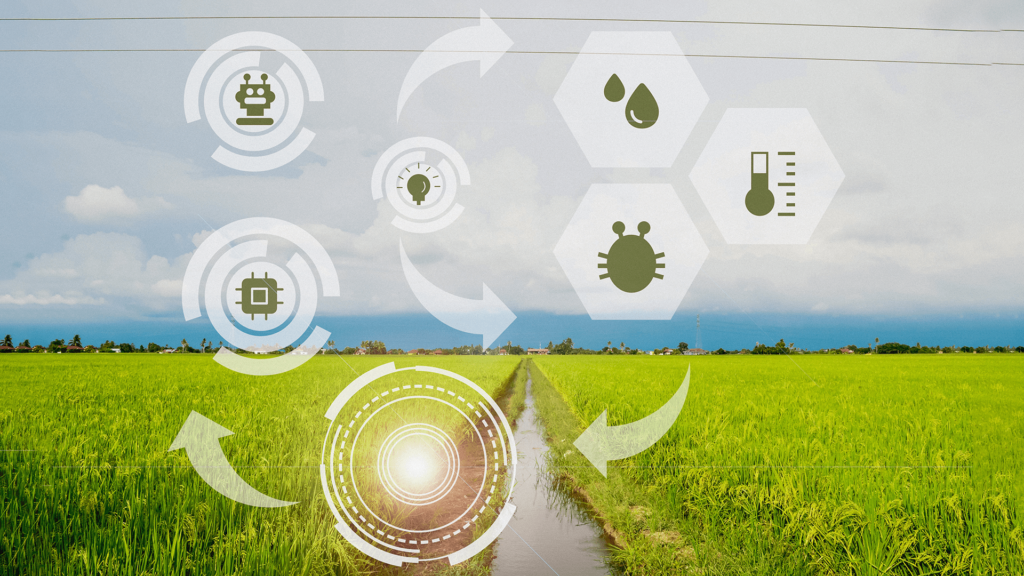
Digital agriculture involves the integration of technology into various aspects of farming, including crop management, livestock monitoring, soil analysis, and supply chain optimisation. By utilising tools such as precision farming, drones, sensors, and data analytics, farmers can make informed decisions that lead to improved yields, reduced costs, and minimal environmental impact.
Benefits of Taking a Digital Agriculture Course
Enrolling in a digital agriculture course equips participants with the expertise to harness the power of technology in agriculture effectively. Some key benefits include:
- Enhanced Decision-Making: Learn how to collect and analyse data to make data-driven decisions that optimise farm operations.
- Sustainable Practices: Explore methods for implementing sustainable farming practices through precision agriculture techniques.
- Increased Efficiency: Discover how automation and digital tools can streamline processes and boost productivity on the farm.
- Market Competitiveness: Stay ahead of the curve by adopting innovative technologies that enhance competitiveness in the agricultural sector.
Who Can Benefit from a Digital Agriculture Course?
A digital agriculture course is suitable for a wide range of individuals involved in agriculture, including:
- Farmers looking to modernise their operations and improve yields.
- Agricultural professionals seeking to expand their skill set and stay current with industry trends.
- Students or researchers interested in exploring the intersection of technology and agriculture.
- Policymakers aiming to understand how digital innovations can shape agricultural policies and practices.
By enrolling in a digital agriculture course, participants can unlock new opportunities for growth, innovation, and sustainability in the ever-evolving field of agriculture.
Exploring Digital Agriculture: Key Insights and Opportunities from Modern Farming Practices to Career Prospects
- What is digital agriculture and how does it impact modern farming practices?
- What are the key technologies used in digital agriculture courses?
- How can a digital agriculture course help farmers improve their productivity and efficiency?
- Are there specific prerequisites or qualifications required to enrol in a digital agriculture course?
- What are the potential career opportunities for individuals who complete a digital agriculture course?
- Is there ongoing support or resources available to students after completing a digital agriculture course?
What is digital agriculture and how does it impact modern farming practices?
Digital agriculture encompasses the integration of advanced technologies into agricultural processes to revolutionise modern farming practices. By leveraging tools such as precision farming, data analytics, drones, and sensors, digital agriculture enables farmers to make informed decisions based on real-time data. This impact extends to various aspects of farming, including crop management, livestock monitoring, irrigation efficiency, and resource optimisation. Ultimately, digital agriculture enhances productivity, sustainability, and profitability in farming operations by enabling farmers to adopt precision techniques tailored to specific crop and soil conditions.
What are the key technologies used in digital agriculture courses?
When exploring the key technologies used in digital agriculture courses, participants often encounter a range of innovative tools that revolutionise farming practices. These technologies include precision farming systems, remote sensing devices, data analytics software, IoT sensors, drones, and automated machinery. By understanding how to effectively utilise these technologies, individuals can enhance crop management, monitor livestock health, optimise resource usage, and make data-informed decisions to drive sustainable and efficient agricultural operations. Familiarising oneself with these key technologies is crucial for maximising the benefits of a digital agriculture course and staying at the forefront of modern farming practices.
How can a digital agriculture course help farmers improve their productivity and efficiency?
A digital agriculture course can significantly aid farmers in enhancing their productivity and efficiency through the adoption of advanced technologies and data-driven practices. By equipping farmers with the knowledge and skills to utilise tools such as precision farming, sensors, drones, and data analytics, the course enables them to make informed decisions based on real-time data. This leads to more precise resource management, optimised crop cultivation techniques, and proactive pest and disease management. Additionally, by learning how to automate certain processes and streamline operations using digital tools, farmers can save time and resources while maximising output. Ultimately, a digital agriculture course empowers farmers to leverage technology effectively, resulting in increased productivity, improved efficiency, and sustainable agricultural practices.
Are there specific prerequisites or qualifications required to enrol in a digital agriculture course?
When considering enrolment in a digital agriculture course, prospective participants often wonder about the specific prerequisites or qualifications needed to join the programme. While requirements may vary depending on the course provider, most digital agriculture courses do not have strict prerequisites in terms of formal qualifications. However, having a basic understanding of agriculture and an interest in technology can be beneficial. Individuals with a background in farming, agronomy, environmental science, or related fields may find the course content more accessible. Overall, a passion for leveraging digital tools to enhance agricultural practices is often more important than specific qualifications when enrolling in a digital agriculture course.
What are the potential career opportunities for individuals who complete a digital agriculture course?
Completing a digital agriculture course opens up a plethora of exciting career opportunities for individuals looking to make a mark in the agricultural sector. Graduates with expertise in digital agriculture are well-positioned to pursue roles such as precision agriculture specialists, agronomists, agricultural data analysts, farm management consultants, and agricultural technology developers. They can also explore opportunities in agribusinesses, research institutions, government agencies, and non-profit organisations focused on sustainable agriculture and food security. With the growing demand for skilled professionals who can harness technology to drive innovation in farming practices, completing a digital agriculture course equips individuals with the knowledge and skills needed to thrive in diverse and rewarding career paths within the agricultural industry.
Is there ongoing support or resources available to students after completing a digital agriculture course?
After completing a digital agriculture course, students can typically access ongoing support and resources to continue their learning journey and apply their newly acquired skills effectively. Many institutions offer post-course assistance through alumni networks, online forums, webinars, and additional educational materials. These resources enable students to stay updated on the latest trends in digital agriculture, seek guidance from experts, collaborate with peers, and address any challenges they may encounter in implementing digital technologies on their farms. Continued support ensures that graduates remain connected to the agricultural community and have the necessary tools to succeed in leveraging technology for sustainable and efficient farming practices.