
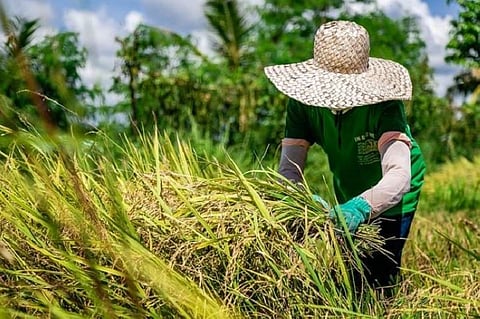
The Importance of Agriculture Courses Offered by TESDA
The Technical Education and Skills Development Authority (TESDA) in the Philippines plays a crucial role in providing quality education and training programmes to individuals seeking to enhance their skills in various fields. One of the key areas TESDA focuses on is agriculture, offering courses that equip students with the knowledge and practical experience needed to succeed in this vital industry.
Hands-On Learning
TESDA’s agriculture courses are designed to provide hands-on learning experiences that give students a comprehensive understanding of farming practices, crop production, livestock management, and sustainable agricultural techniques. Through practical training sessions and fieldwork, students develop the skills necessary to thrive in the agricultural sector.
Promoting Sustainable Practices
With a growing emphasis on sustainability and environmental conservation, TESDA’s agriculture courses also focus on promoting eco-friendly farming methods. Students learn about organic farming, integrated pest management, and other sustainable practices that help reduce the industry’s environmental impact while ensuring long-term productivity.
Career Opportunities
Completing an agriculture course through TESDA opens up a wide range of career opportunities for graduates. From working as farm managers and agricultural technicians to starting their own agribusiness ventures, students are equipped with the skills and knowledge needed to succeed in various roles within the agricultural sector.
Empowering Communities
By offering agriculture courses, TESDA plays a vital role in empowering local communities and supporting economic development in rural areas. Through education and training, individuals are given the tools they need to contribute to food security, sustainable development, and poverty alleviation within their communities.
Conclusion
TESDA’s agriculture courses play a crucial role in shaping the future of the agricultural industry by equipping individuals with the skills needed to succeed in this dynamic field. By promoting hands-on learning, sustainable practices, and career opportunities, TESDA continues to make a positive impact on both individuals and communities across the Philippines.
9 Essential Tips for Succeeding in a TESDA Agriculture Course
- Ensure to attend all classes and practical sessions.
- Take detailed notes during lectures and hands-on activities.
- Ask questions to clarify any doubts or confusion.
- Participate actively in group discussions and projects.
- Seek guidance from instructors when needed.
- Make use of available resources such as textbooks and online materials.
- Practice implementing learned techniques in real-life agricultural settings.
- Stay updated on industry trends and advancements.
- Network with fellow students and professionals in the field.
Ensure to attend all classes and practical sessions.
It is essential to ensure that you attend all classes and practical sessions when undertaking an agriculture course at TESDA. By actively participating in both theoretical lectures and hands-on training, you can gain a comprehensive understanding of farming practices and agricultural techniques. Attending all sessions allows you to acquire valuable knowledge, develop essential skills, and maximise the learning opportunities provided by the course. Consistent attendance will not only enhance your learning experience but also better prepare you for a successful career in the agricultural sector.
Take detailed notes during lectures and hands-on activities.
Taking detailed notes during lectures and hands-on activities in an agriculture course offered by TESDA is essential for maximising learning and retention. By recording key information, insights, and practical tips, students can reinforce their understanding of farming practices, crop management techniques, and sustainable agricultural methods. These notes serve as valuable study aids for future reference, helping students to review and revise important concepts outside of the classroom. Additionally, actively engaging with the material through note-taking enhances comprehension and critical thinking skills, enabling students to apply their knowledge effectively in real-world agricultural settings.
Ask questions to clarify any doubts or confusion.
When undertaking an agriculture course at TESDA, it is essential to actively engage with the material by asking questions to clarify any doubts or confusion that may arise. By seeking clarification on unclear concepts or procedures, students can deepen their understanding of the subject matter and ensure they are on the right track in their learning journey. Asking questions also demonstrates a proactive approach to learning and shows a genuine interest in mastering the skills and knowledge required for success in the agricultural industry.
Participate actively in group discussions and projects.
Active participation in group discussions and projects is a valuable tip for students enrolled in agriculture courses at TESDA. By engaging proactively with peers, sharing ideas, and collaborating on projects, students can enhance their learning experience and gain valuable insights from different perspectives. Group discussions provide opportunities to deepen understanding, improve communication skills, and foster teamwork – essential qualities for success in the agricultural industry. Through active participation, students can not only expand their knowledge but also develop important interpersonal skills that will benefit them in their future careers in agriculture.
Seek guidance from instructors when needed.
Seeking guidance from instructors when needed is a valuable tip for students enrolled in agriculture courses at TESDA. Instructors possess a wealth of knowledge and experience in the field, making them valuable resources for clarifying concepts, addressing challenges, and providing practical advice. By actively engaging with instructors and seeking their guidance, students can enhance their learning experience, gain valuable insights, and maximise their potential for success in the agricultural industry.
Make use of available resources such as textbooks and online materials.
To excel in the agriculture courses offered by TESDA, it is essential to make full use of available resources, including textbooks and online materials. By utilising these resources effectively, students can deepen their understanding of agricultural concepts, stay updated on industry trends, and enhance their practical skills. Textbooks provide foundational knowledge, while online materials offer a wealth of supplementary information and interactive learning opportunities. By integrating both traditional and digital resources into their study routine, students can maximise their learning experience and build a strong foundation for a successful career in agriculture.
Practice implementing learned techniques in real-life agricultural settings.
To maximise the benefits of completing an agriculture course at TESDA, it is essential for students to practice implementing the techniques they have learned in real-life agricultural settings. By applying their knowledge in practical scenarios, students can gain valuable hands-on experience and deepen their understanding of how different agricultural techniques work in the field. This hands-on approach not only enhances their skills but also prepares them for the challenges and opportunities they may encounter in their future careers in agriculture.
Stay updated on industry trends and advancements.
Staying updated on industry trends and advancements is essential for individuals enrolled in agriculture courses offered by TESDA. By keeping abreast of the latest developments in the agricultural sector, students can gain valuable insights into new technologies, practices, and market demands. This knowledge not only enhances their learning experience but also equips them with the skills needed to adapt to a rapidly evolving industry. By staying informed, students can position themselves as knowledgeable and competitive professionals ready to make a meaningful impact in the field of agriculture.
Network with fellow students and professionals in the field.
Networking with fellow students and professionals in the field is a valuable tip for those undertaking an agriculture course at TESDA. By connecting with peers who share a passion for agriculture and industry experts who have valuable insights and experiences, students can broaden their knowledge, exchange ideas, and build important relationships that may lead to future collaborations or career opportunities. Networking provides a platform for sharing best practices, staying updated on industry trends, and gaining different perspectives that can enhance one’s learning journey and professional growth in the agricultural sector.