
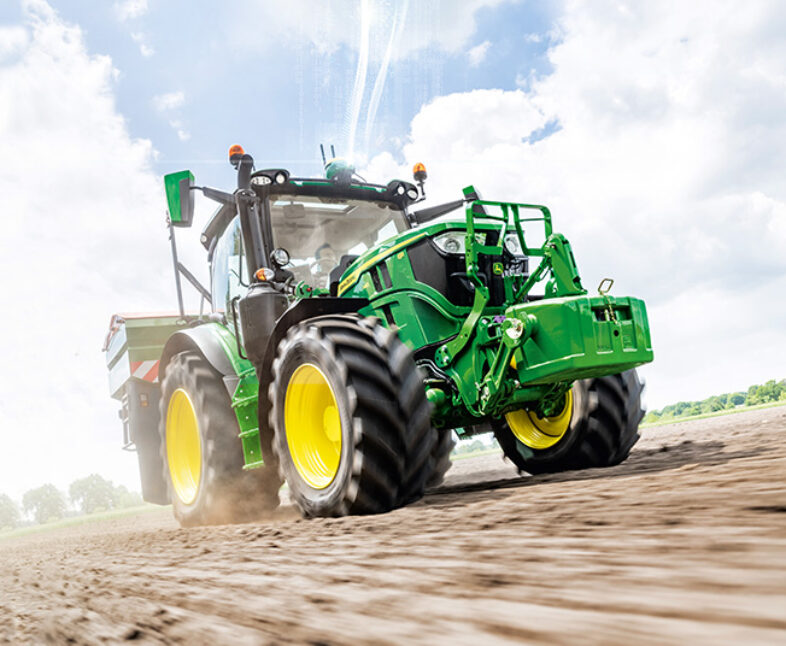
The Future of Farming: Precision Agriculture Training
Precision agriculture, also known as precision farming or precision ag, is revolutionising the agricultural industry by leveraging technology to optimise crop yields, reduce input costs, and minimise environmental impact. As the demand for sustainable farming practices grows, precision agriculture training has become essential for farmers looking to stay competitive and efficient in a rapidly evolving sector.
What is Precision Agriculture?
Precision agriculture involves using data-driven insights and advanced technologies such as GPS guidance systems, drones, sensors, and automated machinery to make informed decisions about crop management. By collecting real-time information on soil conditions, weather patterns, crop health, and more, farmers can customise their approach to each individual field or even specific areas within a field.
The Benefits of Precision Agriculture Training
Training in precision agriculture equips farmers with the skills and knowledge needed to effectively implement technology-driven solutions on their farms. By learning how to collect and analyse data, interpret results, and make data-driven decisions, farmers can:
- Optimise fertiliser and pesticide applications for improved crop health
- Reduce water usage through targeted irrigation practices
- Enhance overall efficiency and productivity on the farm
- Minimise environmental impact by reducing chemical runoff and greenhouse gas emissions
- Improve profitability by maximising yields while minimising input costs
Where to Access Precision Agriculture Training
Many agricultural institutions, universities, and industry organisations offer courses and workshops on precision agriculture. These training programmes cover a range of topics including data analysis, GIS mapping, remote sensing technologies, equipment operation, and agronomic best practices. Farmers can also benefit from online resources, webinars, and peer-to-peer learning opportunities within the precision agriculture community.
The Future is Now
As technology continues to advance at a rapid pace, the adoption of precision agriculture practices will only become more crucial for sustainable farming operations. By investing in precision agriculture training today, farmers can position themselves for success tomorrow in an ever-changing agricultural landscape.
Top FAQs on Precision Agriculture Training: Best Courses, Farming Steps, and Key Concepts
- Which is the best agricultural course?
- What are the steps in precision farming?
- What is the concept of precision agriculture?
- Which certificate course is best in agriculture?
Which is the best agricultural course?
When considering the best agricultural course, it is essential to evaluate individual goals, interests, and career aspirations. The field of agriculture is diverse, encompassing various specialisations such as agronomy, horticulture, livestock management, and precision agriculture. For those interested in leveraging technology to enhance farming practices and sustainability, a course in precision agriculture can be a valuable choice. Precision agriculture training equips individuals with the skills to utilise data-driven insights and advanced technologies for optimising crop yields and resource efficiency. Ultimately, the best agricultural course is one that aligns with personal interests and goals while providing the necessary knowledge and skills for success in the dynamic agricultural industry.
What are the steps in precision farming?
In precision farming, the implementation of technology and data-driven practices follows a systematic approach that involves several key steps. Firstly, farmers gather data through various means such as soil sampling, satellite imagery, and sensor technology to assess factors like soil fertility, moisture levels, and crop health. Next, this data is analysed to identify patterns and trends that can inform decision-making. Subsequently, farmers use precision agriculture technologies like GPS-guided machinery and variable rate application systems to apply inputs such as fertilisers and pesticides with precision accuracy based on the specific needs of different areas within a field. Continuous monitoring and adjustment based on real-time data ensure that farming practices remain optimised for maximum efficiency and sustainability.
What is the concept of precision agriculture?
The concept of precision agriculture revolves around the strategic use of technology and data-driven insights to enhance farming practices. In precision agriculture, farmers utilise advanced tools such as GPS guidance systems, drones, sensors, and automated machinery to gather detailed information about their fields. By analysing this data, farmers can make precise decisions tailored to the specific needs of each area within a field. This targeted approach allows for optimised resource management, increased efficiency, and improved sustainability in agricultural operations. Ultimately, precision agriculture aims to maximise crop yields while minimising input costs and environmental impact through the application of innovative technologies and practices.
Which certificate course is best in agriculture?
When considering which certificate course is best in agriculture, individuals interested in precision agriculture training should look for programmes that offer comprehensive instruction on the latest technologies and practices in the field. Courses that cover topics such as data analysis, GIS mapping, sensor technology, and precision equipment operation are particularly valuable for those seeking to enhance their skills and knowledge in modern agricultural techniques. Additionally, reputable institutions and industry organisations that provide hands-on training and practical experience can further enrich the learning process and prepare individuals for successful careers in precision agriculture.