
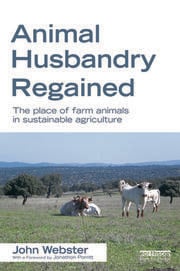
The Importance of Sustainable Animal Agriculture
Sustainable animal agriculture plays a crucial role in ensuring the well-being of our planet and future generations. By adopting practices that promote environmental conservation, animal welfare, and economic viability, we can create a more sustainable food system that benefits both people and the planet.
Environmental Conservation
One of the key benefits of sustainable animal agriculture is its positive impact on the environment. Through practices such as rotational grazing, organic feed production, and waste management systems, farmers can reduce their carbon footprint and minimise environmental degradation. By preserving natural resources and reducing greenhouse gas emissions, sustainable animal agriculture helps protect biodiversity and mitigate climate change.
Animal Welfare
Another important aspect of sustainable animal agriculture is its focus on animal welfare. By providing animals with access to open spaces, clean water, and natural diets, farmers can ensure that their livestock lead healthy and happy lives. Practices such as humane handling techniques and avoiding the use of antibiotics promote the well-being of animals while also producing high-quality meat, dairy, and eggs.
Economic Viability
Sustainable animal agriculture is not only beneficial for the environment and animals but also for farmers themselves. By adopting sustainable practices, farmers can improve efficiency, reduce costs, and increase profitability in the long run. Additionally, consumers are increasingly seeking out sustainably produced products, creating new market opportunities for farmers who embrace sustainable agriculture.
Conclusion
In conclusion, sustainable animal agriculture is essential for creating a food system that is ethical, environmentally friendly, and economically viable. By prioritising environmental conservation, animal welfare, and economic sustainability, we can build a more resilient agricultural sector that meets the needs of present and future generations.
Understanding Sustainable Animal Agriculture: Key Questions and Answers
- What is sustainable animal agriculture?
- How does sustainable animal agriculture benefit the environment?
- What practices are considered sustainable in animal agriculture?
- How does sustainable animal agriculture promote animal welfare?
- What are the economic benefits of practising sustainable animal agriculture?
- How can consumers support sustainable animal agriculture?
What is sustainable animal agriculture?
Sustainable animal agriculture refers to the practice of raising livestock in a way that meets the needs of the present without compromising the ability of future generations to meet their own needs. It involves implementing environmentally friendly practices, promoting animal welfare, and ensuring economic viability for farmers. Sustainable animal agriculture aims to minimise negative impacts on the environment, such as reducing greenhouse gas emissions and preserving natural resources, while also prioritising the well-being of animals through ethical treatment and proper care. By adopting sustainable practices, farmers can create a more resilient and ethical food system that benefits both people and the planet in the long term.
How does sustainable animal agriculture benefit the environment?
Sustainable animal agriculture benefits the environment in several ways. By implementing practices such as rotational grazing, organic feed production, and efficient waste management systems, farmers can significantly reduce their environmental impact. These practices help conserve natural resources, reduce greenhouse gas emissions, and promote biodiversity. Additionally, sustainable animal agriculture minimises pollution of air, water, and soil, leading to healthier ecosystems and a more sustainable food production system overall. By prioritising environmental stewardship, sustainable animal agriculture plays a crucial role in preserving the planet for future generations.
What practices are considered sustainable in animal agriculture?
In sustainable animal agriculture, several practices are considered essential for promoting environmental conservation and animal welfare. These practices include rotational grazing, which allows animals to graze on diverse pastures, reducing soil erosion and improving soil health. Additionally, organic feed production avoids the use of synthetic pesticides and fertilisers, minimising chemical inputs and supporting biodiversity. Proper waste management systems help reduce greenhouse gas emissions and prevent water pollution. Humane handling techniques ensure the well-being of animals throughout their lives. By implementing these sustainable practices and more, farmers can contribute to a more ethical, environmentally-friendly, and economically viable food system.
How does sustainable animal agriculture promote animal welfare?
Sustainable animal agriculture promotes animal welfare by prioritising practices that ensure the well-being and ethical treatment of livestock. Through providing access to open spaces, natural diets, and clean water sources, sustainable farming methods aim to create environments where animals can thrive and exhibit their natural behaviours. Additionally, practices such as humane handling techniques, avoiding the use of antibiotics unless necessary, and ensuring comfortable living conditions contribute to the overall health and happiness of the animals. By placing a strong emphasis on animal welfare, sustainable animal agriculture not only produces high-quality products but also fosters a respectful and compassionate relationship between farmers and their livestock.
What are the economic benefits of practising sustainable animal agriculture?
The economic benefits of practising sustainable animal agriculture are significant and wide-reaching. By adopting sustainable practices such as efficient resource management, reduced input costs, and improved animal health, farmers can enhance their overall profitability. Sustainable animal agriculture can lead to long-term cost savings through decreased reliance on expensive inputs like synthetic fertilisers and antibiotics. Additionally, by meeting the growing consumer demand for ethically produced food, farmers practising sustainability can access premium markets and command higher prices for their products. Ultimately, investing in sustainable animal agriculture not only benefits the environment and animal welfare but also offers a promising economic future for farmers seeking to build resilient and profitable businesses.
How can consumers support sustainable animal agriculture?
Consumers can support sustainable animal agriculture by making informed choices about the products they purchase. By opting for meat, dairy, and eggs that are certified as sustainably produced, organic, or pasture-raised, consumers can directly support farmers who follow environmentally friendly and ethical practices. Additionally, reducing meat consumption, choosing plant-based alternatives, and minimising food waste can also contribute to a more sustainable food system. By being conscious consumers and supporting businesses that prioritise sustainability, individuals can play a significant role in promoting sustainable animal agriculture and driving positive change in the industry.