
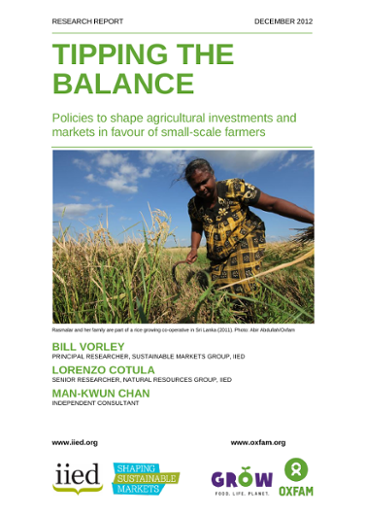
The Advantages of Small-Scale Sustainable Agriculture
Small-scale sustainable agriculture is gaining momentum as a viable and eco-friendly alternative to industrial farming practices. This approach focuses on maximising productivity while minimising environmental impact, making it a promising solution for the future of agriculture.
Environmental Benefits
One of the key advantages of small-scale sustainable agriculture is its positive impact on the environment. By using organic farming methods, minimising chemical inputs, and promoting biodiversity, small-scale farmers help preserve soil health, protect water resources, and reduce greenhouse gas emissions. This approach contributes to a more resilient and sustainable ecosystem.
Economic Viability
Small-scale sustainable agriculture can also be economically viable for farmers. By focusing on local markets, direct sales, and value-added products, small-scale farmers can bypass intermediaries and secure fair prices for their produce. Additionally, by diversifying crops and adopting innovative techniques, small-scale farmers can increase their resilience to market fluctuations and climatic changes.
Social Impact
Small-scale sustainable agriculture has a positive social impact by fostering community involvement and supporting local economies. By creating opportunities for small farmers to thrive, this approach helps preserve traditional farming practices, promote food sovereignty, and strengthen rural communities. Moreover, by prioritising ethical labour practices and fair trade principles, small-scale sustainable agriculture contributes to a more equitable food system.
The Future of Agriculture
As the challenges of climate change and food security become increasingly urgent, small-scale sustainable agriculture offers a promising model for the future of farming. By prioritising environmental stewardship, economic viability, and social equity, this approach demonstrates that it is possible to feed the world sustainably while protecting the planet for future generations.
In conclusion, small-scale sustainable agriculture represents a holistic and forward-thinking approach to farming that benefits not only farmers but also the environment and society at large. By supporting small-scale farmers and promoting sustainable practices, we can create a more resilient and regenerative food system for generations to come.
Nine Essential Tips for Sustainable Small-Scale Farming Practices
- Use organic and natural farming methods
- Rotate crops to maintain soil fertility
- Conserve water through efficient irrigation techniques
- Integrate livestock for manure and pest control
- Plant cover crops to prevent soil erosion
- Practice companion planting for natural pest management
- Utilise composting to recycle organic waste
- Support biodiversity by planting native species
- Engage with local community markets for distribution
Use organic and natural farming methods
Using organic and natural farming methods in small-scale sustainable agriculture is a crucial practice that promotes soil health, biodiversity, and environmental sustainability. By avoiding synthetic chemicals and pesticides, small farmers can protect the natural balance of ecosystems, reduce water pollution, and preserve the health of both consumers and farm workers. Organic farming methods also enhance soil fertility, leading to healthier crops and increased resilience to pests and diseases. Embracing organic and natural practices not only ensures the long-term viability of agricultural systems but also contributes to a more sustainable and environmentally friendly food production model.
Rotate crops to maintain soil fertility
Rotating crops is a fundamental practice in small-scale sustainable agriculture that plays a crucial role in maintaining soil fertility. By alternating the types of crops grown in a particular area each season, farmers can prevent soil depletion, control pests and diseases, and promote nutrient balance. Crop rotation helps break pest cycles, reduce the need for chemical fertilisers and pesticides, and improve overall soil health. This sustainable approach not only enhances crop productivity but also contributes to long-term sustainability by preserving the natural fertility of the land for future generations.
Conserve water through efficient irrigation techniques
Efficient irrigation techniques play a crucial role in small-scale sustainable agriculture by helping farmers conserve water resources and minimise wastage. By adopting methods such as drip irrigation or rainwater harvesting, farmers can ensure that water is used efficiently and effectively distributed to crops, reducing the overall water footprint of their operations. This not only helps in preserving precious water supplies but also contributes to the long-term sustainability of agricultural practices, promoting a more environmentally friendly approach to farming.
Integrate livestock for manure and pest control
Integrating livestock into small-scale sustainable agriculture practices can bring multiple benefits to the farming system. Livestock play a crucial role in providing natural fertiliser through their manure, which enriches the soil and enhances crop productivity without relying on synthetic chemicals. Additionally, certain animals can help control pests by grazing on weeds or insects that may damage crops, reducing the need for chemical pesticides. This integrated approach not only promotes a more self-sustaining and eco-friendly farming system but also highlights the interconnectedness of different elements within agriculture for overall efficiency and productivity.
Plant cover crops to prevent soil erosion
Planting cover crops is a crucial practice in small-scale sustainable agriculture as it helps prevent soil erosion and maintain soil health. Cover crops, such as legumes and grasses, act as a protective blanket for the soil, reducing the impact of rainfall and wind erosion. By covering the ground throughout the year, cover crops also improve soil structure, increase organic matter content, and enhance water retention capacity. This simple yet effective technique not only safeguards the fertility of the land but also promotes sustainable farming practices that benefit both the environment and crop productivity in the long run.
Practice companion planting for natural pest management
Practising companion planting for natural pest management is a valuable technique in small-scale sustainable agriculture. By strategically interplanting compatible crops that support each other’s growth and deter pests, farmers can reduce the reliance on chemical pesticides while promoting biodiversity in their fields. This method not only helps control pest populations naturally but also enhances soil health and crop resilience, contributing to a more sustainable and eco-friendly farming system.
Utilise composting to recycle organic waste
Utilising composting to recycle organic waste is a fundamental practice in small-scale sustainable agriculture. By converting kitchen scraps, crop residues, and other organic materials into nutrient-rich compost, farmers can enhance soil fertility, improve soil structure, and reduce the need for synthetic fertilisers. Composting not only helps close the nutrient loop on the farm but also minimises waste sent to landfills, thereby reducing greenhouse gas emissions. This eco-friendly approach promotes a circular economy within the farm system, demonstrating how small-scale farmers can effectively manage resources while nurturing the land for long-term sustainability.
Support biodiversity by planting native species
Supporting biodiversity by planting native species is a fundamental aspect of small-scale sustainable agriculture. By choosing plants that are indigenous to the region, farmers can create a balanced ecosystem that attracts beneficial insects, birds, and other wildlife essential for pollination and pest control. Native species are well-adapted to the local climate and soil conditions, requiring less water and maintenance compared to exotic plants. Additionally, planting native species helps preserve the natural heritage of the area and contributes to the overall health and resilience of the farm ecosystem.
Engage with local community markets for distribution
Engaging with local community markets for distribution is a key tip in small-scale sustainable agriculture. By selling produce directly to local consumers, farmers can reduce their carbon footprint by minimising transportation distances and supporting the local economy. This direct connection with consumers also allows farmers to receive immediate feedback, build relationships with their community, and establish a loyal customer base. Additionally, participating in local markets promotes food security, encourages sustainable consumption practices, and fosters a sense of community around fresh, locally grown produce.