
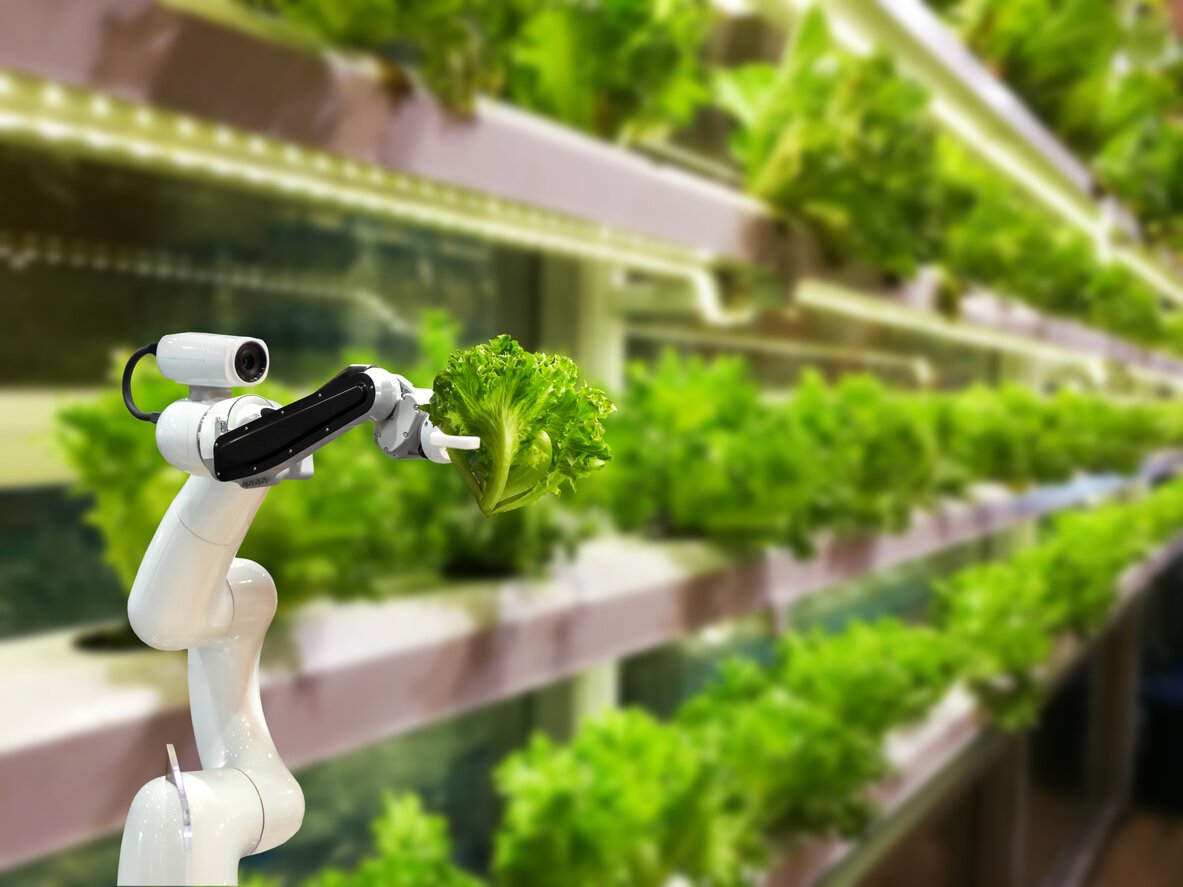
The Future of Agriculture: Futuristic Vertical Farming
Vertical farming is revolutionising the agricultural industry by offering a sustainable solution to the growing challenges of food production in urban areas. This innovative approach involves cultivating crops in vertically stacked layers, often in controlled environments like skyscrapers or repurposed warehouses.
One of the key advantages of vertical farming is its ability to maximise space efficiency. By utilising vertical space, farmers can produce significantly higher yields compared to traditional horizontal farming methods. This efficiency is especially crucial in densely populated urban areas where arable land is limited.
Moreover, vertical farming allows for precise control over environmental factors such as light, temperature, and humidity. This level of control minimises the reliance on pesticides and herbicides while optimising plant growth and health. As a result, vertical farms can produce high-quality crops consistently throughout the year.
Another benefit of futuristic vertical farming is its reduced water usage. Through innovative irrigation systems like hydroponics or aeroponics, plants receive the exact amount of water they need, eliminating wastage and promoting water conservation. This sustainable approach not only conserves resources but also helps mitigate the impact of droughts and climate change on agriculture.
Furthermore, vertical farming has the potential to shorten supply chains and reduce food miles. By locating farms closer to urban centres, fresh produce can be harvested and delivered to consumers rapidly, ensuring maximum freshness and nutritional value. This direct-to-consumer model enhances food quality while minimising transportation emissions.
In conclusion, futuristic vertical farming represents a promising solution to the challenges facing modern agriculture. With its space-efficient design, precise environmental control, reduced water usage, and shortened supply chains, vertical farming offers a sustainable and innovative approach to food production that can help feed our growing global population while preserving our planet’s resources for future generations.
8 Essential Tips for Optimising Futuristic Vertical Farming Practices
- Utilise advanced technology for automated monitoring and control of environmental conditions.
- Implement vertical stacking to maximise space efficiency and increase crop yield.
- Incorporate sustainable practices such as water recycling and energy-efficient lighting.
- Use aeroponic or hydroponic systems for efficient nutrient delivery to plants.
- Integrate artificial intelligence for predictive analysis and optimisation of farming processes.
- Focus on growing high-value crops that are well-suited for vertical farming environments.
- Collaborate with research institutions to stay updated on the latest innovations in vertical farming technology.
- Ensure proper training for staff to effectively operate and maintain futuristic vertical farming systems.
Utilise advanced technology for automated monitoring and control of environmental conditions.
To enhance the efficiency and productivity of futuristic vertical farming, it is crucial to utilise advanced technology for automated monitoring and control of environmental conditions. By implementing sophisticated sensors and data analytics systems, farmers can accurately monitor factors such as light intensity, temperature, humidity, and nutrient levels in real-time. This automation allows for precise adjustments to create optimal growing conditions for crops, resulting in higher yields and consistent crop quality. Additionally, automated monitoring helps farmers identify potential issues early on and take proactive measures to maintain crop health and sustainability in vertical farming environments.
Implement vertical stacking to maximise space efficiency and increase crop yield.
Implementing vertical stacking in futuristic vertical farming is a game-changer for maximising space efficiency and boosting crop yield. By cultivating crops in vertically stacked layers, farmers can make the most of limited space, especially in urban environments where land availability is scarce. This innovative approach not only optimises land use but also allows for higher yields compared to traditional farming methods. Vertical stacking enables farmers to grow more crops in a smaller footprint, contributing to increased productivity and sustainable food production for the future.
Incorporate sustainable practices such as water recycling and energy-efficient lighting.
Incorporating sustainable practices such as water recycling and energy-efficient lighting is essential for the success of futuristic vertical farming. By implementing water recycling systems, vertical farms can significantly reduce water wastage and promote efficient resource management. Additionally, using energy-efficient lighting solutions not only lowers operational costs but also minimises the environmental impact of farming operations. These sustainable practices not only contribute to the overall sustainability of vertical farming but also help create a more eco-friendly and resilient agricultural system for the future.
Use aeroponic or hydroponic systems for efficient nutrient delivery to plants.
Utilising aeroponic or hydroponic systems in futuristic vertical farming offers a highly efficient method of delivering nutrients to plants. These innovative systems provide plants with precisely tailored nutrient solutions, promoting optimal growth and health while minimising resource wastage. By adopting aeroponic or hydroponic techniques, vertical farms can enhance crop yields, reduce water consumption, and contribute to the sustainability of urban agriculture.
Integrate artificial intelligence for predictive analysis and optimisation of farming processes.
Integrating artificial intelligence (AI) into futuristic vertical farming can significantly enhance predictive analysis and optimisation of farming processes. By employing AI algorithms, farmers can analyse vast amounts of data to forecast crop yields, detect potential issues early, and optimise resource allocation. This technology enables precise monitoring of environmental conditions such as light, temperature, and humidity, ensuring optimal growth conditions for each plant. Additionally, AI can predict pest infestations or diseases before they become problematic, allowing for timely interventions that minimise crop loss. Through machine learning, vertical farms can continually improve their operations by learning from historical data and adapting to changing conditions. This integration not only boosts efficiency and productivity but also contributes to more sustainable farming practices by reducing waste and conserving resources.
Focus on growing high-value crops that are well-suited for vertical farming environments.
In the realm of futuristic vertical farming, a key tip is to concentrate on cultivating high-value crops that thrive in vertical farming environments. By selecting crops that are well-suited for this innovative method, farmers can maximise their yields and profitability. High-value crops not only offer better returns on investment but also benefit from the controlled conditions and efficient use of space that vertical farming provides. This strategic focus on growing premium crops tailored to vertical farming setups can enhance productivity, quality, and overall success in this cutting-edge agricultural practice.
Collaborate with research institutions to stay updated on the latest innovations in vertical farming technology.
To stay at the forefront of futuristic vertical farming practices, it is essential for farmers to collaborate closely with research institutions. By partnering with these institutions, farmers can access the latest innovations in vertical farming technology and stay updated on emerging trends and advancements in the field. This collaboration not only allows farmers to incorporate cutting-edge techniques into their operations but also fosters a culture of continuous learning and improvement, ensuring that they remain competitive and sustainable in an ever-evolving agricultural landscape.
Ensure proper training for staff to effectively operate and maintain futuristic vertical farming systems.
To maximise the efficiency and success of futuristic vertical farming systems, it is essential to provide thorough training for staff members responsible for operating and maintaining these advanced agricultural setups. Proper training ensures that employees have the necessary skills and knowledge to manage the complex environmental controls, irrigation systems, and crop monitoring technologies inherent in vertical farming. By investing in comprehensive training programmes, farms can optimise productivity, minimise errors, and sustainably produce high-quality crops year-round.