
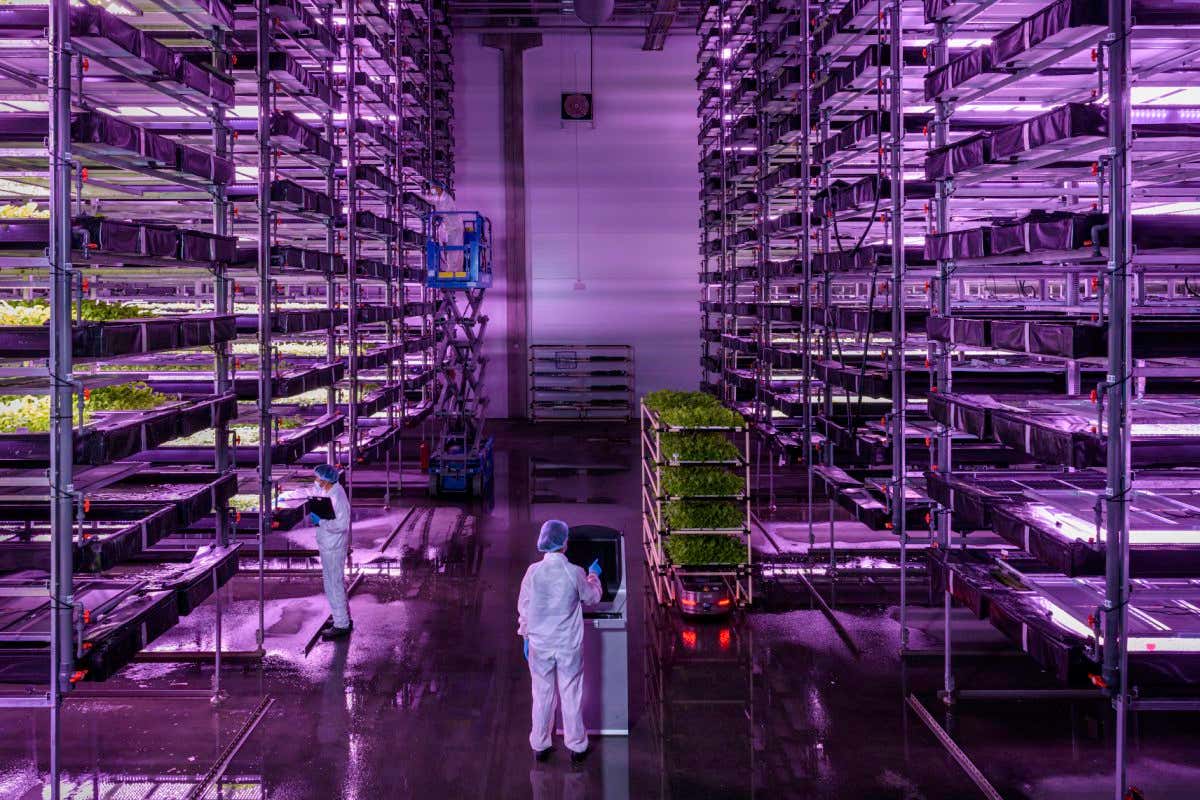
The Future of Farming: Exploring Futuristic Agricultural Technology
In recent years, the agricultural industry has been undergoing a technological revolution that is reshaping the way we grow and harvest crops. From vertical farming to precision agriculture, futuristic farming technology is paving the way for more efficient, sustainable, and productive practices.
Vertical Farming
One of the most exciting advancements in futuristic farming technology is vertical farming. By growing crops in vertically-stacked layers, often in controlled environments like warehouses or skyscrapers, vertical farming maximises space efficiency and reduces water usage. This method allows farmers to produce high yields of fresh produce year-round, regardless of external weather conditions.
Precision Agriculture
Another key innovation in modern agriculture is precision agriculture. This technology utilises data analytics, GPS mapping, and sensors to optimise farming practices such as planting, irrigation, fertilisation, and pest control. By precisely targeting resources based on real-time data analysis, farmers can enhance crop yields while minimising waste and environmental impact.
Robotics and Automation
Robotic technology is also revolutionising the agricultural sector. Autonomous drones are used for crop monitoring and spraying pesticides with pinpoint accuracy. Robotic harvesters can efficiently pick fruits and vegetables without damaging the crops or soil. These advancements not only increase productivity but also reduce labour costs and physical strain on farmers.
Biotechnology
Advancements in biotechnology have led to genetically modified crops that are resistant to pests, diseases, and harsh environmental conditions. These genetically engineered plants can thrive in challenging environments while requiring fewer chemical inputs. Biotechnology offers a sustainable solution to feeding a growing global population while reducing the ecological footprint of agriculture.
The Future is Now
As we look towards the future of farming, it is clear that technological innovations will continue to play a crucial role in shaping the industry. From vertical farms to precision agriculture and biotechnology, futuristic farming technology offers sustainable solutions to enhance food production while preserving our planet’s resources. Embracing these advancements will not only benefit farmers but also contribute to a more resilient and environmentally-friendly food system for generations to come.
Embracing the Future of Farming: Six Innovative Technologies for Sustainable Agriculture
- Utilize precision farming techniques to optimize resource usage.
- Incorporate sensors and IoT devices for real-time monitoring of crops and environmental conditions.
- Implement vertical farming systems to maximize space efficiency.
- Explore the use of drones for crop surveillance and spraying pesticides.
- Adopt hydroponic or aeroponic systems for water-efficient cultivation.
- Invest in AI and machine learning algorithms for data analysis and decision-making.
Utilize precision farming techniques to optimize resource usage.
By implementing precision farming techniques, farmers can revolutionise their agricultural practices by maximising the efficiency of resource utilisation. Through the use of advanced technologies such as data analytics, GPS mapping, and sensors, precision farming enables farmers to precisely target resources like water, fertilisers, and pesticides where they are needed most. This optimisation not only enhances crop yields but also minimises wastage and environmental impact. Embracing precision farming techniques is a key step towards sustainable and productive agriculture in the future.
Incorporate sensors and IoT devices for real-time monitoring of crops and environmental conditions.
By incorporating sensors and Internet of Things (IoT) devices into farming practices, farmers can benefit from real-time monitoring of crops and environmental conditions. These advanced technologies allow farmers to gather data on factors such as soil moisture levels, temperature, humidity, and nutrient content instantly. By having access to this real-time information, farmers can make informed decisions to optimise crop growth, adjust irrigation schedules, and detect any potential issues promptly. The use of sensors and IoT devices in agriculture not only enhances productivity but also promotes sustainable farming practices by reducing resource wastage and improving overall crop health.
Implement vertical farming systems to maximize space efficiency.
Implementing vertical farming systems is a cutting-edge tip in futuristic farming technology that holds great promise for revolutionising agricultural practices. By growing crops in vertically-stacked layers, farmers can maximise space efficiency and significantly increase their yield potential. This innovative approach not only optimises land usage but also allows for year-round cultivation in controlled environments, leading to consistent production regardless of external factors. Vertical farming systems represent a sustainable solution that addresses the challenges of limited arable land while offering a pathway towards efficient and resource-conscious agriculture.
Explore the use of drones for crop surveillance and spraying pesticides.
In the realm of futuristic farming technology, utilising drones for crop surveillance and pesticide spraying has emerged as a game-changing practice. Drones equipped with advanced sensors and cameras can efficiently monitor crop health, detect potential issues early on, and provide farmers with valuable data for informed decision-making. Moreover, the precision and accuracy of drone-based pesticide spraying help minimise chemical usage, reduce environmental impact, and enhance overall crop yield. Embracing this innovative approach not only revolutionises traditional farming methods but also demonstrates a commitment to sustainable agriculture practices for a more productive and eco-conscious future.
Adopt hydroponic or aeroponic systems for water-efficient cultivation.
Adopting hydroponic or aeroponic systems for water-efficient cultivation is a cutting-edge tip in futuristic farming technology. These innovative methods involve growing plants without soil, using nutrient-rich water solutions instead. Hydroponic systems deliver water directly to the plant roots, while aeroponic systems mist the roots with a nutrient solution. By eliminating the need for traditional soil-based farming, hydroponic and aeroponic systems not only save water but also promote faster plant growth and higher yields. Embracing these water-efficient cultivation techniques can revolutionise agriculture by maximising resource efficiency and sustainability in food production.
Invest in AI and machine learning algorithms for data analysis and decision-making.
Investing in AI and machine learning algorithms for data analysis and decision-making is a transformative step towards modernising agricultural practices. These technologies enable farmers to process vast amounts of data collected from sensors, drones, and satellites, providing valuable insights into crop health, soil conditions, and weather patterns. By leveraging AI-driven analytics, farmers can make informed decisions about irrigation schedules, pest control measures, and optimal planting times. This not only enhances productivity but also reduces resource wastage and environmental impact. As the agricultural sector faces challenges such as climate change and a growing global population, integrating AI and machine learning into farming operations offers a promising pathway to sustainable and efficient food production.