
The Future of Vertical Farming
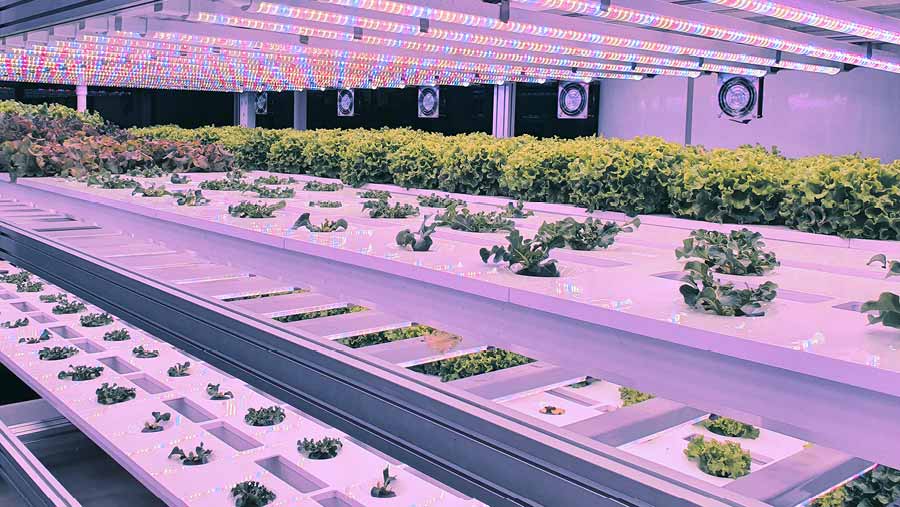
Vertical farming, once a futuristic concept, is rapidly becoming a reality in today’s world. This innovative agricultural practice involves growing crops in vertically stacked layers, often in controlled environments like skyscrapers or shipping containers. As we look ahead, the future of vertical farming holds immense promise and potential for revolutionising the way we produce food.
Sustainability and Efficiency
One of the key advantages of vertical farming is its sustainability. By utilising vertical space and employing advanced technologies such as hydroponics and LED lighting, vertical farms can produce higher yields using fewer resources compared to traditional agriculture. This efficiency not only conserves land and water but also reduces the carbon footprint associated with food production.
Urban Agriculture
Vertical farming is particularly well-suited for urban environments where arable land is limited. With the world’s population increasingly concentrated in cities, vertical farms offer a solution to produce fresh, locally grown food right where it is needed. By bringing agriculture closer to urban centres, vertical farming can reduce transportation costs and emissions associated with long-distance food supply chains.
Technological Advancements
The future of vertical farming is closely tied to technological advancements. Innovations in automation, artificial intelligence, and data analytics are transforming how crops are grown and monitored in vertical farm environments. These technologies enable precise control over factors such as temperature, humidity, and nutrient levels, leading to optimal plant growth and higher yields.
Food Security
As global challenges such as climate change and population growth threaten traditional agricultural practices, vertical farming offers a promising solution for ensuring food security in the future. By providing a reliable source of fresh produce year-round regardless of external conditions, vertical farms can help mitigate the impact of environmental disruptions on food supply chains.
Collaboration and Innovation
To fully realise the potential of vertical farming, collaboration between researchers, farmers, policymakers, and technology experts is essential. By working together to address challenges related to scalability, energy efficiency, and cost-effectiveness, we can unlock new opportunities for sustainable food production through vertical farming.
In conclusion, the future of vertical farming holds great promise for addressing pressing issues related to food production and sustainability. By harnessing technology and innovation, we can create a more resilient and efficient agricultural system that benefits both people and the planet.
Exploring the Future of Vertical Farming: 5 Key Strategies for Sustainable Urban Agriculture
- Vertical farming is a sustainable solution for increasing urban food production.
- Investing in technology and automation can improve efficiency and productivity in vertical farming.
- Research on plant genetics and LED lighting can help optimize growth conditions in vertical farms.
- Collaboration with food scientists can lead to the development of nutritious and high-quality crops in vertical farming systems.
- Government support and policies promoting vertical farming can accelerate its adoption and growth in the future.
Vertical farming is a sustainable solution for increasing urban food production.
Vertical farming presents a sustainable solution for boosting urban food production. By utilising vertical space and advanced agricultural techniques, vertical farms can produce fresh, nutritious crops in urban environments where land is limited. This innovative approach not only reduces the need for extensive land use but also minimises the environmental impact associated with traditional farming practices. Vertical farming holds great potential for enhancing food security in cities and promoting local, sustainable agriculture for a more resilient future.
Investing in technology and automation can improve efficiency and productivity in vertical farming.
Investing in technology and automation is a crucial step towards enhancing efficiency and productivity in vertical farming. By leveraging advanced technologies such as automated irrigation systems, sensor-controlled environments, and robotic harvesting tools, vertical farms can optimise resource usage, reduce labour costs, and maximise crop yields. Embracing automation not only streamlines operations but also allows for precise monitoring and adjustment of growing conditions, leading to healthier plants and higher-quality produce. As the future of vertical farming continues to evolve, integrating cutting-edge technology will be key to unlocking its full potential and ensuring sustainable food production for generations to come.
Research on plant genetics and LED lighting can help optimize growth conditions in vertical farms.
Research on plant genetics and LED lighting plays a crucial role in shaping the future of vertical farming. By delving into plant genetics, scientists can develop crops that are specifically tailored to thrive in vertical farm environments, maximising yields and nutritional value. Additionally, the use of LED lighting allows for precise control over light spectrum and intensity, creating optimal growth conditions for plants throughout their lifecycle. This combination of genetic research and advanced lighting technology holds the key to enhancing productivity and sustainability in vertical farms, paving the way for a more efficient and resilient agricultural future.
Collaboration with food scientists can lead to the development of nutritious and high-quality crops in vertical farming systems.
Collaborating with food scientists holds great potential for advancing the future of vertical farming. By working together, farmers and researchers can develop innovative techniques to cultivate nutritious and high-quality crops in vertical farming systems. Food scientists bring expertise in understanding the nutritional needs of plants and can help optimise growing conditions to enhance the quality and taste of produce. This collaboration not only benefits the consumers by providing access to healthier food options but also contributes to the sustainability and success of vertical farming as a viable agricultural practice.
Government support and policies promoting vertical farming can accelerate its adoption and growth in the future.
Government support and policies promoting vertical farming play a crucial role in accelerating the adoption and growth of this innovative agricultural practice in the future. By offering incentives, funding research initiatives, and creating regulatory frameworks that support vertical farming, governments can encourage investment in sustainable food production methods. Such support not only helps to overcome barriers to entry for farmers but also signals a commitment to advancing agricultural technology and addressing food security challenges. With the right policies in place, vertical farming has the potential to thrive and make a significant impact on the future of agriculture.