
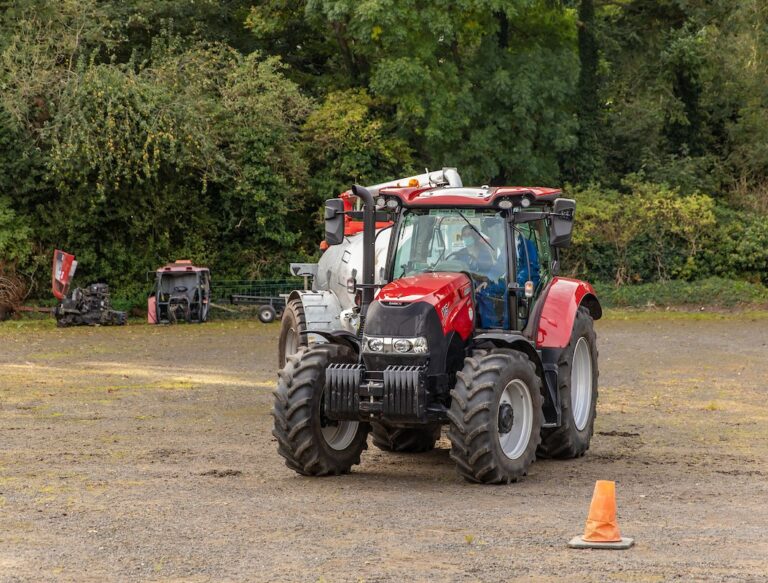
The Value of Farm Hand Courses in Developing Agricultural Skills
As the agricultural industry continues to evolve, the need for skilled farm hands has never been greater. Farm hand courses play a crucial role in equipping individuals with the necessary knowledge and practical skills to thrive in this dynamic field.
Hands-On Learning
One of the key benefits of farm hand courses is the emphasis on hands-on learning. Participants have the opportunity to work directly on farms, gaining practical experience in various aspects of agricultural operations. From planting and harvesting crops to caring for livestock, these courses provide invaluable exposure to real-world farming scenarios.
Technical Skills Development
Farm hand courses also focus on developing technical skills essential for modern agriculture. Participants learn how to operate farm machinery, implement sustainable farming practices, and manage agricultural resources efficiently. These technical skills are highly sought after by employers looking for competent farm hands.
Understanding Agricultural Practices
Through farm hand courses, individuals gain a deeper understanding of agricultural practices and processes. They learn about soil management, crop rotation, pest control methods, and other essential aspects of farming. This knowledge not only enhances their capabilities as farm hands but also enables them to contribute effectively to farm operations.
Networking Opportunities
Participating in farm hand courses provides individuals with valuable networking opportunities within the agricultural community. They have the chance to connect with experienced farmers, industry experts, and fellow participants who share a passion for agriculture. These connections can lead to mentorship opportunities, job placements, and collaborations in the future.
Career Advancement
For those aspiring to build a career in agriculture, completing farm hand courses can be a stepping stone towards further advancement. The skills acquired through these courses enhance employability and open doors to a wide range of opportunities within the agricultural sector. Whether working on farms or pursuing higher education in agriculture-related fields, participants are better equipped to succeed in their chosen paths.
In conclusion, farm hand courses play a vital role in developing agricultural skills and preparing individuals for rewarding careers in farming. By combining practical experience with technical knowledge and networking opportunities, these courses empower participants to make meaningful contributions to the agricultural industry while fulfilling their passion for working on the land.
Unlocking Agricultural Expertise: 9 Benefits of Farm Hand Courses
- Hands-on learning experience on real farms
- Development of practical agricultural skills
- Exposure to various aspects of farm operations
- Opportunity to work with farm machinery and equipment
- Enhancement of technical knowledge in modern farming practices
- Networking opportunities within the agricultural community
- Improved understanding of sustainable farming methods
- Career advancement prospects in the agricultural sector
- Potential for mentorship from experienced farmers
Challenges of Farm Hand Courses: Limited Knowledge, Physical Demands, and Career Constraints
- Limited theoretical knowledge compared to academic agricultural courses
- May require physical labour and long hours, which can be physically demanding
- Potential exposure to harsh weather conditions and outdoor elements
- Limited career advancement opportunities without additional specialised training
- Varied quality of training programmes and instructors across different farm hand courses
Hands-on learning experience on real farms
One of the standout advantages of farm hand courses is the invaluable hands-on learning experience they offer on real farms. Participants have the unique opportunity to immerse themselves in practical agricultural activities, such as planting, harvesting, and tending to livestock, directly on working farms. This immersive approach not only enhances their understanding of farm operations but also allows them to develop essential skills through real-world application. By engaging in hands-on learning on real farms, individuals gain a deeper appreciation for the complexities of agriculture and acquire practical expertise that is essential for succeeding in the field.
Development of practical agricultural skills
Farm hand courses offer a valuable opportunity for individuals to develop practical agricultural skills that are essential for success in the farming industry. Participants gain hands-on experience in various aspects of farm operations, such as planting, harvesting, and animal care. By working directly on farms and learning from experienced professionals, individuals acquire the necessary expertise to handle farm machinery, implement sustainable farming practices, and effectively manage agricultural resources. This practical training not only enhances their capabilities as farm hands but also equips them with the skills needed to contribute meaningfully to agricultural activities and make a positive impact on farm productivity.
Exposure to various aspects of farm operations
Farm hand courses offer participants a valuable opportunity to gain exposure to various aspects of farm operations. By working directly on farms, individuals experience firsthand the diverse tasks involved in running a successful agricultural enterprise. From planting and harvesting crops to caring for livestock and managing farm resources, this hands-on experience provides a comprehensive understanding of the complexities of modern farming practices. Through exposure to different facets of farm operations, participants develop a well-rounded skill set and knowledge base that prepares them for a wide range of roles within the agricultural sector.
Opportunity to work with farm machinery and equipment
Farm hand courses offer participants a valuable opportunity to gain hands-on experience in working with farm machinery and equipment. By learning how to operate and maintain various tools used in agricultural operations, individuals develop essential technical skills that are highly sought after in the industry. This practical training not only enhances their proficiency in handling machinery effectively but also prepares them to contribute efficiently to farm tasks such as planting, harvesting, and livestock management. The exposure to farm equipment through these courses equips participants with the knowledge and confidence needed to navigate modern farming practices and succeed as competent farm hands.
Enhancement of technical knowledge in modern farming practices
Farm hand courses offer a significant advantage by enhancing participants’ technical knowledge in modern farming practices. Through these courses, individuals gain valuable insights into the latest agricultural technologies, sustainable farming methods, and efficient resource management techniques. By acquiring a deeper understanding of contemporary farming practices, participants are better equipped to adapt to the evolving agricultural landscape and contribute effectively to farm operations. This enhancement of technical knowledge not only improves the employability of individuals in the agricultural sector but also enables them to implement innovative solutions that drive productivity and sustainability in farming practices.
Networking opportunities within the agricultural community
Networking opportunities within the agricultural community are a significant advantage of farm hand courses. By participating in these courses, individuals have the chance to connect with experienced farmers, industry experts, and like-minded peers who share a common interest in agriculture. These networking opportunities can lead to valuable mentorship relationships, job placements, and collaborations that can enhance one’s career prospects in the agricultural sector. Building a strong network within the agricultural community not only provides support and guidance but also opens doors to new opportunities and fosters a sense of belonging within the industry.
Improved understanding of sustainable farming methods
Farm hand courses offer participants an invaluable pro by enhancing their understanding of sustainable farming methods. Through these courses, individuals gain knowledge of eco-friendly practices such as crop rotation, organic pest control, water conservation techniques, and soil management strategies. By learning how to farm sustainably, participants can contribute to environmental preservation and resource efficiency in agriculture. This improved understanding equips them with the skills needed to promote long-term sustainability in farming practices, making a positive impact on both the industry and the environment.
Career advancement prospects in the agricultural sector
Farm hand courses offer promising career advancement prospects in the agricultural sector. By equipping individuals with essential skills and knowledge, these courses enhance their employability and open doors to diverse opportunities within the industry. Graduates of farm hand courses can explore various career paths, including farm management, agricultural consultancy, agribusiness, research positions, and more. With a solid foundation in practical farming techniques and sustainable practices, individuals are well-prepared to pursue fulfilling careers in agriculture and contribute meaningfully to the future of food production.
Potential for mentorship from experienced farmers
One significant advantage of farm hand courses is the potential for mentorship from experienced farmers. Participants have the valuable opportunity to learn directly from seasoned professionals who can share their wealth of knowledge, expertise, and practical insights gained through years of hands-on experience in agriculture. This mentorship not only provides guidance and support but also fosters a sense of community within the agricultural industry, enabling aspiring farmers to develop essential skills and confidence as they navigate their own farming journeys.
Limited theoretical knowledge compared to academic agricultural courses
One notable drawback of farm hand courses is their limited emphasis on theoretical knowledge in comparison to academic agricultural courses. While farm hand courses provide valuable hands-on experience and practical skills essential for farm work, they may lack in-depth theoretical understanding of agricultural principles and scientific concepts. This limitation could potentially hinder individuals seeking a comprehensive education in agriculture, as academic courses typically offer a more structured curriculum that covers a wider range of theoretical topics. As a result, those looking to delve deeply into the theoretical foundations of agriculture may find farm hand courses lacking in this aspect.
May require physical labour and long hours, which can be physically demanding
Farm hand courses, while valuable in providing hands-on agricultural experience, come with the con of potentially demanding physical labour and long hours. The nature of farm work often involves strenuous tasks such as lifting heavy objects, operating machinery, and working in various weather conditions. This physical demand can be challenging for some individuals, especially those who may not be accustomed to such rigorous activities or have physical limitations. Additionally, the long hours required in farm settings can lead to fatigue and exhaustion, impacting the overall well-being of participants. It is essential for individuals considering farm hand courses to be aware of these physical demands and assess their own capabilities before committing to such intensive training programmes.
Potential exposure to harsh weather conditions and outdoor elements
Farm hand courses, despite their many benefits, come with the con of potential exposure to harsh weather conditions and outdoor elements. Participants in these courses may find themselves working in extreme temperatures, heavy rain, or strong winds, which can pose health risks and discomfort. Exposure to such conditions can lead to fatigue, dehydration, sunburn, or even more serious health issues if proper precautions are not taken. Additionally, prolonged exposure to outdoor elements may impact the overall well-being and morale of individuals undergoing farm hand training. It is essential for course providers to prioritise the safety and well-being of participants by implementing appropriate measures to mitigate the risks associated with adverse weather conditions during practical training sessions.
Limited career advancement opportunities without additional specialised training
One significant drawback of farm hand courses is the limited career advancement opportunities they offer without additional specialised training. While these courses provide a solid foundation in practical farming skills, individuals may find themselves restricted in terms of progression within the agricultural sector without further education or specialised certifications. To pursue higher-level positions or transition into more specialised areas of agriculture, participants may need to invest in additional training to enhance their expertise and competitiveness in the job market. This lack of immediate career advancement prospects within the field can be a deterrent for those seeking rapid progression in their agricultural careers.
Varied quality of training programmes and instructors across different farm hand courses
The inconsistency in the quality of training programmes and instructors across different farm hand courses poses a significant challenge for individuals seeking to enhance their agricultural skills. Due to this con, participants may encounter variations in the depth of content covered, the practical relevance of training exercises, and the expertise of instructors. This disparity can lead to uneven learning experiences and hinder the overall effectiveness of farm hand courses in providing comprehensive and uniform education. As a result, individuals may find it challenging to identify reputable courses that offer high-quality training and ensure consistent skill development in the agricultural sector.