
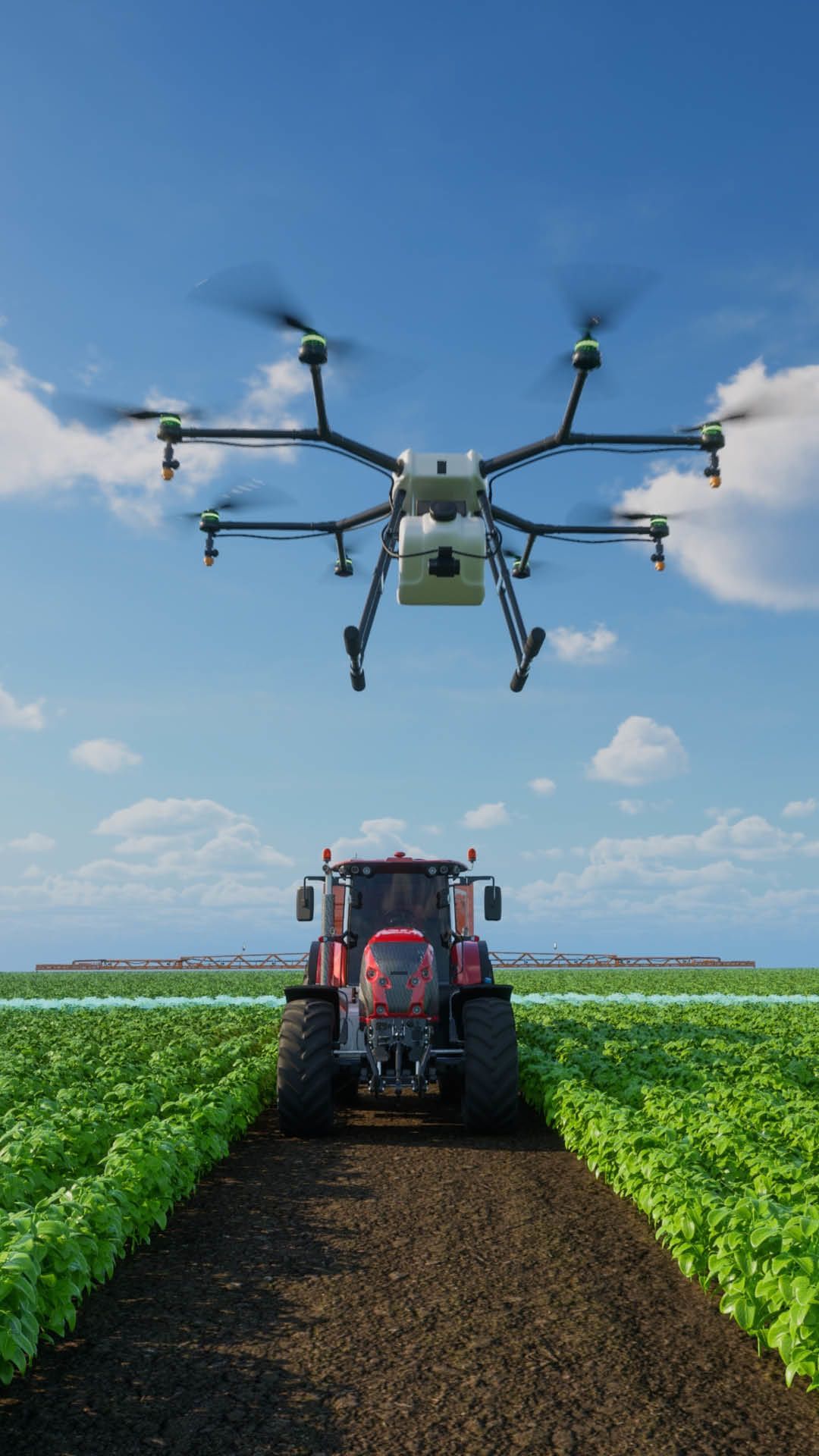
The Future of Farming: Precision Agriculture Training
As the world’s population continues to grow, the demand for food production is increasing. To meet this demand sustainably and efficiently, the agricultural industry is turning to precision agriculture training.
Precision agriculture involves using advanced technologies such as GPS, sensors, drones, and data analytics to optimise farming practices. By collecting real-time data on soil conditions, weather patterns, crop health, and more, farmers can make informed decisions to maximise yields while minimising inputs.
Training in precision agriculture is essential for farmers looking to stay competitive in today’s rapidly evolving agricultural landscape. Through specialised courses and workshops, farmers learn how to effectively implement precision farming techniques on their own farms.
Key aspects of precision agriculture training include:
- Data Analysis: Farmers learn how to collect and analyse data from various sources to make data-driven decisions about crop management.
- Remote Sensing: Training covers the use of drones and satellite imagery to monitor crop health and identify areas that require attention.
- Variable Rate Technology: Farmers are taught how to adjust inputs such as water, fertilisers, and pesticides based on specific needs across different parts of a field.
- Precision Planting: Techniques for precise seed placement and spacing are taught to optimise plant growth and reduce waste.
By embracing precision agriculture training, farmers can increase efficiency, reduce environmental impact, and improve overall sustainability. The future of farming lies in harnessing technology to produce more with less – and precision agriculture training is leading the way towards this goal.
Mastering Precision Agriculture: 8 Essential Training Tips for Success
- Understand the basics of GPS and GIS technology.
- Familiarise yourself with sensor data interpretation.
- Learn about the different types of drones used in agriculture.
- Stay updated on software tools for data analysis.
- Participate in workshops or online courses for hands-on experience.
- Network with other professionals to share insights and techniques.
- Focus on crop-specific precision techniques for better results.
- Keep abreast of advancements in IoT applications within agriculture.
Understand the basics of GPS and GIS technology.
To excel in precision agriculture training, it is crucial to grasp the fundamentals of GPS and GIS technology. Global Positioning System (GPS) enables farmers to accurately track and map field data, guiding them in making precise decisions regarding crop management. Geographic Information System (GIS) technology complements GPS by providing spatial analysis tools that help farmers visualise and interpret data effectively. Understanding how GPS and GIS technologies work together is essential for implementing successful precision agriculture practices and optimising farm operations for enhanced productivity and sustainability.
Familiarise yourself with sensor data interpretation.
To excel in precision agriculture training, it is crucial to familiarise yourself with sensor data interpretation. Understanding how to effectively analyse and interpret data collected from sensors is essential for making informed decisions about crop management. By mastering this skill, farmers can harness the power of real-time information to optimise farming practices, improve crop yields, and enhance overall efficiency on the farm.
Learn about the different types of drones used in agriculture.
To enhance your understanding of precision agriculture training, it is crucial to delve into the various types of drones utilised in agricultural practices. Drones play a significant role in modern farming by providing valuable data for crop monitoring, pest detection, and field analysis. By learning about the different drone technologies available, farmers can harness the power of aerial imagery and remote sensing to make informed decisions that optimise crop yields and resource management. Mastering the use of drones in agriculture is a key component of precision agriculture training that can revolutionise farming practices for a more sustainable and efficient future.
Stay updated on software tools for data analysis.
Staying updated on software tools for data analysis is crucial in precision agriculture training. As technology continues to advance, new software tools are constantly being developed to help farmers make sense of the vast amount of data collected on their farms. By staying informed about the latest software solutions, farmers can enhance their data analysis capabilities, make more accurate decisions, and ultimately improve the efficiency and productivity of their operations. Keeping abreast of software updates ensures that farmers are equipped with the most cutting-edge tools to maximise the benefits of precision agriculture practices.
Participate in workshops or online courses for hands-on experience.
Participating in workshops or enrolling in online courses for hands-on experience is a valuable tip for those seeking to enhance their knowledge and skills in precision agriculture training. These interactive learning opportunities provide practical insights into the latest technologies and techniques used in precision farming. By actively engaging in workshops or online courses, participants can gain real-world experience and apply theoretical concepts to actual farming scenarios, ultimately improving their ability to implement precision agriculture practices effectively on their own farms.
Network with other professionals to share insights and techniques.
Networking with other professionals in the field of precision agriculture training is a valuable tip to enhance your knowledge and skills. By connecting with like-minded individuals, you can exchange valuable insights, best practices, and innovative techniques. Collaborating with others in the industry allows you to stay updated on the latest trends and advancements in precision agriculture, ultimately helping you improve your own practices and achieve greater success in farming.
Focus on crop-specific precision techniques for better results.
When undergoing precision agriculture training, it is crucial to focus on crop-specific precision techniques to achieve optimal results. By tailoring precision farming practices to the specific needs of each crop, farmers can enhance productivity, minimise resource wastage, and improve overall crop quality. Understanding the unique requirements of different crops allows farmers to implement targeted strategies that maximise yields and profitability while promoting sustainability in agriculture.
Keep abreast of advancements in IoT applications within agriculture.
Staying updated on the latest advancements in IoT applications within agriculture is crucial for those undergoing precision agriculture training. IoT technology, such as sensors and smart devices, plays a significant role in collecting real-time data that can enhance decision-making processes on the farm. By keeping abreast of these advancements, farmers can leverage IoT applications to monitor crop conditions, automate tasks, and improve overall farm efficiency. This knowledge ensures that farmers are equipped with the tools and skills needed to harness the full potential of precision agriculture techniques for sustainable and productive farming practices.