
The Role of Precision Farming in Promoting Sustainable Agriculture
As the world’s population continues to grow, the demand for food production is increasing at an unprecedented rate. In order to meet this demand while minimising environmental impact, farmers are turning to precision farming as a solution for sustainable agriculture.
What is Precision Farming?
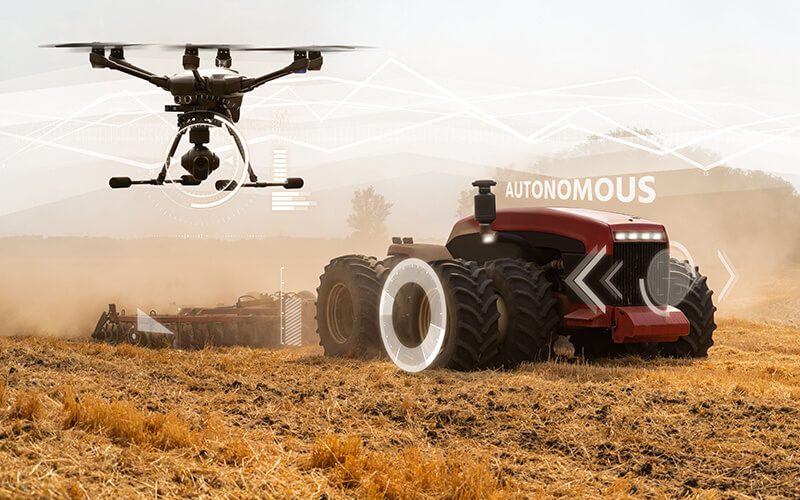
Precision farming, also known as precision agriculture, is a farming management concept that utilises technology to optimise crop yields and reduce waste. By employing tools such as GPS, sensors, drones, and data analytics, farmers can monitor and manage their fields with greater accuracy and efficiency.
The Benefits of Precision Farming
Precision farming offers a range of benefits that contribute to sustainable agriculture:
- Resource Efficiency: By precisely targeting inputs such as water, fertilisers, and pesticides, farmers can reduce waste and minimise environmental impact.
- Increased Yields: Monitoring crop health and growth allows farmers to make timely interventions that optimise yields and overall productivity.
- Cost Savings: By using resources more efficiently and effectively, farmers can reduce costs associated with inputs and labour.
- Environmental Sustainability: Precision farming practices help minimise the use of chemicals and reduce pollution, promoting a more sustainable agricultural ecosystem.
The Future of Sustainable Agriculture
As the global agricultural landscape evolves, precision farming will play an increasingly vital role in ensuring food security while protecting the environment. By embracing technology and data-driven approaches, farmers can achieve greater sustainability in their practices.
In conclusion, precision farming offers a pathway towards sustainable agriculture by maximising resource efficiency, enhancing productivity, reducing costs, and promoting environmental stewardship. As we look towards the future of food production, integrating precision farming practices will be essential in building a more sustainable agricultural sector.
Maximising Sustainability: The 8 Key Benefits of Precision Farming in Agriculture
- Enhanced resource efficiency through precise targeting of inputs.
- Improved crop yields and productivity by monitoring crop health and growth.
- Cost savings by reducing wastage of resources such as water, fertilisers, and pesticides.
- Minimised environmental impact through reduced use of chemicals and pollution.
- Optimised field management leading to better decision-making for farmers.
- Increased profitability due to higher yields and lower production costs.
- Promotion of sustainable farming practices for long-term environmental benefits.
- Integration of technology for more accurate and efficient agricultural operations.
Challenges of Precision Farming for Sustainable Agriculture: Investment, Complexity, Privacy, and Technology Dependency
Enhanced resource efficiency through precise targeting of inputs.
Enhanced resource efficiency through precise targeting of inputs is a key advantage of precision farming for promoting sustainable agriculture. By utilising technology such as GPS, sensors, and data analytics, farmers can accurately deliver water, fertilisers, and pesticides to specific areas of their fields where they are needed most. This targeted approach minimises waste, reduces environmental impact, and optimises resource usage, ultimately leading to higher crop yields and cost savings. Precision farming allows farmers to make informed decisions based on real-time data, ensuring that resources are applied efficiently and effectively, contributing to a more sustainable agricultural ecosystem.
Improved crop yields and productivity by monitoring crop health and growth.
Precision farming offers a significant advantage in sustainable agriculture through the improved crop yields and productivity achieved by closely monitoring crop health and growth. By utilising advanced technologies such as sensors and data analytics, farmers can gather real-time information about their crops, enabling them to make informed decisions to optimise growth conditions. This proactive approach not only enhances the overall quality of the crops but also boosts yields, contributing to a more efficient and sustainable agricultural system.
Cost savings by reducing wastage of resources such as water, fertilisers, and pesticides.
Precision farming offers a significant advantage in promoting sustainable agriculture through cost savings achieved by minimising wastage of essential resources like water, fertilisers, and pesticides. By precisely targeting the application of these inputs based on real-time data and field conditions, farmers can optimise their usage, resulting in reduced waste and lower operational costs. This efficient resource management not only benefits the farmer’s bottom line but also contributes to environmental sustainability by minimising excess chemical runoff and preserving water quality.
Minimised environmental impact through reduced use of chemicals and pollution.
Precision farming plays a crucial role in promoting sustainable agriculture by minimising environmental impact through the reduced use of chemicals and pollution. By precisely targeting inputs such as fertilisers and pesticides, farmers can apply them only where and when needed, thereby decreasing the overall amount used. This targeted approach not only helps in conserving resources but also mitigates the risk of chemical runoff into water bodies, soil contamination, and air pollution. Ultimately, by adopting precision farming practices, farmers can contribute to a healthier ecosystem and a more sustainable agricultural future.
Optimised field management leading to better decision-making for farmers.
Optimised field management through precision farming empowers farmers to make informed decisions based on accurate data and real-time insights. By leveraging technology and data analytics, farmers can monitor various aspects of their fields, such as soil health, crop growth, and environmental conditions, with precision. This enables them to identify issues early, adjust practices accordingly, and ultimately improve crop yields and resource efficiency. With better decision-making capabilities driven by optimised field management, farmers can enhance sustainability in agriculture by maximising productivity while minimising environmental impact.
Increased profitability due to higher yields and lower production costs.
Precision farming offers a significant advantage in terms of increased profitability for sustainable agriculture. By leveraging technology to achieve higher yields and lower production costs, farmers can enhance their financial returns while promoting environmental sustainability. The precision management of resources allows for optimal crop growth and health, leading to improved productivity and overall profitability. Additionally, the reduction in waste and more efficient use of inputs results in cost savings, further boosting the economic viability of agricultural operations. This combination of higher yields and lower production costs demonstrates how precision farming can drive profitability within a framework of sustainable agricultural practices.
Promotion of sustainable farming practices for long-term environmental benefits.
Precision farming promotes sustainable farming practices for long-term environmental benefits by enabling farmers to make informed decisions based on real-time data and precise monitoring. Through the use of advanced technologies such as sensors and drones, farmers can accurately assess soil health, crop conditions, and water usage, allowing them to implement targeted interventions that reduce environmental impact. By adopting precision farming techniques, farmers can cultivate healthier crops, minimise resource wastage, and mitigate pollution, ultimately contributing to the preservation of natural ecosystems and ensuring a more sustainable agricultural future for generations to come.
Integration of technology for more accurate and efficient agricultural operations.
The integration of technology in precision farming revolutionises agricultural operations by offering more accurate and efficient practices. By leveraging tools such as GPS, sensors, drones, and data analytics, farmers can monitor their fields with precision, leading to targeted interventions that optimise resource usage. This technological integration not only enhances productivity but also reduces waste, making agricultural operations more sustainable and environmentally friendly.
High Initial Investment
Implementing precision farming technologies can present a notable challenge for small-scale farmers due to the high initial investment involved. The cost of acquiring and implementing advanced tools such as GPS systems, sensors, and drones can be prohibitive for farmers with limited financial resources. This barrier to entry may hinder smaller operations from adopting precision farming practices, potentially widening the technological gap between large-scale and small-scale farms. Addressing the issue of high initial investment is crucial to ensure that all farmers have equal opportunities to benefit from the sustainability and efficiency gains offered by precision agriculture.
Complexity and Training
Precision farming systems can present a significant challenge in terms of complexity and training, which can hinder widespread adoption among farmers. The intricate setup and operation of precision farming technologies demand specialised knowledge and training that may not be readily available to all farmers. This gap in expertise can create barriers for those looking to implement sustainable practices through precision farming, highlighting the need for accessible training programmes and support mechanisms to ensure that farmers of all backgrounds can leverage the benefits of this innovative approach to agriculture.
Data Privacy Concerns
The con of data privacy concerns in precision farming for sustainable agriculture highlights the potential risks associated with the collection and utilisation of data. As farmers increasingly rely on technology to monitor and manage their fields, there is a growing need to address issues surrounding privacy and data security. The sensitive nature of agricultural data, including crop yields, soil conditions, and farming practices, raises questions about who has access to this information and how it is being used. Ensuring robust data protection measures and transparent policies will be essential to mitigate these concerns and build trust within the agricultural community.
Dependency on Technology
Dependency on Technology is a significant con of precision farming for sustainable agriculture. Relying heavily on technology for farm management can leave farmers vulnerable to disruptions such as technical failures or cyberattacks. In the event of a system malfunction or a cyber breach, farmers may face challenges in monitoring and managing their fields effectively, potentially impacting crop yields and overall productivity. This dependency underscores the importance of implementing robust cybersecurity measures and backup plans to mitigate risks associated with overreliance on technology in precision farming practices.