
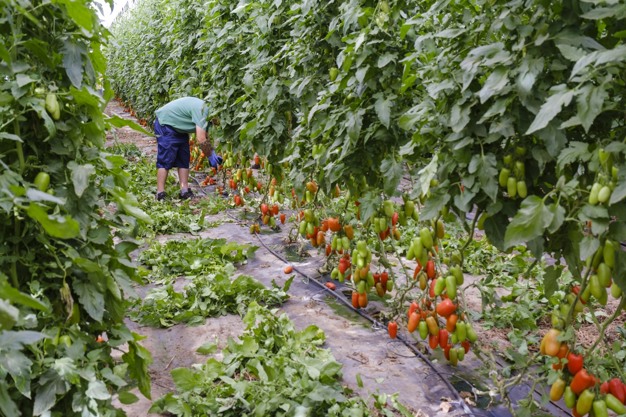
The Benefits of Sustainable Greenhouse Farming
Sustainable greenhouse farming is becoming increasingly popular as a method of growing crops in an environmentally friendly and efficient way. By utilising controlled environments within greenhouses, farmers can optimise crop production while minimising negative impacts on the environment. Here are some key benefits of sustainable greenhouse farming:
Water Conservation
Greenhouse farming allows for precise control over irrigation systems, reducing water wastage compared to traditional open-field farming. By using techniques such as drip irrigation and water recycling, greenhouse farmers can conserve water resources and ensure optimal hydration for their crops.
Energy Efficiency
Modern greenhouses are designed to maximise energy efficiency through features like insulated walls, energy-efficient lighting systems, and climate control technology. By using renewable energy sources such as solar power, greenhouse farmers can reduce their carbon footprint and lower operating costs.
Pest and Disease Management
Greenhouses provide a barrier against pests and diseases, reducing the need for chemical pesticides and fungicides. Integrated pest management techniques can be implemented more effectively in a controlled environment, promoting natural pest control methods and minimising chemical inputs.
Year-Round Production
With the ability to regulate temperature, humidity, and light levels, greenhouse farming enables year-round crop production regardless of external weather conditions. This consistent supply of fresh produce helps meet consumer demand while reducing reliance on imported goods.
Enhanced Crop Quality
The controlled environment of greenhouses allows farmers to optimise growing conditions for specific crops, resulting in higher quality produce with better taste, texture, and nutritional value. This quality assurance can lead to increased market competitiveness and consumer satisfaction.
In conclusion, sustainable greenhouse farming offers numerous benefits for both farmers and the environment. By adopting eco-friendly practices and harnessing technological advancements, greenhouse farmers can contribute to a more sustainable food system while ensuring long-term agricultural viability.
Six Essential Tips for Sustainable Greenhouse Farming Practices
- Use renewable energy sources, such as solar panels, to power the greenhouse.
- Implement water-saving techniques like drip irrigation to reduce water wastage.
- Compost organic waste from the greenhouse to create nutrient-rich soil for crops.
- Introduce beneficial insects for natural pest control instead of relying on chemical pesticides.
- Rotate crops regularly to maintain soil fertility and prevent disease buildup.
- Invest in energy-efficient heating and cooling systems to reduce greenhouse gas emissions.
Use renewable energy sources, such as solar panels, to power the greenhouse.
Utilising renewable energy sources, such as solar panels, to power greenhouses is a key tip for sustainable greenhouse farming. By harnessing the sun’s energy to generate electricity, greenhouse farmers can reduce their reliance on non-renewable resources and lower their carbon footprint. Solar panels provide a clean and sustainable power source that can help offset energy costs and promote environmental conservation. Implementing solar technology in greenhouses not only contributes to a more eco-friendly operation but also demonstrates a commitment to sustainable practices in agriculture.
Implement water-saving techniques like drip irrigation to reduce water wastage.
Implementing water-saving techniques such as drip irrigation in sustainable greenhouse farming is crucial for reducing water wastage and promoting efficient resource management. By delivering water directly to the roots of plants in controlled amounts, drip irrigation minimises evaporation and runoff, ensuring that crops receive adequate hydration while conserving precious water resources. This method not only helps farmers optimise water usage but also contributes to environmental sustainability by mitigating the impact of agriculture on water scarcity.
Compost organic waste from the greenhouse to create nutrient-rich soil for crops.
Composting organic waste from the greenhouse to create nutrient-rich soil for crops is a sustainable practice that promotes circularity within the farming ecosystem. By recycling organic materials such as plant debris and food scraps, greenhouse farmers can reduce waste sent to landfills and instead transform it into a valuable resource. The resulting compost enriches the soil with essential nutrients, improves soil structure, and enhances crop growth without the need for synthetic fertilisers. This closed-loop approach not only benefits crop productivity but also contributes to environmental conservation by minimising greenhouse gas emissions and promoting soil health for long-term sustainability.
Introduce beneficial insects for natural pest control instead of relying on chemical pesticides.
Introducing beneficial insects for natural pest control is a sustainable practice in greenhouse farming that helps reduce reliance on chemical pesticides. By encouraging the presence of predator insects like ladybirds or lacewings, farmers can effectively manage pest populations in a natural and eco-friendly way. These beneficial insects prey on harmful pests, maintaining a balanced ecosystem within the greenhouse without the need for harmful chemicals. This approach not only protects crops from damage but also promotes biodiversity and long-term environmental health in agricultural systems.
Rotate crops regularly to maintain soil fertility and prevent disease buildup.
To maintain soil fertility and prevent the buildup of diseases in sustainable greenhouse farming, it is essential to rotate crops regularly. Crop rotation involves changing the types of crops grown in specific areas over time. This practice helps replenish soil nutrients, reduce pest populations, and break disease cycles. By rotating crops, farmers can improve soil health, enhance crop yields, and promote overall sustainability within their greenhouse operations.
Invest in energy-efficient heating and cooling systems to reduce greenhouse gas emissions.
Investing in energy-efficient heating and cooling systems is a crucial tip for sustainable greenhouse farming. By implementing technologies that minimise energy consumption and greenhouse gas emissions, farmers can significantly reduce their environmental impact while maintaining optimal growing conditions for crops. Energy-efficient systems not only help lower operating costs but also contribute to a more sustainable agricultural practice that aligns with eco-friendly principles. By prioritising the use of renewable energy sources and innovative climate control solutions, greenhouse farmers can enhance both the productivity of their crops and the overall sustainability of their operations.