
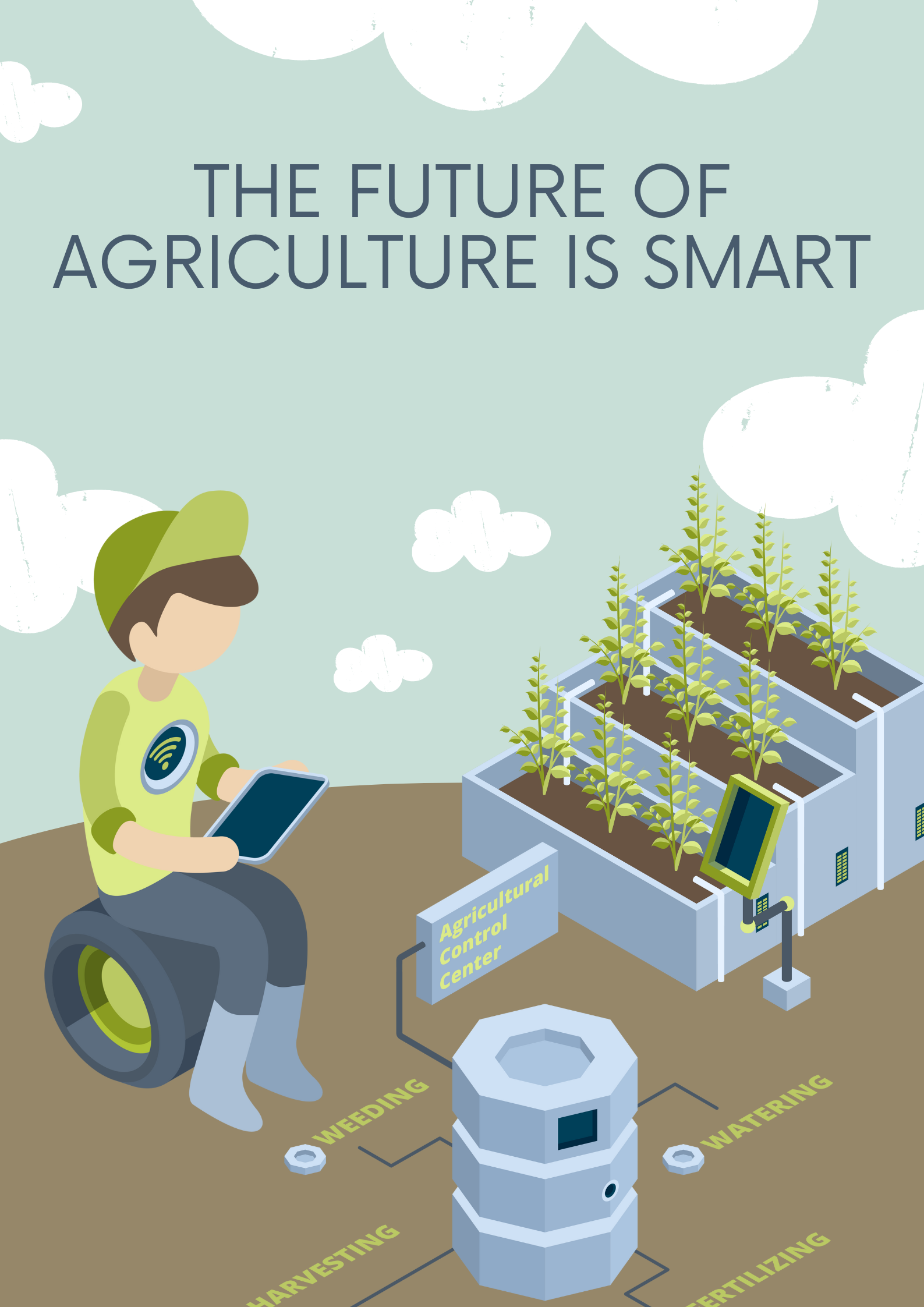
Smart Farming: The Future of Agriculture
In recent years, the agricultural industry has been undergoing a transformative shift towards smart farming practices. Smart farming, also known as precision agriculture, involves the use of technology and data-driven solutions to optimise crop production, enhance efficiency, and minimise environmental impact.
One of the key components of smart farming is the integration of Internet of Things (IoT) devices and sensors in agricultural operations. These devices collect real-time data on various factors such as soil moisture levels, temperature, and crop health. By analysing this data, farmers can make informed decisions to improve crop yields and resource management.
Furthermore, automation plays a crucial role in smart farming. Automated machinery and robotic systems are used for tasks such as planting, irrigation, fertilisation, and harvesting. This not only reduces labour costs but also ensures precise and timely execution of farm activities.
The adoption of drones in agriculture has also revolutionised farming practices. Drones equipped with cameras and sensors can monitor crops from above, providing valuable insights into plant health and identifying areas that require attention. This enables farmers to detect issues early on and take corrective actions promptly.
Another significant aspect of smart farming is data analytics. By harnessing the power of big data and artificial intelligence, farmers can gain valuable insights into trends, patterns, and predictive models for better decision-making. This allows for more efficient resource allocation and improved overall farm management.
Smart farming not only enhances productivity but also promotes sustainability in agriculture. By optimising resource use, minimising waste, and reducing environmental impact, smart farming practices contribute to a more sustainable future for food production.
In conclusion, smart farming represents the future of agriculture by leveraging technology to revolutionise traditional farming methods. As we continue to embrace innovation and digitalisation in agriculture, we pave the way for a more efficient, sustainable, and productive industry that meets the challenges of tomorrow.
Smart Farming: Six Essential Strategies for Future-Proofing Agriculture
- Implement precision agriculture techniques to maximise crop yields and reduce resource wastage.
- Utilise IoT devices and sensors to monitor crops, soil conditions, and livestock health in real-time.
- Embrace automation technologies such as drones and robots for efficient farm management.
- Adopt data analytics tools to make informed decisions based on accurate agricultural data.
- Invest in sustainable practices like vertical farming and hydroponics to optimise land use.
- Explore the potential of AI and machine learning for predictive analysis and improved decision-making.
Implement precision agriculture techniques to maximise crop yields and reduce resource wastage.
Implementing precision agriculture techniques is a crucial step towards shaping the future of agriculture. By utilising advanced technologies and data-driven solutions, farmers can optimise crop yields while minimising resource wastage. Precision agriculture allows for targeted and precise application of resources such as water, fertilisers, and pesticides based on real-time data analysis. This not only enhances productivity but also promotes sustainable farming practices by reducing environmental impact. Embracing precision agriculture is key to ensuring efficient resource management and achieving long-term success in modern agricultural operations.
Utilise IoT devices and sensors to monitor crops, soil conditions, and livestock health in real-time.
By utilising IoT devices and sensors to monitor crops, soil conditions, and livestock health in real-time, farmers can gain valuable insights into their agricultural operations. These technologies provide up-to-date data on crucial factors such as moisture levels, nutrient content, and animal well-being, enabling farmers to make informed decisions promptly. By leveraging the power of real-time monitoring, farmers can optimise resource allocation, detect issues early on, and ultimately enhance crop yields and livestock productivity. This integration of technology not only improves efficiency but also plays a vital role in shaping the future of agriculture towards smarter and more sustainable practices.
Embrace automation technologies such as drones and robots for efficient farm management.
Embracing automation technologies like drones and robots is a crucial step towards achieving efficient farm management in the realm of smart farming. By integrating these advanced tools into agricultural practices, farmers can streamline operations, enhance precision in tasks such as planting and harvesting, and ultimately boost productivity. Drones provide valuable aerial data for crop monitoring, while robots can automate repetitive tasks, reducing labour costs and ensuring optimal resource utilisation. Embracing these technologies not only improves efficiency but also sets the stage for a more sustainable and technologically advanced future of agriculture.
Adopt data analytics tools to make informed decisions based on accurate agricultural data.
Adopting data analytics tools in smart farming is a crucial step towards ensuring the future of agriculture. By utilising these tools to analyse accurate agricultural data, farmers can make informed decisions that are backed by real-time insights and trends. This enables them to optimise resource allocation, improve crop management practices, and ultimately enhance overall farm productivity and sustainability. Embracing data analytics not only empowers farmers to respond proactively to challenges but also paves the way for a more efficient and effective agricultural industry that is well-equipped to meet the demands of tomorrow.
Invest in sustainable practices like vertical farming and hydroponics to optimise land use.
Investing in sustainable practices such as vertical farming and hydroponics is a key tip for embracing the future of agriculture through smart farming. These innovative methods allow farmers to maximise land use efficiency by growing crops vertically or without soil. Vertical farming utilises stacked layers to cultivate plants indoors, optimising space and resources, while hydroponics involves growing plants in nutrient-rich water solutions. By adopting these sustainable practices, farmers can significantly increase crop yields, conserve water, reduce environmental impact, and contribute to a more efficient and productive agricultural sector for the future.
Explore the potential of AI and machine learning for predictive analysis and improved decision-making.
Exploring the potential of AI and machine learning in smart farming can significantly enhance predictive analysis and decision-making processes. By leveraging these advanced technologies, farmers can analyse vast amounts of data to identify patterns and trends that were previously undetectable. This allows for more accurate forecasting of weather conditions, pest infestations, and crop yields. With improved predictive capabilities, farmers can make informed decisions about planting schedules, resource allocation, and risk management. Ultimately, the integration of AI and machine learning into agriculture not only boosts efficiency but also contributes to more sustainable farming practices by optimising inputs and reducing waste.