
The Intersection of Precision Agriculture and Sustainability
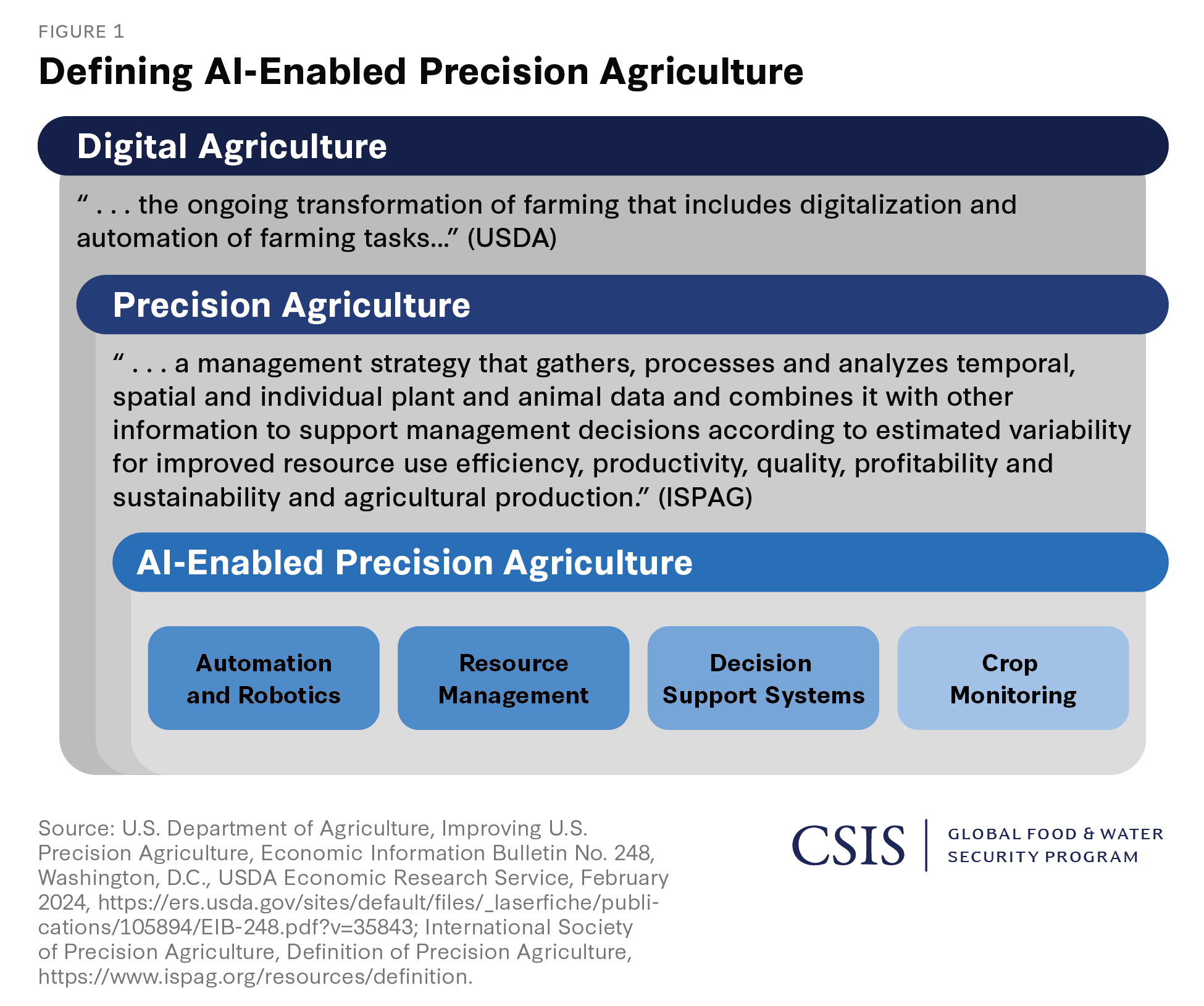
Precision agriculture, also known as precision farming or precision ag, is a modern approach to farming that utilises technology to optimise crop yields while minimising resources. At its core, precision agriculture aims to make farming more efficient, sustainable, and environmentally friendly.
One of the key principles of precision agriculture is the use of data-driven decision-making. Farmers collect data through various technologies such as GPS, sensors, drones, and satellite imagery to monitor and manage their crops more effectively. By analysing this data, farmers can precisely tailor their actions, such as irrigation, fertilisation, and pest control, to meet the specific needs of their crops.
By using precision agriculture techniques, farmers can reduce waste by applying inputs only where and when they are needed. This targeted approach not only increases efficiency but also minimises the environmental impact of farming practices. For example, by accurately applying fertilisers and pesticides only where necessary, farmers can prevent excess chemicals from leaching into the soil or waterways.
Furthermore, precision agriculture plays a crucial role in promoting sustainability in farming. By optimising resource use and minimising waste, precision agriculture helps farmers operate in a more sustainable manner. Sustainable farming practices not only benefit the environment but also contribute to long-term food security by preserving natural resources for future generations.
In conclusion, the integration of precision agriculture and sustainability represents a significant step forward in modern farming practices. By harnessing technology to make informed decisions and reduce environmental impact, farmers can achieve higher yields while protecting the planet. As we look towards a more sustainable future for agriculture, precision agriculture stands out as a promising solution to feed a growing population while safeguarding our natural resources.
Enhancing Sustainable Farming: Six Precision Agriculture Tips for Optimising Resources and Promoting Biodiversity
- Utilise precision agriculture technologies to optimise resource use.
- Implement soil and crop monitoring to improve decision-making.
- Adopt integrated pest management practices for sustainable crop protection.
- Use data analytics to enhance productivity and reduce environmental impact.
- Promote biodiversity on farmlands to support ecosystem resilience.
- Invest in renewable energy sources for sustainable farming operations.
Utilise precision agriculture technologies to optimise resource use.
By utilising precision agriculture technologies to optimise resource use, farmers can significantly enhance the efficiency and sustainability of their farming practices. Through the precise application of inputs such as water, fertilisers, and pesticides based on real-time data and analysis, farmers can reduce waste and minimise environmental impact. This targeted approach not only improves crop yields but also helps conserve resources for future generations, making a positive contribution to both agricultural productivity and sustainability.
Implement soil and crop monitoring to improve decision-making.
Implementing soil and crop monitoring is a valuable tip in the realm of precision agriculture and sustainability. By regularly monitoring the condition of the soil and the health of crops through advanced technologies such as sensors and drones, farmers can gather crucial data to make informed decisions. This data-driven approach allows farmers to adjust their practices, such as irrigation and fertilisation, based on real-time information, leading to more efficient resource use and improved crop yields. By integrating soil and crop monitoring into their operations, farmers can enhance their decision-making processes, promote sustainability, and contribute to the overall success of their agricultural endeavours.
Adopt integrated pest management practices for sustainable crop protection.
Adopting integrated pest management practices is a crucial tip in precision agriculture to ensure sustainable crop protection. By implementing a holistic approach that combines various strategies such as biological control, crop rotation, and targeted pesticide application, farmers can effectively manage pests while minimising environmental impact. Integrated pest management not only helps reduce reliance on chemical pesticides but also promotes biodiversity and ecosystem health in agricultural landscapes. By integrating these sustainable practices into precision agriculture techniques, farmers can protect their crops in an environmentally friendly manner, contributing to long-term sustainability in farming.
Use data analytics to enhance productivity and reduce environmental impact.
Utilising data analytics in precision agriculture can significantly improve productivity while simultaneously reducing the environmental impact of farming practices. By analysing data collected from various sources such as sensors, drones, and satellite imagery, farmers can make informed decisions on resource management, crop health monitoring, and pest control. This targeted approach allows farmers to optimise their operations, ensuring that inputs like water, fertilisers, and pesticides are applied efficiently and only where necessary. As a result, the use of data analytics in precision agriculture not only boosts productivity but also minimises waste and environmental harm, paving the way for a more sustainable future in farming.
Promote biodiversity on farmlands to support ecosystem resilience.
Promoting biodiversity on farmlands is a crucial tip in the realm of precision agriculture and sustainability. By cultivating diverse plant species and creating habitats for beneficial insects and wildlife, farmers can enhance ecosystem resilience. Biodiversity not only helps to maintain a balanced ecosystem but also improves soil health, natural pest control, and pollination services. Incorporating biodiversity into farming practices not only supports the environment but also contributes to the long-term sustainability of agricultural operations by fostering a more resilient and productive ecosystem.
Invest in renewable energy sources for sustainable farming operations.
Investing in renewable energy sources is a crucial tip for enhancing sustainability in precision agriculture. By incorporating solar panels, wind turbines, or other renewable energy technologies into farming operations, farmers can reduce their reliance on fossil fuels and decrease their carbon footprint. Renewable energy not only helps to power the precision agriculture equipment efficiently but also contributes to a more environmentally friendly farming approach. By harnessing clean energy sources, farmers can lower operating costs, mitigate climate change impacts, and move towards a more sustainable future for agriculture.