
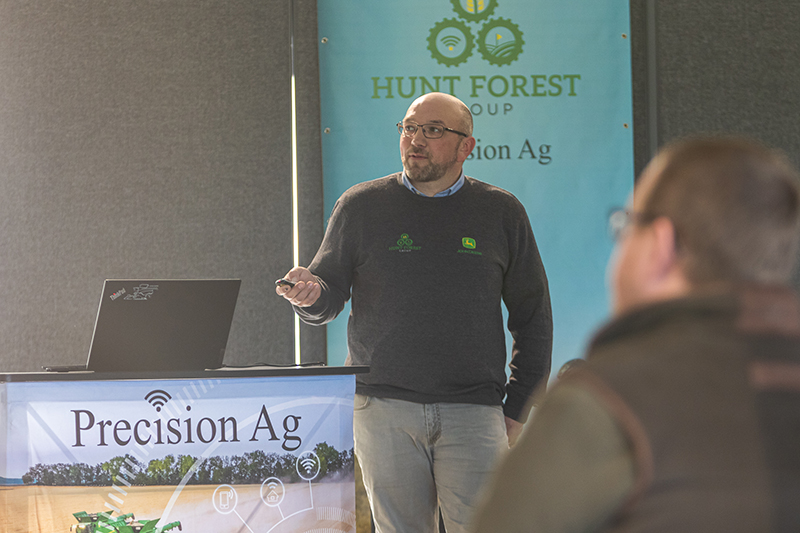
The Future of Agriculture: Precision Ag Training
In today’s rapidly evolving agricultural landscape, precision agriculture has emerged as a game-changer. By harnessing the power of technology and data analytics, farmers can optimise their operations, increase productivity, and reduce environmental impact. At the heart of this revolution lies precision ag training.
What is Precision Ag Training?
Precision ag training involves equipping farmers with the knowledge and skills to leverage cutting-edge technologies in their farming practices. From GPS-guided tractors to drones and sensors, these tools enable farmers to make data-driven decisions that enhance efficiency and sustainability.
The Benefits of Precision Ag Training
One of the key benefits of precision ag training is improved resource management. By precisely targeting inputs such as water, fertilisers, and pesticides, farmers can reduce waste and lower costs. This not only benefits the environment but also boosts profitability.
Enhancing Crop Yields
Through precision ag training, farmers can gather real-time data on soil conditions, crop health, and weather patterns. This information allows them to tailor their farming practices to maximise crop yields. By identifying areas that require attention and adjusting interventions accordingly, farmers can achieve optimal results.
Sustainability in Agriculture
Another crucial aspect of precision ag training is its contribution to sustainability. By minimising inputs and reducing environmental impact, precision agriculture promotes long-term viability in farming practices. This is essential for preserving natural resources and ensuring food security for future generations.
Joining the Precision Ag Revolution
As the agricultural industry continues to embrace technology and innovation, precision ag training has become indispensable for modern farmers. By investing in education and upskilling programmes focused on precision agriculture, farmers can stay ahead of the curve and unlock new opportunities for growth.
In conclusion, precision ag training holds the key to transforming agriculture into a more efficient, sustainable, and productive industry. By embracing this paradigm shift and adopting advanced technologies, farmers can pave the way for a brighter future in farming.
Maximising Crop Yields and Sustainability: Six Benefits of Precision Agriculture Training
- Enhances crop yields through data-driven decision-making
- Improves resource efficiency by targeting inputs more accurately
- Reduces environmental impact by minimising waste and pollution
- Enhances farm profitability by lowering costs and increasing productivity
- Promotes sustainable farming practices for long-term viability
- Empowers farmers with cutting-edge technology and skills
Challenges of Precision Agriculture Training: Costs, Complexity, and Connectivity Concerns
- Initial cost of implementing precision ag technology can be high, making it financially challenging for some farmers.
- Complexity of technology may require extensive training and technical support, leading to additional expenses.
- Reliance on data connectivity and internet access may pose challenges in remote or rural farming areas with poor infrastructure.
- Vulnerability to cyber threats and data breaches could compromise sensitive information collected through precision ag systems.
- Compatibility issues between different brands and types of precision ag equipment may hinder seamless integration and operation.
- Dependence on technology may reduce farmers’ hands-on skills and traditional agricultural knowledge, potentially impacting overall resilience.
Enhances crop yields through data-driven decision-making
Precision ag training offers a significant advantage by enhancing crop yields through data-driven decision-making. By leveraging real-time data on soil conditions, crop health, and environmental factors, farmers can make informed choices that optimise their farming practices. This targeted approach allows farmers to identify areas for improvement and adjust their strategies accordingly, ultimately leading to increased productivity and higher crop yields.
Improves resource efficiency by targeting inputs more accurately
Precision ag training offers a significant advantage by enhancing resource efficiency through precise input targeting. By leveraging advanced technologies and data analytics, farmers can accurately identify the specific areas that require inputs such as water, fertilisers, and pesticides. This targeted approach not only minimises waste but also ensures that resources are utilised optimally, leading to cost savings and environmental benefits. Ultimately, improving resource efficiency through precision ag training helps farmers achieve higher productivity while reducing their ecological footprint.
Reduces environmental impact by minimising waste and pollution
Precision ag training offers a significant advantage by reducing environmental impact through the minimisation of waste and pollution. By precisely targeting inputs such as water, fertilisers, and pesticides, farmers can optimise their resource usage, leading to a more sustainable farming practice. This approach not only helps in conserving natural resources but also plays a vital role in mitigating pollution levels, ultimately contributing to a healthier ecosystem for both present and future generations.
Enhances farm profitability by lowering costs and increasing productivity
Precision ag training offers a significant advantage to farmers by enhancing farm profitability through the reduction of costs and the increase in productivity. By leveraging advanced technologies and data-driven insights, farmers can optimise their operations to minimise wastage of resources such as water, fertilisers, and pesticides. This targeted approach not only lowers production expenses but also boosts efficiency, resulting in higher crop yields and overall profitability for the farm.
Promotes sustainable farming practices for long-term viability
Precision ag training plays a vital role in promoting sustainable farming practices for long-term viability. By leveraging advanced technologies and data-driven insights, farmers can optimise resource usage, minimise waste, and reduce environmental impact. This proactive approach not only ensures the health of the land and surrounding ecosystems but also contributes to the long-term sustainability of agricultural operations. Embracing precision ag training is essential for cultivating a harmonious balance between productivity and environmental stewardship, securing a prosperous future for both farmers and the planet.
Empowers farmers with cutting-edge technology and skills
Precision ag training empowers farmers with cutting-edge technology and skills, enabling them to harness the full potential of modern agricultural innovations. By providing farmers with the knowledge and tools to utilise advanced technologies such as GPS-guided systems, drones, and data analytics, precision ag training equips them to make informed decisions that drive efficiency, productivity, and sustainability in their farming practices. This proactive approach not only enhances farm operations but also positions farmers at the forefront of the agricultural industry’s technological revolution.
Initial cost of implementing precision ag technology can be high, making it financially challenging for some farmers.
The initial cost of implementing precision agriculture technology can pose a significant challenge for many farmers. The investment required to purchase and set up advanced tools such as GPS-guided systems, drones, and sensors can be substantial, deterring some farmers from adopting these technologies. This financial barrier may limit access to the benefits of precision ag training, hindering the ability of certain farmers to improve their efficiency and sustainability practices. As a result, addressing the affordability issue is crucial in ensuring that all farmers have equal opportunities to embrace precision agriculture and its advantages.
Complexity of technology may require extensive training and technical support, leading to additional expenses.
The complexity of technology associated with precision ag training can present a significant challenge for farmers. Implementing and utilising advanced tools such as GPS-guided systems and data analytics may require extensive training and technical support. This additional level of expertise can result in increased expenses for farmers, both in terms of training costs and ongoing technical assistance. The need for continuous learning and support to effectively leverage these technologies adds a layer of complexity that some farmers may find daunting and costly to manage.
Reliance on data connectivity and internet access may pose challenges in remote or rural farming areas with poor infrastructure.
In remote or rural farming areas with inadequate infrastructure, the reliance on data connectivity and internet access poses a significant challenge for precision ag training. Limited access to reliable internet services can hinder farmers’ ability to utilise technology-driven tools effectively, thereby restricting their capacity to make informed decisions based on real-time data. This digital divide underscores the importance of addressing connectivity issues to ensure that all farmers, regardless of their location, can benefit from the advancements in precision agriculture.
Vulnerability to cyber threats and data breaches could compromise sensitive information collected through precision ag systems.
The adoption of precision ag training comes with a significant drawback – the vulnerability to cyber threats and data breaches. As farmers increasingly rely on advanced technologies to collect sensitive information through precision ag systems, there is a heightened risk of this data being compromised. Cyberattacks could not only disrupt farming operations but also expose confidential data related to crop yields, soil health, and other critical aspects of agricultural management. Safeguarding against cyber threats is paramount to ensure the integrity and security of the valuable data generated by precision agriculture practices.
Compatibility issues between different brands and types of precision ag equipment may hinder seamless integration and operation.
Compatibility issues between different brands and types of precision ag equipment present a significant challenge in the adoption of precision ag training. The diverse range of technologies available in the market often leads to interoperability issues, making it difficult for farmers to seamlessly integrate and operate their equipment. This lack of standardisation can result in inefficiencies, increased complexity, and added costs as farmers navigate the complexities of using multiple systems that may not communicate effectively with each other. Addressing these compatibility issues is crucial to maximise the benefits of precision agriculture and ensure a smooth transition towards more sustainable and efficient farming practices.
Dependence on technology may reduce farmers’ hands-on skills and traditional agricultural knowledge, potentially impacting overall resilience.
Dependence on technology in precision ag training may inadvertently lead to a decline in farmers’ hands-on skills and traditional agricultural knowledge. While advanced tools and data analytics offer numerous benefits, relying solely on technology could diminish farmers’ practical experience and understanding of traditional farming practices. This over-reliance on tech-driven solutions may compromise farmers’ ability to adapt to unforeseen challenges and changes in the agricultural landscape, ultimately affecting their overall resilience in the face of adversity. Balancing technological advancements with preserving hands-on skills and traditional wisdom is crucial to ensure a holistic approach to sustainable farming practices.