
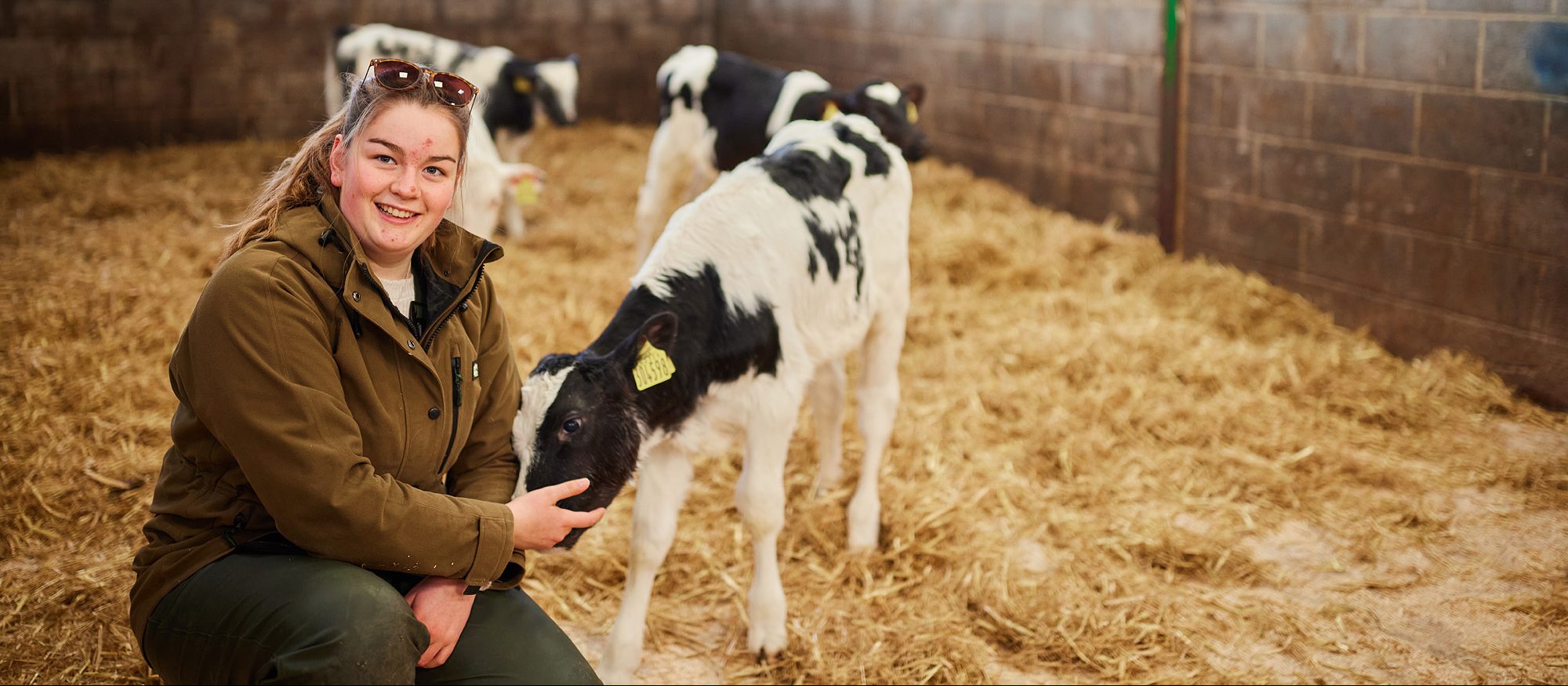
Livestock Management Courses: Enhancing Skills and Knowledge
Proper livestock management is essential for the success of any farm or agricultural operation. Livestock owners need to have a solid understanding of animal care, nutrition, breeding, health management, and sustainable farming practices to ensure the well-being of their animals and the profitability of their business.
For individuals looking to enhance their skills and knowledge in livestock management, enrolling in specialised courses can be highly beneficial. Livestock management courses cover a wide range of topics related to animal husbandry and farm management, providing participants with valuable insights and practical experience.
Benefits of Livestock Management Courses
By taking livestock management courses, farmers and aspiring agriculturists can:
- Learn best practices for animal welfare and handling
- Understand principles of nutrition and feeding for different livestock species
- Gain knowledge about breeding techniques and genetics
- Acquire skills in disease prevention, diagnosis, and treatment
- Explore sustainable farming methods for improved productivity and environmental conservation
- Enhance business management skills for effective farm operation
Types of Livestock Management Courses
Livestock management courses are offered in various formats, including:
- Short-term workshops or seminars focusing on specific aspects of livestock care
- Certificate programmes covering fundamental principles of animal husbandry
- Diploma courses providing in-depth knowledge on advanced topics such as breeding strategies or farm economics
- Degree programmes in agriculture or animal science with specialisations in livestock management
Whether you are a seasoned farmer looking to expand your expertise or a newcomer interested in starting a career in agriculture, there is a livestock management course suited to your needs.
Conclusion
Investing time and effort in improving your livestock management skills through structured courses can lead to better outcomes for your farm operation. By staying informed about the latest industry trends and adopting best practices in animal care, you can enhance the health and productivity of your livestock while ensuring the sustainability of your agricultural enterprise.
Essential Tips for Selecting the Right Livestock Management Course in the UK
- Choose a reputable institution for your livestock management course.
- Ensure the course covers topics such as animal health, nutrition, and welfare.
- Look for practical hands-on experience opportunities in the course.
- Consider courses that offer specialisations in specific types of livestock.
- Check if the course includes business management aspects relevant to livestock farming.
- Seek courses that provide networking opportunities with industry professionals.
- Research the job prospects and career paths associated with completing the course.
- Make sure to balance theoretical knowledge with practical skills development in the course.
- Stay updated on advancements and trends in livestock management through continuous learning.
Choose a reputable institution for your livestock management course.
When considering enrolling in a livestock management course, it is crucial to select a reputable institution that offers quality education and practical training. Opting for a recognised and respected provider ensures that you receive valuable insights from experienced instructors and access to up-to-date resources. By choosing a reputable institution for your livestock management course, you can enhance your skills and knowledge effectively, setting a strong foundation for successful animal husbandry practices in the future.
Ensure the course covers topics such as animal health, nutrition, and welfare.
When considering livestock management courses, it is crucial to ensure that the chosen programme covers essential topics such as animal health, nutrition, and welfare. A comprehensive understanding of these key areas is fundamental to successful livestock management practices. Courses that delve into animal health enable participants to learn about disease prevention, diagnosis, and treatment strategies, ensuring the well-being of the animals under their care. Additionally, knowledge of nutrition principles equips individuals with the skills to provide balanced diets tailored to different livestock species, promoting optimal growth and productivity. Finally, a focus on animal welfare emphasises the importance of ethical treatment and care practices, fostering healthy and sustainable relationships between farmers and their livestock. By prioritising these topics in livestock management courses, participants can develop a holistic approach to caring for their animals while maximising farm productivity.
Look for practical hands-on experience opportunities in the course.
When considering livestock management courses, it is advisable to seek out programmes that offer practical hands-on experience opportunities. Engaging in practical learning experiences allows participants to apply theoretical knowledge in real-life farm settings, gaining valuable skills and confidence in animal care and farm management practices. By actively participating in hands-on activities such as animal handling, feeding, and health assessments, individuals can enhance their understanding of livestock management concepts and develop practical skills that are essential for success in the agricultural industry.
Consider courses that offer specialisations in specific types of livestock.
When exploring livestock management courses, it is advisable to consider options that provide specialisations in specific types of livestock. These specialised courses focus on the unique care, breeding, and management practices relevant to particular animal species, such as cattle, poultry, sheep, or pigs. By choosing a course tailored to the type of livestock you work with or intend to raise, you can gain in-depth knowledge and practical skills that are directly applicable to your farming operation. Specialised courses offer valuable insights into the specific needs and challenges associated with different types of livestock, enabling you to enhance your expertise and maximise the productivity and well-being of your animals.
Check if the course includes business management aspects relevant to livestock farming.
It is crucial to consider whether the livestock management course you are interested in includes business management components that are specifically tailored to the needs of livestock farming. Understanding key aspects of farm economics, financial planning, marketing strategies, and risk management is essential for running a successful livestock operation. By ensuring that the course covers these business management aspects, participants can develop a well-rounded skill set that not only focuses on animal care but also on the sustainable and profitable management of their farming enterprise.
Seek courses that provide networking opportunities with industry professionals.
When considering livestock management courses, it is advisable to seek out programmes that offer networking opportunities with industry professionals. Connecting with experienced individuals in the field can provide valuable insights, mentorship, and potential collaborations. By interacting with industry experts, participants can gain practical knowledge, expand their professional network, and stay updated on the latest trends and practices in livestock management. Networking opportunities can enhance the learning experience and open doors to new possibilities in the agricultural sector.
Research the job prospects and career paths associated with completing the course.
Before enrolling in a livestock management course, it is advisable to research the job prospects and career paths that may become available upon completion. Understanding the demand for skilled livestock managers in the agricultural industry and exploring potential career opportunities can help individuals make informed decisions about their educational journey. By assessing the market needs and identifying areas of growth within the sector, aspiring livestock managers can align their training with relevant skills that will enhance their employability and set them on a path towards a successful career in animal husbandry.
Make sure to balance theoretical knowledge with practical skills development in the course.
It is crucial to strike a balance between theoretical knowledge and practical skills development when undertaking livestock management courses. While understanding the principles and concepts behind animal care and farm management is essential, hands-on experience plays a vital role in honing one’s abilities. By combining theoretical learning with practical application, participants can gain a comprehensive understanding of livestock management practices and develop the necessary skills to effectively care for their animals and run a successful farm operation.
Stay updated on advancements and trends in livestock management through continuous learning.
Staying updated on advancements and trends in livestock management is crucial for ensuring the success and sustainability of your farm. By engaging in continuous learning, such as attending workshops, seminars, and enrolling in specialised courses, you can stay informed about the latest practices and technologies in animal husbandry. This proactive approach allows you to adapt to changing industry dynamics, implement innovative solutions on your farm, and ultimately improve the health and productivity of your livestock.