
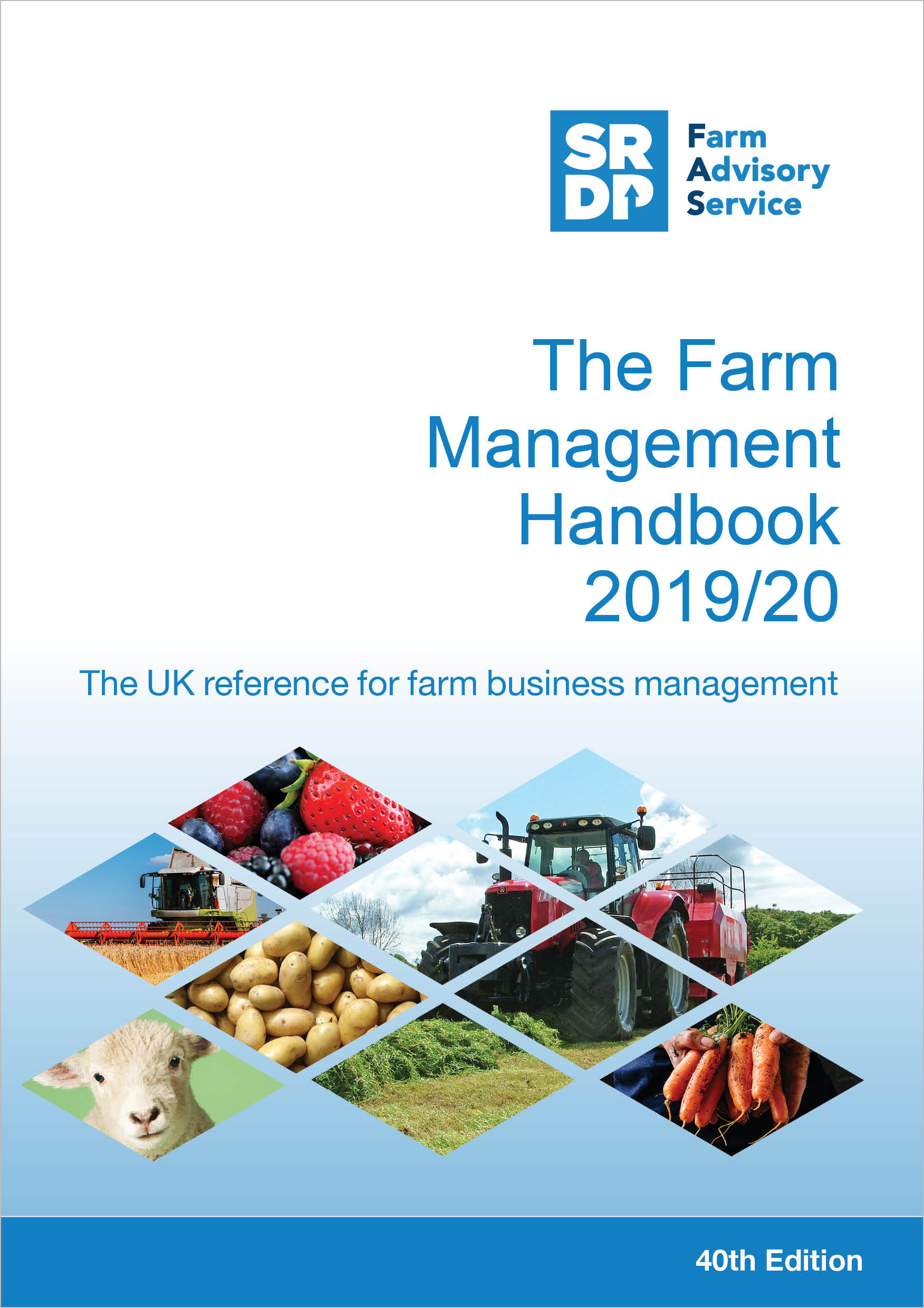
The Importance of Farm Management Courses
Farm management courses play a crucial role in equipping individuals with the knowledge and skills needed to effectively run agricultural operations. Whether you are a seasoned farmer looking to enhance your management abilities or someone new to the field seeking a comprehensive understanding of farm practices, these courses offer valuable insights and practical training.
Key Benefits of Farm Management Courses:
- Enhanced Efficiency: By learning about best practices in farm management, participants can streamline their operations, optimise resources, and improve overall efficiency.
- Financial Management: Understanding financial principles specific to agriculture is essential for making informed decisions and maximising profitability.
- Sustainable Practices: Courses often cover topics such as sustainable farming methods, environmental conservation, and resource management to promote long-term sustainability.
- Risk Mitigation: Participants learn how to identify and mitigate risks associated with farming, including market fluctuations, weather conditions, and regulatory changes.
- Technological Advancements: Keeping up-to-date with the latest technologies in agriculture is vital for improving productivity and staying competitive in the industry.
Who Can Benefit from Farm Management Courses?
Farm management courses are suitable for a wide range of individuals, including:
- New farmers seeking foundational knowledge in agricultural business management.
- Experienced farmers looking to expand their skills and stay current with industry trends.
- Agricultural professionals interested in advancing their careers or transitioning into farm management roles.
- Entrepreneurs considering starting their own agricultural ventures and requiring guidance on effective farm management practices.
Overall, farm management courses provide a valuable opportunity for individuals involved in agriculture to enhance their expertise, improve operational efficiency, and contribute to the sustainable development of the farming sector.
Top 5 Benefits of Farm Management Courses: Boosting Efficiency, Financial Skills, and Sustainability
- Enhanced operational efficiency
- Improved financial management skills
- Promotion of sustainable farming practices
- Better risk assessment and mitigation abilities
- Exposure to the latest agricultural technologies
Challenges of Farm Management Courses: Financial, Time, Accessibility, and Practicality Concerns
- Costly tuition fees may pose a financial barrier for some individuals, especially small-scale farmers or those with limited resources.
- Time commitment required for farm management courses may be challenging for participants who have existing farm responsibilities or other commitments.
- Limited availability of specialised courses in certain regions may restrict access to comprehensive farm management education.
- Theoretical nature of some courses may not fully prepare participants for the practical challenges and nuances encountered in real-world farming operations.
Enhanced operational efficiency
Enhanced operational efficiency is a key advantage of farm management courses. By gaining insights into best practices and strategies for managing agricultural operations, participants can streamline processes, optimise resource allocation, and improve overall productivity. Understanding how to efficiently plan and execute tasks on the farm not only saves time and resources but also contributes to increased profitability and sustainability. Farm management courses equip individuals with the knowledge and skills needed to make informed decisions that enhance operational efficiency and drive success in the agricultural sector.
Improved financial management skills
Farm management courses offer a significant advantage by enhancing participants’ financial management skills within the agricultural sector. By gaining a deeper understanding of financial principles specific to farming, individuals can make informed decisions regarding budgeting, investment, and risk assessment. Improved financial management skills enable farmers to optimise resource allocation, increase profitability, and navigate economic challenges more effectively. This proficiency not only benefits individual farm operations but also contributes to the overall sustainability and success of the agricultural industry.
Promotion of sustainable farming practices
Farm management courses play a pivotal role in promoting sustainable farming practices within the agricultural sector. By focusing on concepts such as environmental conservation, resource management, and organic farming techniques, these courses equip participants with the knowledge and skills necessary to cultivate crops and raise livestock in an eco-friendly and responsible manner. Emphasising sustainability not only benefits the environment but also contributes to long-term viability and profitability for farmers by reducing input costs, minimising waste, and enhancing soil health. Through the promotion of sustainable farming practices, farm management courses empower individuals to make informed decisions that support both the planet and their agricultural enterprises.
Better risk assessment and mitigation abilities
Farm management courses offer participants the invaluable benefit of developing better risk assessment and mitigation abilities. By gaining a deeper understanding of the various risks inherent in agricultural operations, individuals can proactively identify potential challenges and implement strategies to minimise their impact. Through targeted training in risk management techniques, such as diversification, insurance options, and contingency planning, farmers can enhance their resilience against unforeseen events and make more informed decisions to safeguard their businesses. This proficiency in risk assessment and mitigation not only helps protect farm assets but also contributes to long-term sustainability and success in the agricultural industry.
Exposure to the latest agricultural technologies
Farm management courses offer participants valuable exposure to the latest agricultural technologies, providing them with insights into cutting-edge tools and techniques that can revolutionise farming practices. By staying informed about technological advancements in agriculture, individuals can enhance productivity, efficiency, and sustainability on their farms. Understanding how to effectively integrate and utilise these technologies can lead to improved crop yields, resource management, and overall farm operations. This pro of farm management courses equips participants with the knowledge and skills needed to adapt to a rapidly evolving agricultural landscape and stay competitive in the industry.
Costly tuition fees may pose a financial barrier for some individuals, especially small-scale farmers or those with limited resources.
Costly tuition fees associated with farm management courses can present a significant financial challenge for certain individuals, particularly small-scale farmers or those with limited resources. The high cost of enrolling in such courses may act as a deterrent for aspiring farmers who wish to enhance their skills but are unable to afford the fees. This financial barrier could potentially limit access to valuable knowledge and training opportunities, ultimately hindering the professional development and growth of individuals within the agricultural sector who would benefit from farm management education.
Time commitment required for farm management courses may be challenging for participants who have existing farm responsibilities or other commitments.
The time commitment required for farm management courses can pose a significant challenge for participants who already have existing farm responsibilities or other commitments. Balancing the demands of running a farm with attending classes, completing assignments, and participating in practical training sessions can be daunting. This dilemma may deter individuals from enrolling in such courses, as they must carefully consider how to allocate their time effectively between their current obligations and the demands of the course.
Limited availability of specialised courses in certain regions may restrict access to comprehensive farm management education.
The limited availability of specialised farm management courses in certain regions poses a significant challenge, as it may restrict access to comprehensive agricultural education for individuals in those areas. Without access to specific courses tailored to the unique needs and challenges of local farming practices, aspiring farmers and agricultural professionals may struggle to acquire the necessary skills and knowledge to effectively manage their operations. This lack of educational opportunities can hinder the development of sustainable farming practices and innovative techniques within these regions, ultimately impacting the overall growth and productivity of the agricultural sector. Efforts to address this con by expanding course offerings or implementing online learning platforms could help bridge the gap and ensure broader access to essential farm management education.
Theoretical nature of some courses may not fully prepare participants for the practical challenges and nuances encountered in real-world farming operations.
One significant drawback of farm management courses is that the theoretical nature of some programmes may not fully equip participants to handle the practical challenges and nuances encountered in real-world farming operations. While theoretical knowledge is essential, the hands-on experience and on-the-ground decision-making skills required in agriculture cannot always be adequately simulated in a classroom setting. As a result, participants may find themselves lacking the practical expertise needed to navigate the complexities of day-to-day farm management effectively.