
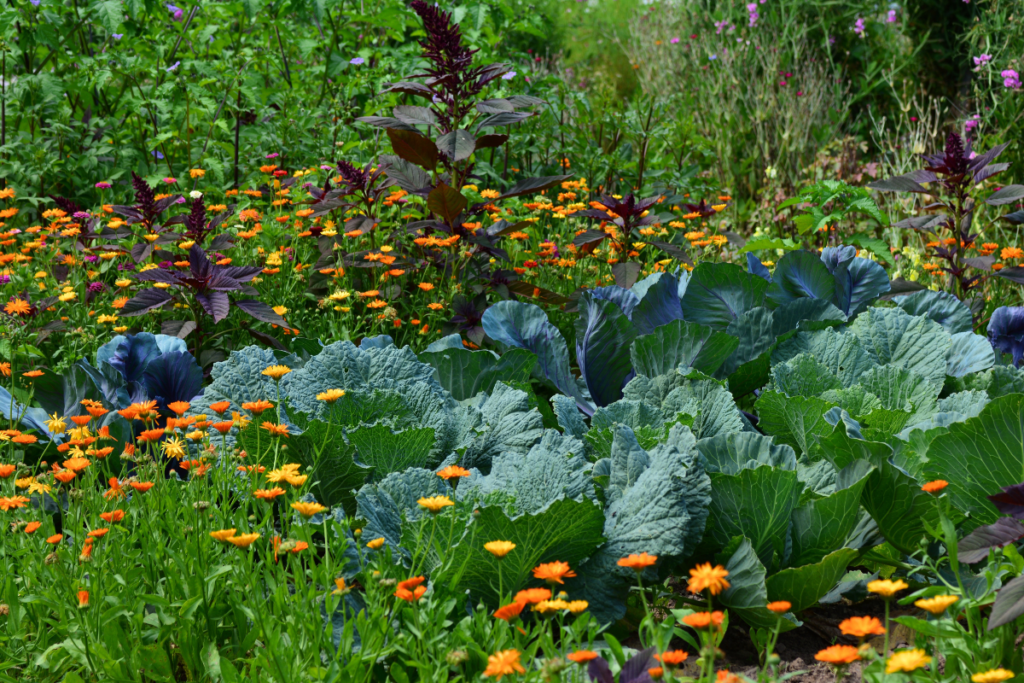
The Importance of Eco-Friendly Farming Practices
In recent years, the importance of eco-friendly farming practices has become increasingly evident as we strive to protect our environment and ensure sustainable food production for future generations. Eco-friendly farming, also known as sustainable agriculture, focuses on reducing the negative impact of farming activities on the environment while promoting efficient and ethical practices.
Benefits of Eco-Friendly Farming
One of the key benefits of eco-friendly farming practices is the preservation of natural resources. By using organic fertilisers, crop rotation, and integrated pest management techniques, farmers can maintain soil health and biodiversity without relying on harmful chemicals that can pollute water sources and harm wildlife.
Furthermore, eco-friendly farming helps reduce greenhouse gas emissions by minimising the use of synthetic fertilisers and pesticides that contribute to climate change. Sustainable agriculture also promotes water conservation through efficient irrigation methods and rainwater harvesting, ensuring that precious water resources are used responsibly.
Implementing Eco-Friendly Practices
There are several ways in which farmers can adopt eco-friendly practices on their farms. This includes using cover crops to prevent soil erosion, planting native species to support local wildlife, and implementing agroforestry systems to enhance biodiversity. Additionally, embracing renewable energy sources such as solar power can further reduce the carbon footprint of agricultural operations.
The Future of Agriculture
As we face growing challenges such as climate change and food insecurity, eco-friendly farming practices offer a sustainable solution for meeting the world’s food needs while safeguarding our planet’s health. By prioritising environmental stewardship and embracing innovative technologies, farmers can play a crucial role in shaping a more sustainable future for agriculture.
Joining the Movement
Whether you are a farmer looking to transition to more sustainable practices or a consumer seeking to support environmentally conscious agriculture, embracing eco-friendly farming is a step towards creating a healthier planet for all. Together, we can work towards a more sustainable food system that benefits both people and the environment.
Seven Sustainable Farming Practices for an Eco-Friendly Future
- Implement crop rotation to maintain soil fertility and reduce the need for chemical fertilizers.
- Use natural pest control methods such as introducing beneficial insects or using traps instead of chemical pesticides.
- Conserve water by employing drip irrigation systems and rainwater harvesting techniques.
- Practice agroforestry by planting trees alongside crops to improve biodiversity and soil health.
- Compost organic waste to create nutrient-rich fertiliser for your farm.
- Avoid monoculture farming by diversifying your crops to enhance ecosystem resilience.
- Minimise tillage practices to prevent soil erosion and preserve soil structure.
Implement crop rotation to maintain soil fertility and reduce the need for chemical fertilizers.
Implementing crop rotation is a valuable tip in eco-friendly farming practices as it helps maintain soil fertility and reduces the reliance on chemical fertilisers. By rotating crops seasonally, farmers can enhance soil health by replenishing essential nutrients and minimising nutrient depletion. This sustainable approach not only promotes biodiversity but also improves soil structure, water retention, and pest management. Ultimately, crop rotation is a simple yet effective method that contributes to the long-term sustainability of agricultural operations while minimising environmental impact.
Use natural pest control methods such as introducing beneficial insects or using traps instead of chemical pesticides.
Implementing natural pest control methods is a key aspect of eco-friendly farming practices. By utilising strategies like introducing beneficial insects or setting up traps instead of resorting to chemical pesticides, farmers can effectively manage pests while minimising harm to the environment. Encouraging a balance in the ecosystem, these methods help preserve biodiversity and protect beneficial insects, ultimately promoting a healthier and more sustainable farming environment.
Conserve water by employing drip irrigation systems and rainwater harvesting techniques.
To promote eco-friendly farming practices, farmers can conserve water by implementing drip irrigation systems and rainwater harvesting techniques. Drip irrigation delivers water directly to the plant roots, minimising wastage and promoting efficient water usage. By collecting rainwater through harvesting techniques, farmers can reduce their reliance on traditional water sources and ensure sustainable irrigation practices. These methods not only help preserve precious water resources but also contribute to the overall sustainability of agricultural operations.
Practice agroforestry by planting trees alongside crops to improve biodiversity and soil health.
By practising agroforestry and planting trees alongside crops, farmers can enhance biodiversity and improve soil health on their farms. This sustainable farming practice not only provides additional habitat for wildlife but also helps prevent soil erosion and promotes nutrient cycling. By integrating trees into agricultural landscapes, farmers can create a more resilient ecosystem that benefits both the environment and crop productivity.
Compost organic waste to create nutrient-rich fertiliser for your farm.
Composting organic waste to create nutrient-rich fertiliser is a valuable tip for promoting eco-friendly farming practices. By recycling organic materials such as food scraps, crop residues, and animal manure, farmers can reduce waste sent to landfills and instead harness their nutrient content to enrich the soil. This sustainable approach not only helps improve soil fertility but also minimises the need for synthetic fertilisers, thus reducing environmental impact and promoting a more circular agricultural system.
Avoid monoculture farming by diversifying your crops to enhance ecosystem resilience.
Diversifying crops is a crucial tip in eco-friendly farming practices as it helps enhance ecosystem resilience and sustainability. By avoiding monoculture farming and planting a variety of crops, farmers can promote biodiversity, improve soil health, and reduce the risk of crop failure due to pests or diseases. Diverse crops also support beneficial insects and pollinators, creating a more balanced ecosystem that is less reliant on synthetic inputs. Embracing crop diversity not only benefits the environment but also contributes to a more resilient and productive farm system in the long run.
Minimise tillage practices to prevent soil erosion and preserve soil structure.
Minimising tillage practices is a crucial tip in eco-friendly farming to prevent soil erosion and preserve soil structure. By reducing the frequency and intensity of tilling, farmers can maintain the integrity of the soil, retain moisture, and promote the growth of beneficial microorganisms. This approach helps to prevent soil erosion, which can lead to nutrient loss and decreased productivity. By adopting minimal tillage techniques, farmers can protect the long-term health of their land while contributing to sustainable agricultural practices that benefit both the environment and future generations.